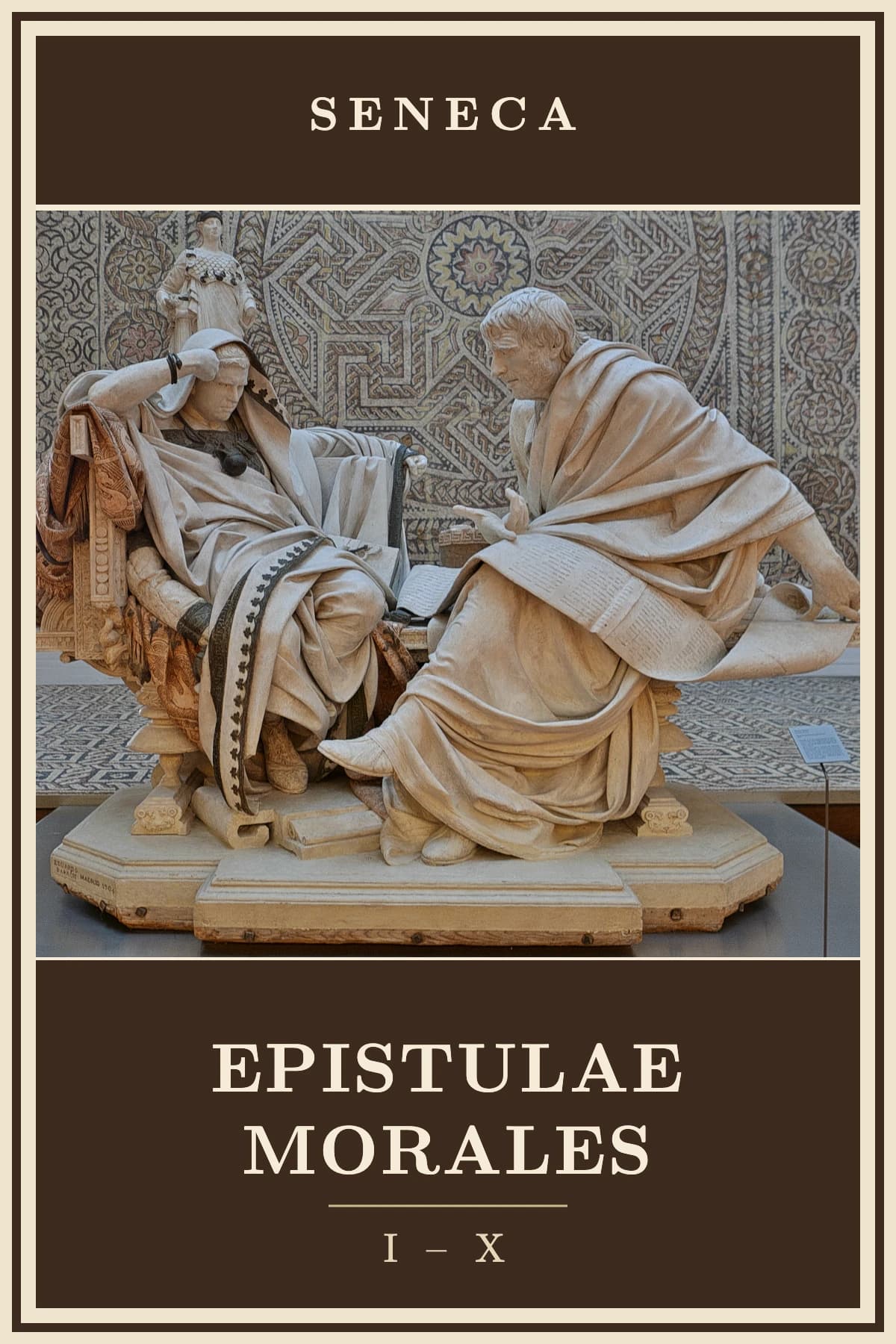
Seneca · Epistulae Morales 1.1
Tap a word — or show the glosses under every word.
Do this, my Lucilius: claim yourself for yourself, and gather and keep the time that until now was being taken from you, stolen from you, or simply slipping away.
Seneca’s first instruction is to reclaim yourself — and collect the time that has been taken, stolen, or allowed to fall away.
Why the letter form helps
Seneca’s Letters to Lucilius, one letter at a time.
A letter has a natural boundary. You can read one, stop, review, and return later without losing your place in a continuous narrative. Seneca also writes to a named addressee, Lucilius, which gives abstract claims a conversational frame.
How to read Seneca’s prose
How to read Seneca’s Latin prose.
Seneca creates force through compression and contrast rather than long periodic structure.
The “you” of the letter matters — this is addressed philosophy.
A term introduced casually can become the conceptual hinge of the paragraph.
The argument around a quotable sentence is often what gives it meaning.
More Seneca in the reader
More Seneca in Latin.
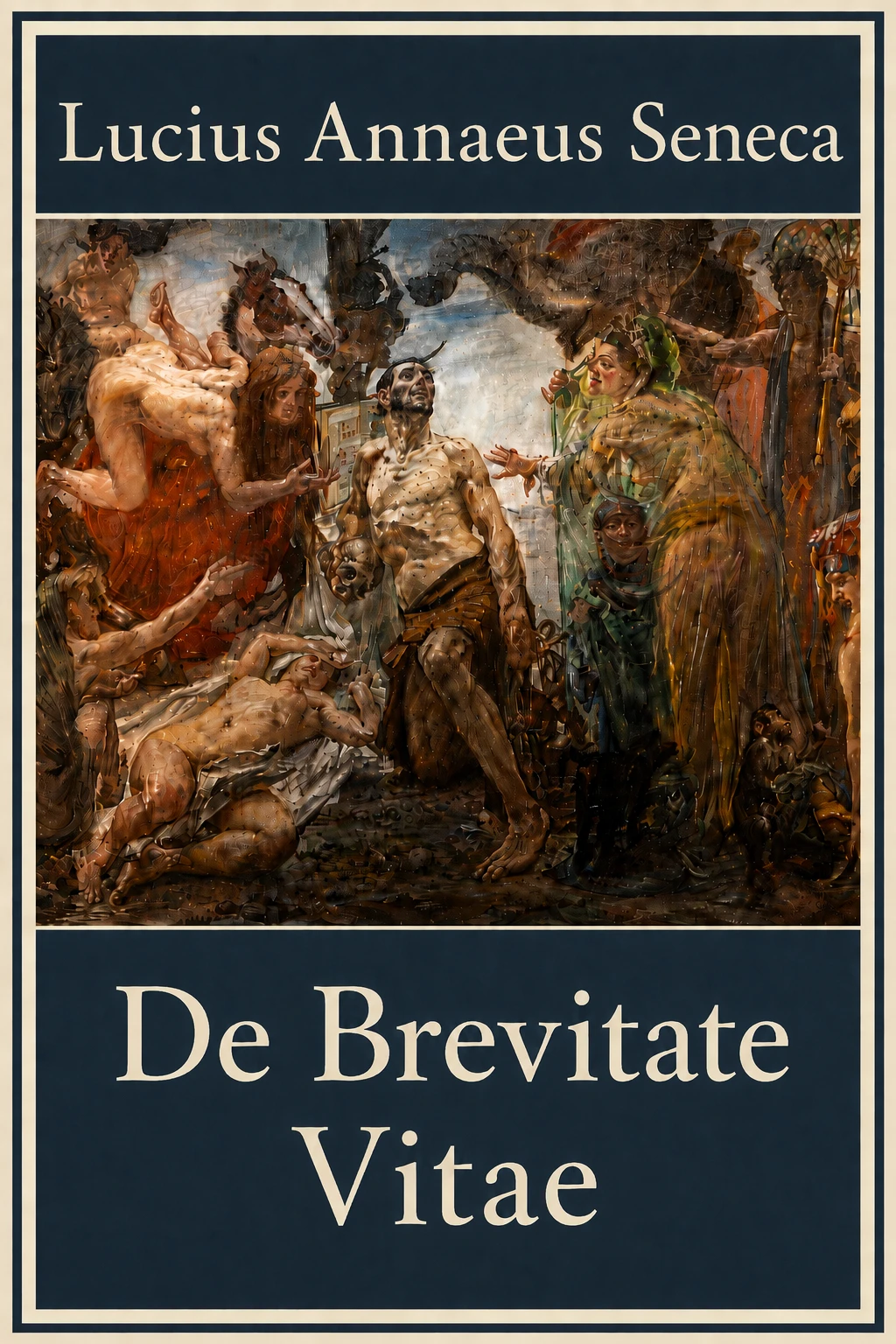
De Brevitate Vitae
Seneca develops a sustained argument about time, distraction, ambition, and the use of a life.
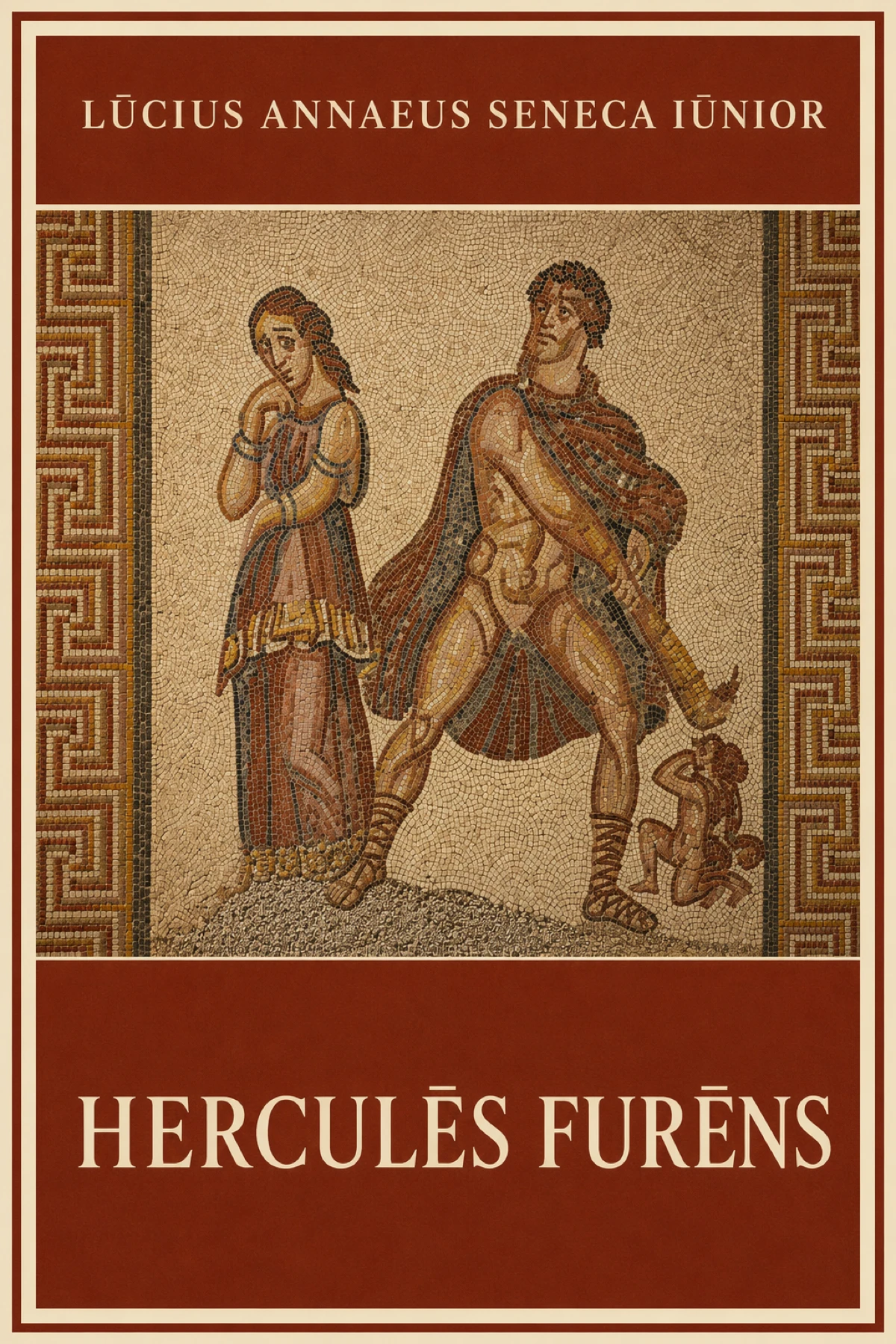
Hercules Furens
See the same author in a radically different form: mythological tragedy rather than moral correspondence.
Sources & further reading
- Perseus, Ad Lucilium Epistulae Morales, Letter 1 — Latin text of the opening
- Wikipedia, Epistulae Morales ad Lucilium — 124 letters in 20 books
- Penguin, Letters from a Stoic — selected and translated by Robin Campbell