01
Latin, read into life
From your first story
to the real thing.
Read Latin you can understand today. Tap any word when you need help, and Librorum Capsula learns what you know and guides you toward the authors you want to read.
132 works to exploreBeginner → literature Latin that grows with youTap any word help without leaving the text
Today's reading
Seneca · Epistula I
Tap a word — or reveal the translation.
tempustimenostrumours
The reading problem
You can study Latin for years without becoming comfortable reading it.
You learn endings, constructions, vocabulary, and how to work through difficult sentences. But reading fluently requires something else: spending time with Latin you can actually keep moving through.
Librorum Capsula is built around that reading.
The method
Reading is the lesson.
02
Get help
Tap a word when you need it without abandoning the sentence.03
Keep moving
As Librorum Capsula learns what you know, it can lead you toward more demanding Latin.Word help, done right
Not a dictionary. A reading.
Tap a word in most Latin tools and you get the whole dictionary entry — every sense the word has ever had, with no indication which one applies here. Librorum Capsula already read the sentence, so it tells you the one that’s actually true in this line, not a menu to sort through mid-thought.
Terence, Andria · Act II, Charinus to his slave Byrrhia
“Abīn hinc in malam rem cum suspīciōne istāc, scelus?”
Abīnwill you get awayhincfrom hereintomalambadremthingcumwithsuspīciōnesuspicionistāc,thatscelus?villain
in malam rem is a stock curse — literally “into a bad thing,” idiomatically “go to hell.” The gloss stays literal; the idiom is explained, not substituted.
A typical Latin lookup
cum
- with, along with
- at — a point in time
- –fold, with a number
- when, after · because, since · although
- when, while
Librorum Capsula
cum
“with”
Governs suspīciōne right after it, so this is the preposition — not the six other things cum can be. A cum two lines later gets its own answer, on its own terms.
Iter
Choose the author you want to reach.
Want to read Caesar? Seneca? Cicero? Choose a destination, and your Iter helps you find the reading that moves you toward it.
For example: an editorial route toward Eutropius
A library to grow into
Read something worth reading.
Stories, history, mythology, philosophy, comedy, travel, Christian Latin, and classical literature—from texts for new readers to the authors you ultimately want to read.
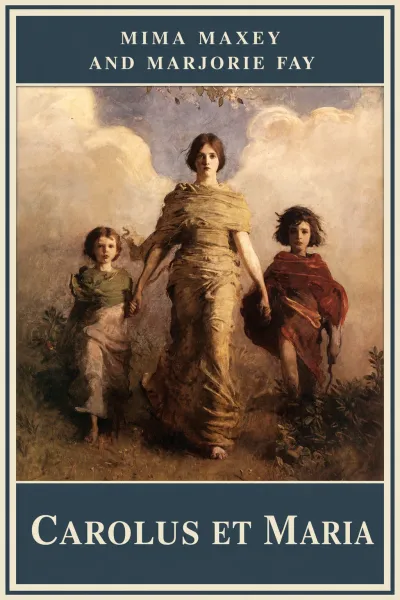
Beginner
Carolus et Maria
Family · School · Graded Level 1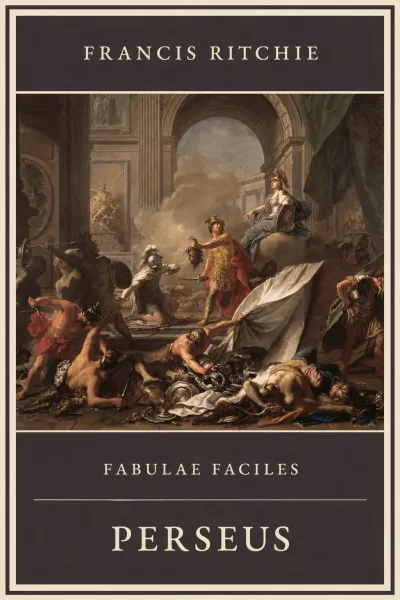
Beginner
Perseus
Mythology · Heroes · Adventure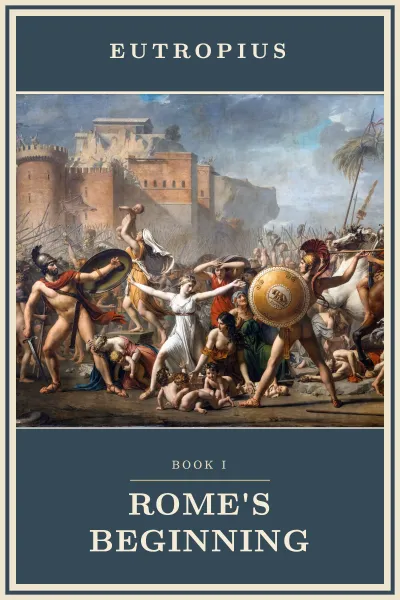
Intermediate · Literature
Breviarium: Liber I
Roman history · Kings · Early Republic · Target text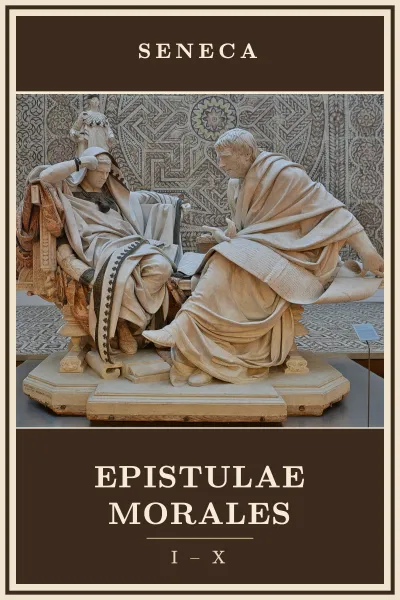
Intermediate · Literature
Epistulae Morales I-X
Stoicism · Letters · Epistulae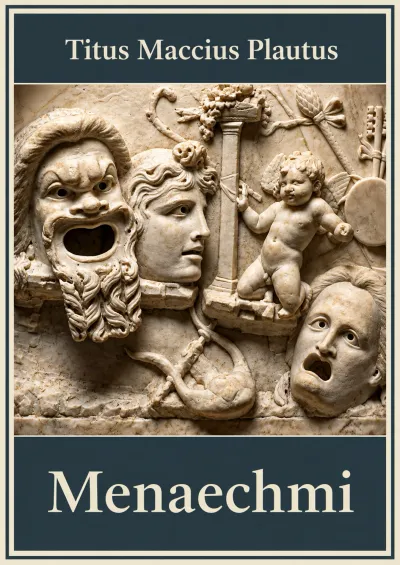
Intermediate · Literature
Menaechmi
Comedy · Drama · Roman culture · Humor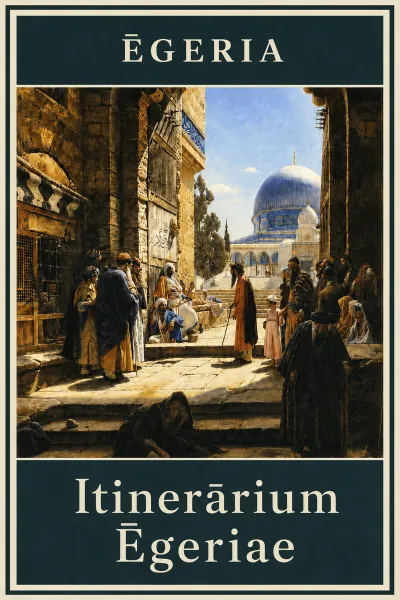
Intermediate · Literature
Itinerarium Egeriae
Travel · Christian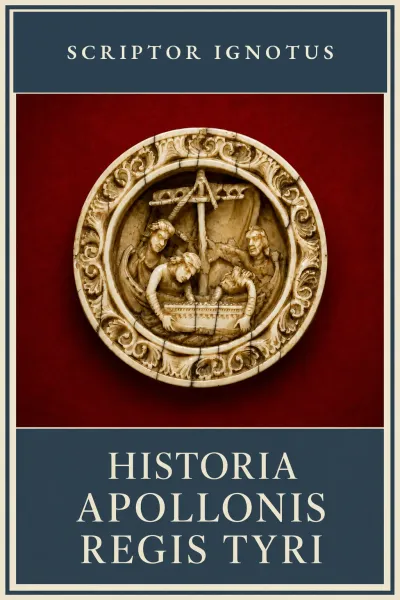
Intermediate · Literature
Historia Apollonii Regis Tyri
Adventure · Roman culture · Mythology · Travel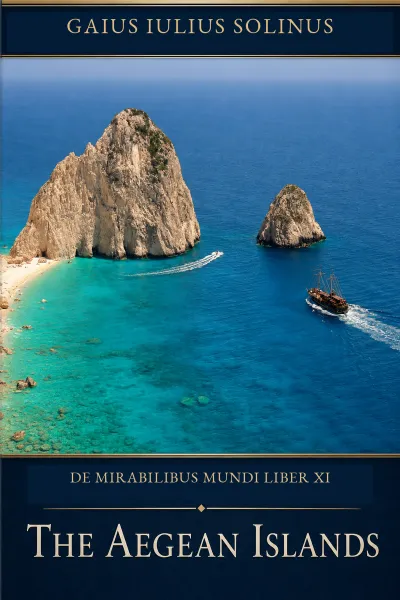
Intermediate · Literature
The Aegean Islands
Geography · Mythology · Roman culture · AnimalsChoose your entrance
Where should you begin?
I'm new to Latin
Start with Latin written to be understood from the beginning.
Read your first storyI've studied Latin
Build reading fluency and work toward the authors you want.
Find my starting pointI already read Latin
Explore real texts with help available whenever you want it.
Browse the libraryAround the reading
Everything you need stays with your reading.
These tools are there when they help, and quiet when they do not.
Notebook
Keep passages, notes, and personal review cards close to the texts that gave them meaning.
Practice
Return to saved material and recent reading through a focused practice session.
Progress
Pick up where you left off and keep a record of what you have read.
Your display
Choose a reading rhythm, theme, and whether to show macrons and diacritics.
The work behind the reading
Built for people who care about the Latin.
The reading stays primary. The details are available when they matter.
Latin at the center
Read original Latin texts with word-level help available in the sentence.
More than one Latin
The catalog includes Classical Latin alongside later, medieval, Neo-Latin, and modern teaching texts.
Source-aware cataloging
Catalog records carry author, era, and source notes for the texts they describe.
Corrections have a path
Reader passages include a way to report a possible error for review.
Read on your own terms
Start free. Go further when you're ready.
Free
$0
Free, no card required
- Browse the full library
- Free preview of every book
- Every free book, in full
- Saved progress, shelf & badges
- Unlimited notebook entries
Paid
$5.99 per month
or $49.99/year — save 30%
- Everything in Free
- Every book in the catalog, in full
- A personalized path to reading goals
- Cancel anytime
Questions, answered
A library for the Latin you want to read.
I've never studied Latin. Can I start here?
Yes. Start with the beginner route above, where your first story is built to help you begin reading from your very first sentence.
I finished a beginner course elsewhere (LLPSI, Wheelock). Where should I start?
Choose an author you want to reach and use the Iter to find a route from what you know now to the literature you want to read. If you finished Familia Romana specifically, see our guide to what to read next.
I already read Latin. Is this useful to me?
Yes. Alongside beginner readers, the catalog includes authentic literature from authors such as Caesar, Cicero, Plautus, Seneca, and Tacitus.
Is this only Classical Latin?
No. The catalog includes Classical Latin, Late Antiquity, Neo-Latin, and modern Latin readers.
Do I have to read translations?
No. Latin stays at the center. Tap an individual word when you want help, and keep reading when you do not.
What happens when I tap a word?
A word panel opens with its gloss, dictionary form (lemma), and grammatical form, so you can get the help you need without leaving the passage.
What's free?
You can browse the whole library and try a free preview of every book, no account required. Create a free account to read every free book in full, save progress, build a shelf, keep unlimited notebook entries, and earn badges. A paid subscription unlocks every other book in the library in full.
Is this a course or a library?
Both, and self-directed. Use the Iter when you want a structured route, or browse the library and follow your curiosity.