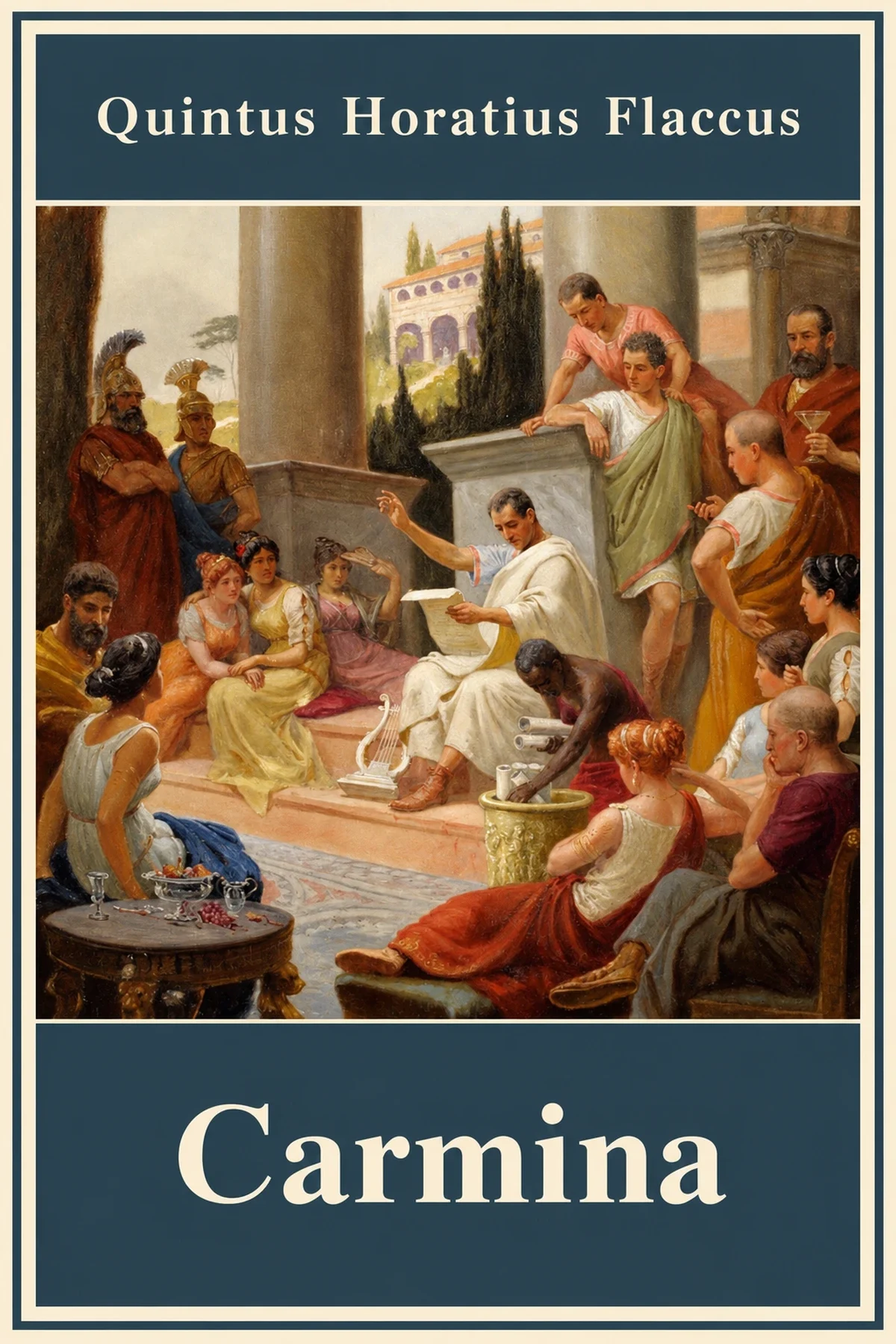
“Carpe diem” comes from the last line of Horace’s Odes 1.11, a short poem addressed to a woman named Leuconoë. It is part of a longer sentence, and the sentence begins with a warning about time: while we speak, envious time will already have fled. It ends carpe diem quam minimum crēdula posterō.
Carpe is an imperative, a command, and diem is what it acts on. The poem itself begins with another command, a prohibition: Tū nē quaesierīs, “do not ask”. Both sentences are below, with every word glossed.
Try it
Horace · Odes 1.11
Tap a word — or reveal the translation.
carpeseizediemthe day