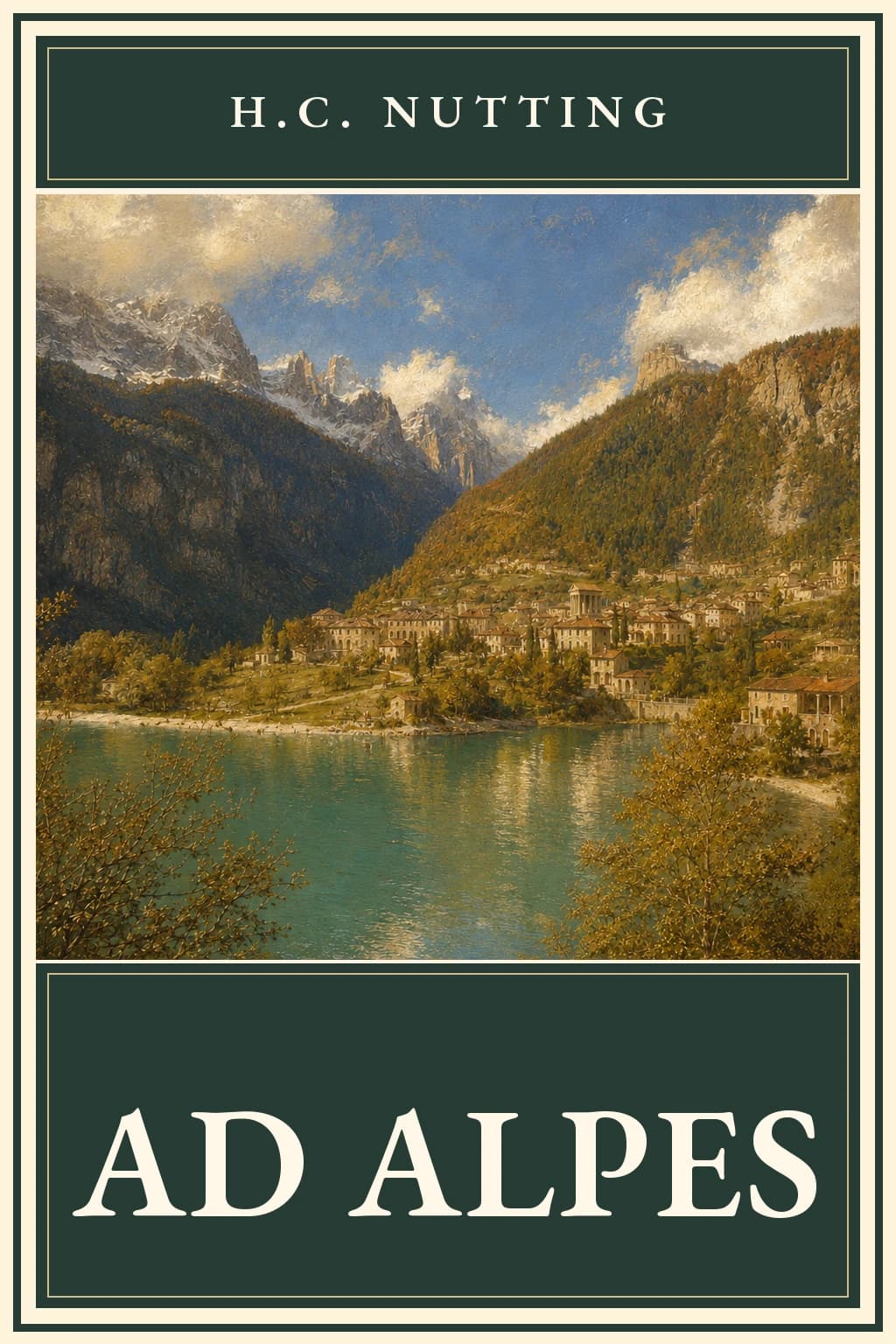
The gap Ad Alpes fills
The jump from a course to real Latin is where most readers stall.
Course books control your Latin carefully: a few new words at a time, grammar in the order you learned it. Real authors don’t. The first real text you try is too hard to enjoy and too long to finish.
Ad Alpes was written for that jump. The story around the tales stays readable, so you keep moving, while the tales themselves bring in the vocabulary, longer sentences and material you will meet in Livy, Plautus, Pliny and Horace. Chapter by chapter, the Latin grows closer to the authors’.
On Librorum Capsula’s 1–11 difficulty scale the book as a whole scores 4.4 (Intermediate). It starts at 3.4, easier than the last chapter of Familia Romana (4.7), and climbs to 5.8, the territory of the easier real authors.
- Septimus (a first reader): 3.4
- Ad Alpes, first chapters: 3.4
- Ad Alpes, the book as a whole: 4.4
- Familia Romana, Chapter XXXV (the last chapter): 4.7
- Historia Apollonii Regis Tyri: 4.9
- Eutropius, Breviarium I: 5.2
- Pliny, the haunted house (7.27): 5.6
- Ad Alpes, hardest passages: 5.8
What it is
Ad Alpes: A Tale of Roman Life.
Ad Alpēs means “to the Alps”. After five years abroad, the Roman Cornelius sails home with his wife Drusilla and their children Publius, Sextus, Cornelia and little Lucius. From the ship to Brundisium, then up the Appian Way to Rome and north to the foot of the Alps, they meet people and tell each other stories.
- Chapters I–XII: at sea and ashore at Brundisium and Tarentum, with pirates, Roman history, myth and strange customs.
- XIII–XXIII: the Appian Way to Rome, past Capua, Caudium and Anxur. Caligula and Nero, Hannibal, a ghost, and the eruption of Vesuvius.
- XXIV–XXXI: on toward the Adriatic. Tales from Livy and the early Republic, brigands, Horace, and a famous ring.
- XXXII–XL: through Placentia to Comum and the foot of the Alps. Caesar, Orpheus, Aeneas, Pyramus and Thisbe, and Pliny.
Because it is one story, you keep turning pages to find out what happens next. That is the difference from collections of unconnected passages.
See the bridge for yourself
One ghost story, in easier Latin.
In Caput XVI, Publius scares his sister with a story he has just read in a letter of Pliny’s: the haunted house at Athens. Here is Nutting’s opening. Tap any word for its meaning, lemma and form:
Nutting · Ad Alpes, Caput XVI
Tap a word — or show the glosses under every word.
“Once,” said Publius, “there was a splendid house at Athens, but it had a bad name. People said that at night the clanking of chains could be heard inside, far off at first, then close by.”
Pliny’s own version tells the same story with the same key words, one step harder. Read the chapter, then read Pliny 7.27 in the original: that is the bridge working.
In the reader
The complete book, chapters I–XL.
The reader has the complete book, chapters I–XL, from the 1927 Scott, Foresman printing, about 35,600 words, with the plates from the printed book. Long vowels are marked throughout, and every word has a definition, lemma and form. Chapters I–XII were collated against a scan of the printed book; the rest come from the same transcription and were not collated against page images.
When you finish Ad Alpes
Historia Apollonii Regis Tyri in Latin → · What to read after Familia Romana →
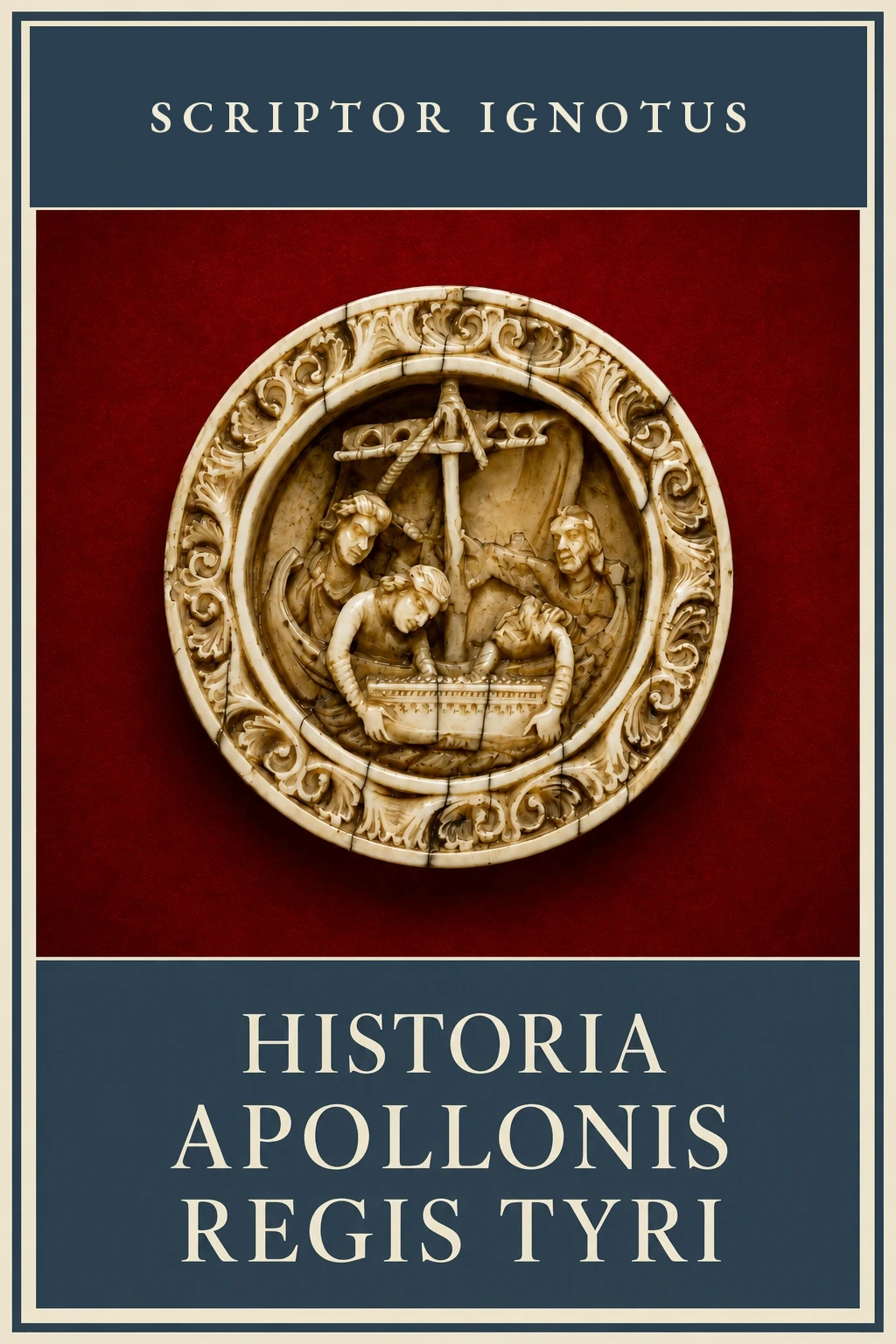
Historia Apollonii Regis Tyri
An anonymous ancient adventure novel in direct narrative Latin.
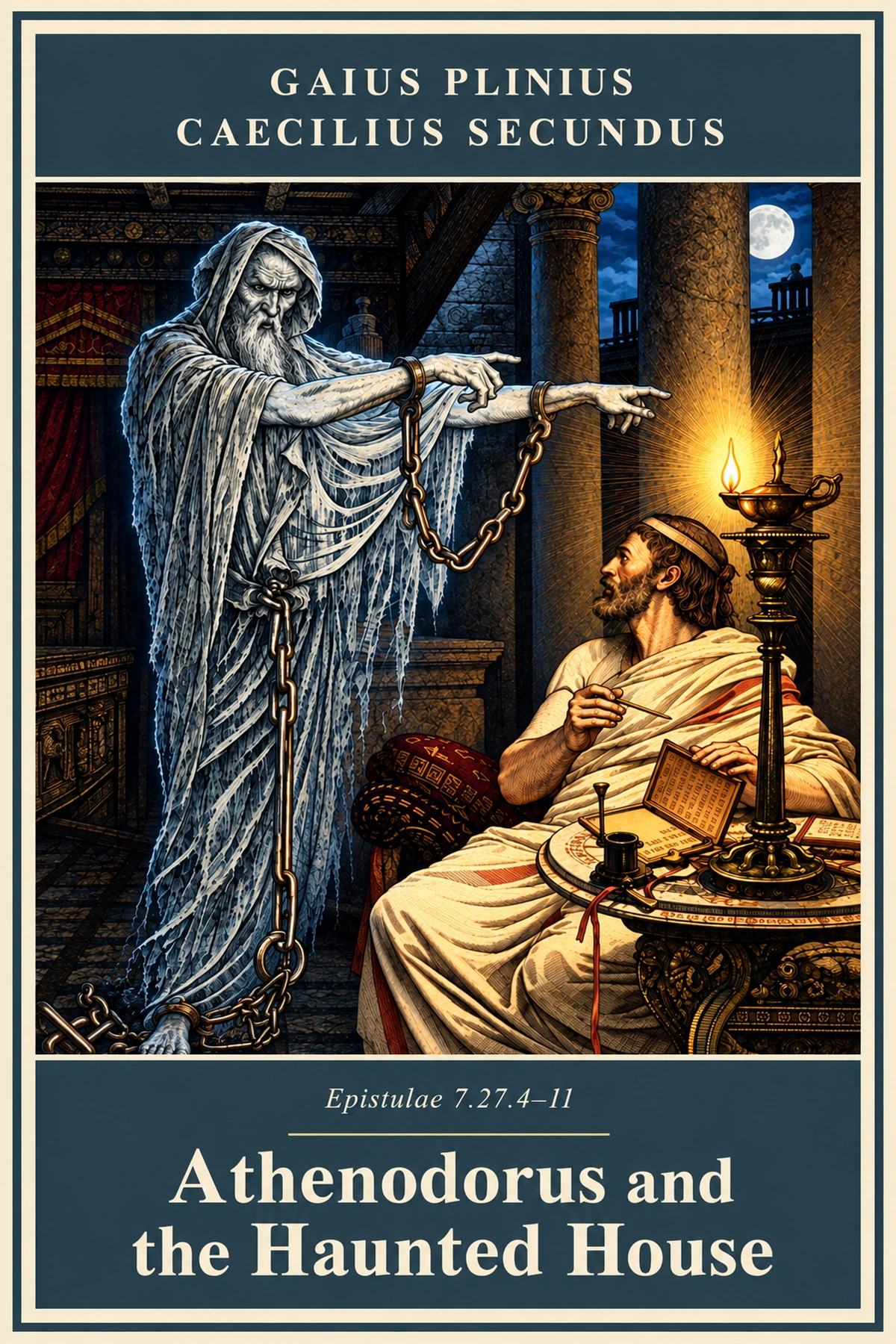
Athenodorus and the Haunted House
The letter Publius is retelling in Caput XVI.