What it is
What is biblical Latin?
“Biblical Latin” is the Latin of the Bible translations, above all Jerome’s Vulgate. Jerome knew classical Latin well, but he translated closely, and the Hebrew and Greek behind him show through: in the word order, in the way sentences are joined, and in phrases no Roman orator would have written. The result is a Latin that is grammatically the same language as Caesar’s, but reads very differently.
Five things to expect
How biblical Latin differs from classical Latin.
1. “And” at the start of everything. Hebrew narrative joins its clauses with “and”, and the Vulgate follows it. Et factum est, “and it came to pass”, opens scene after scene:
Liber Ionae 1:1–2
Tap a word — or show the glosses under every word.
Now the word of the Lord came to Jonas, the son of Amathi, saying: Arise and go to Ninive, the great city, and preach in it: For the wickedness thereof is come up before me.Douay-Rheims, Jonas 1:1–2
2. Quia and quod for “that”. Where Cicero would write an accusative and infinitive after a verb of knowing or saying, the Vulgate often writes quia or quod and an ordinary finite verb, as in Mark 2:10:
Evangelium secundum Marcum 2:10–11
Tap a word — or show the glosses under every word.
But that you may know that the Son of man hath power on earth to forgive sins, (he saith to the sick of the palsy,) I say to thee: Arise, take up thy bed, and go into thy house.Douay-Rheims, Mark 2:10–11
3. Hebrew and Aramaic words kept. Some words are simply carried over and then explained, like Jesus’s words to the dead girl in Mark 5:41, Talitha cumi, “which is, being interpreted: Damsel, I say to thee, arise.”
4. Greek words, and old words with new meanings. Evangelium, ecclesia, apostolus, baptizāre came straight from Greek. Ordinary Latin words took on Christian senses: fidēs is “faith”, grātia “grace”, caritas the love of 1 Corinthians 13. The glosses in the reader give the biblical sense.
5. Direct speech everywhere. Much of the Bible is people talking, so you meet the imperative and the present tense constantly. On the road to Damascus:
Acta Apostolorum 9:4
Tap a word — or show the glosses under every word.
And falling on the ground, he heard a voice saying to him: Saul, Saul, why persecutest thou me?Douay-Rheims, Acts 9:4
Famous phrases
Biblical Latin phrases you may already know.
Caritas patiens est, “love is patient” (1 Corinthians 13:4): the whole sentence, word by word →. Videmus nunc per speculum in aenigmate, “we see now through a glass in a dark manner” (1 Corinthians 13:12), and Jonah’s three days in ventre piscis, “in the belly of the fish”, are in the reader too.
Where to start
The Latin Bible, in order of difficulty.
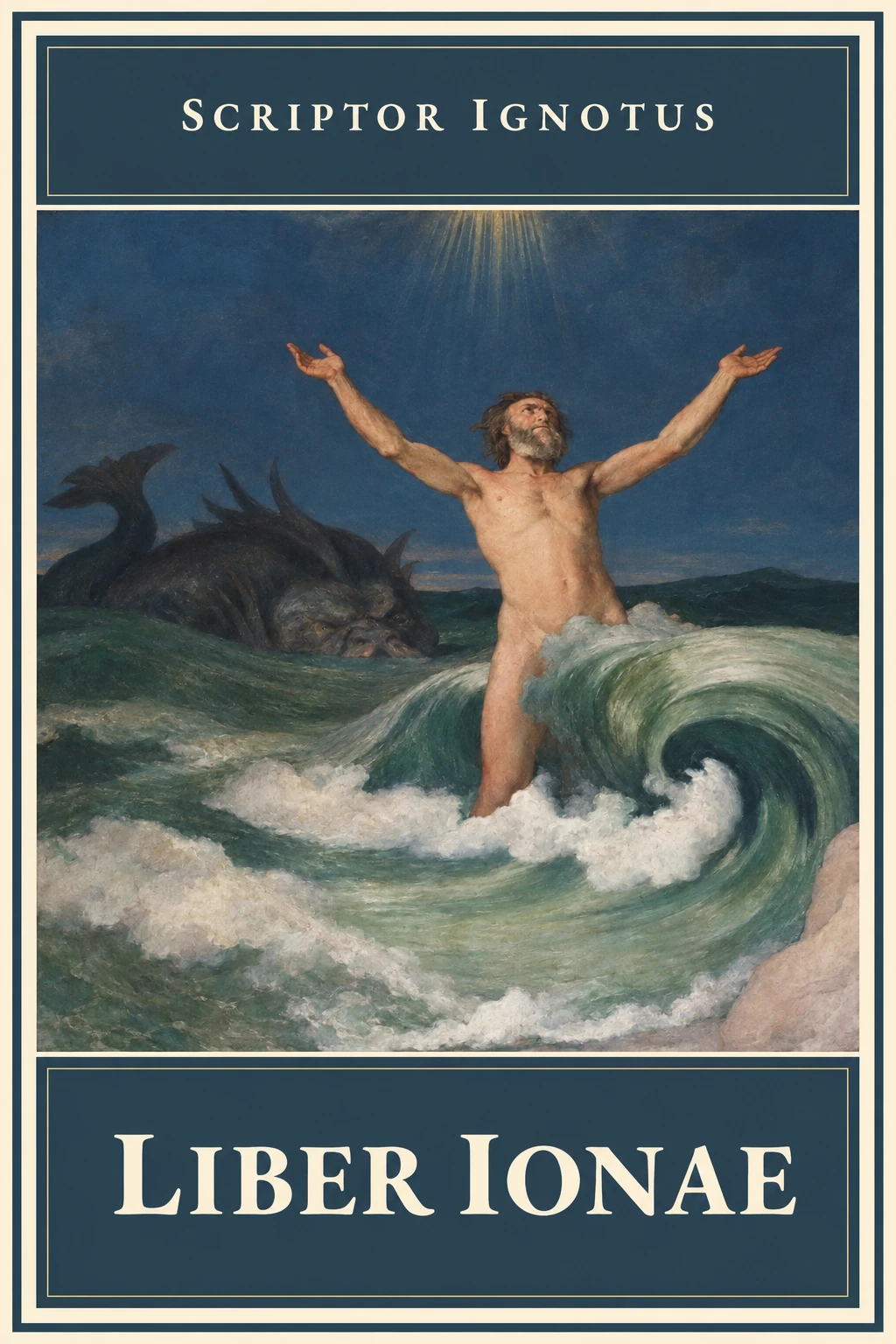
Liber Ionae
Four short chapters, a story you know, and the easiest authentic Latin in the library.
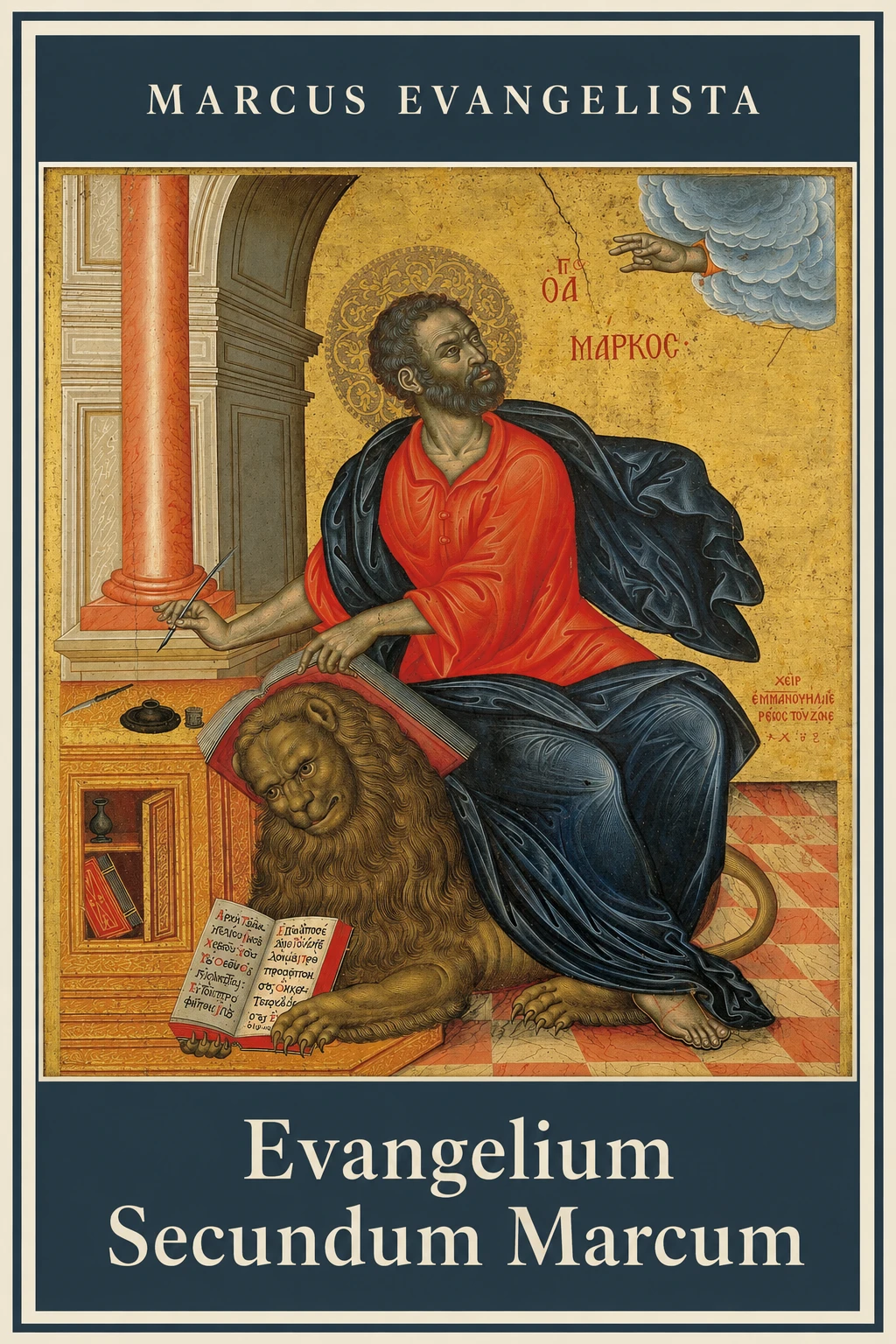
Evangelium Secundum Marcum
The shortest Gospel: short scenes, lots of direct speech.
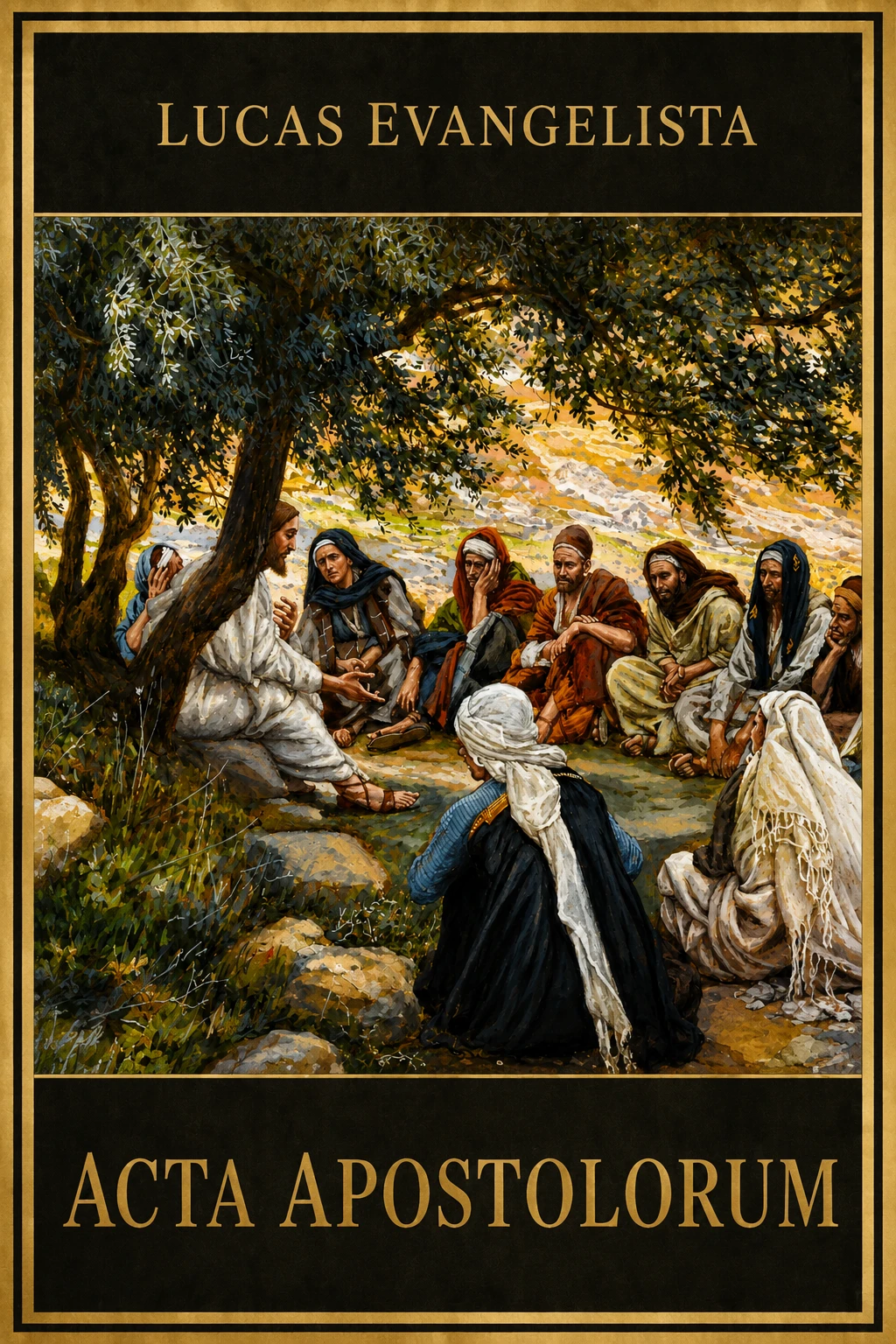
Acta Apostolorum
Longer narrative, speeches and travel, from Jerusalem to Rome.
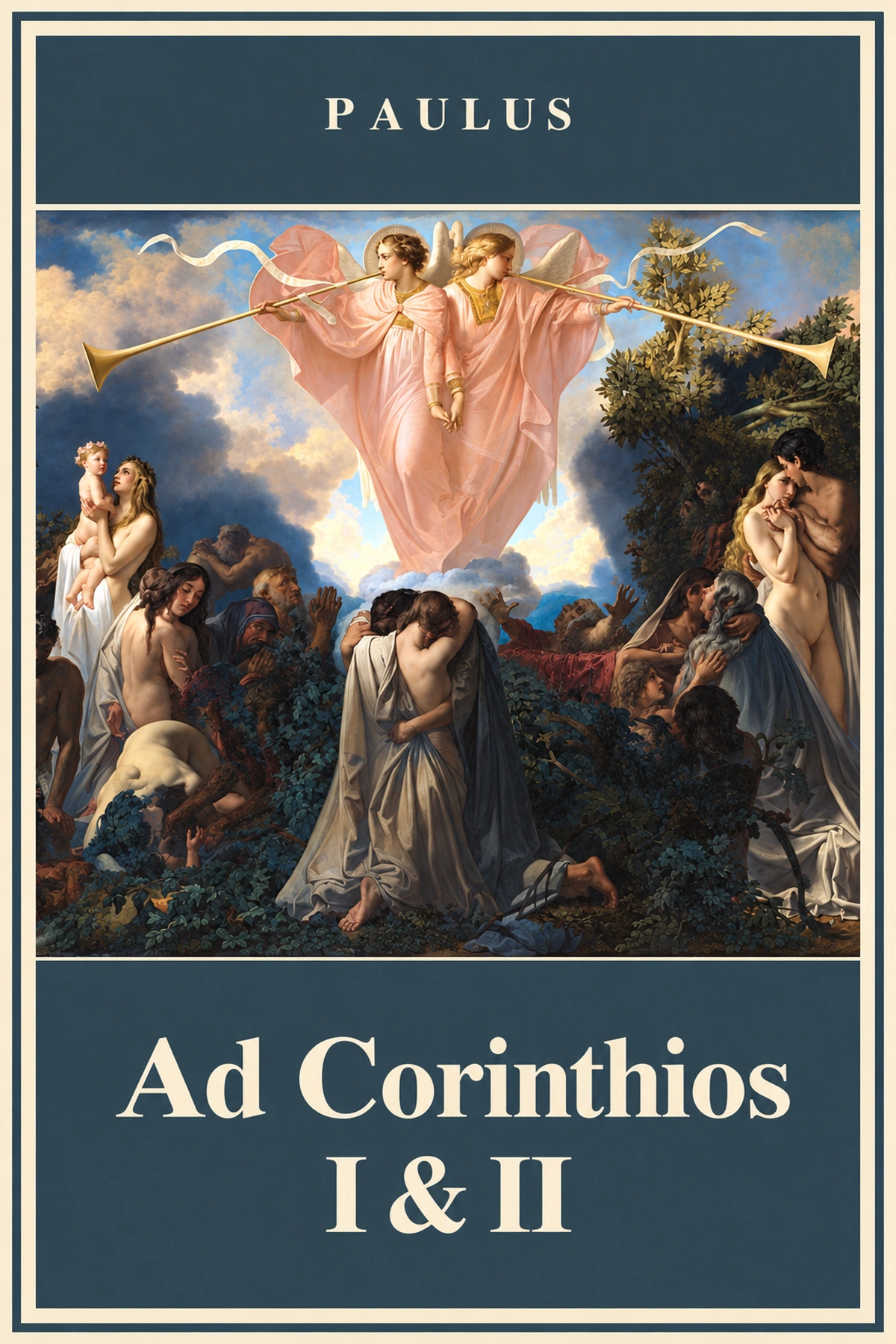
Ad Corinthios I & II
Paul arguing: longer sentences and abstract vocabulary.