What it is
The Vulgate: the Latin Bible of the Western Church.
At the end of the fourth century the scholar Jerome began a new Latin translation of the Bible, from the Hebrew and the Greek, to replace the uneven older Latin versions. His work became the versio vulgata, the “common version”, and for more than a thousand years it was the Bible that Western Europe read, quoted, sang and argued over. The Catholic Church fixed its standard text in 1592, the Clementine Vulgate, and the books here follow that text.
For a Latin reader the Vulgate matters for another reason: its Latin is plain. The sentences are short, joined with et, and the stories are ones many readers already know, which makes the Latin Bible one of the best ways to read a lot of real Latin quickly.
Read the Latin Bible online
Four books of the Vulgate, easiest first.
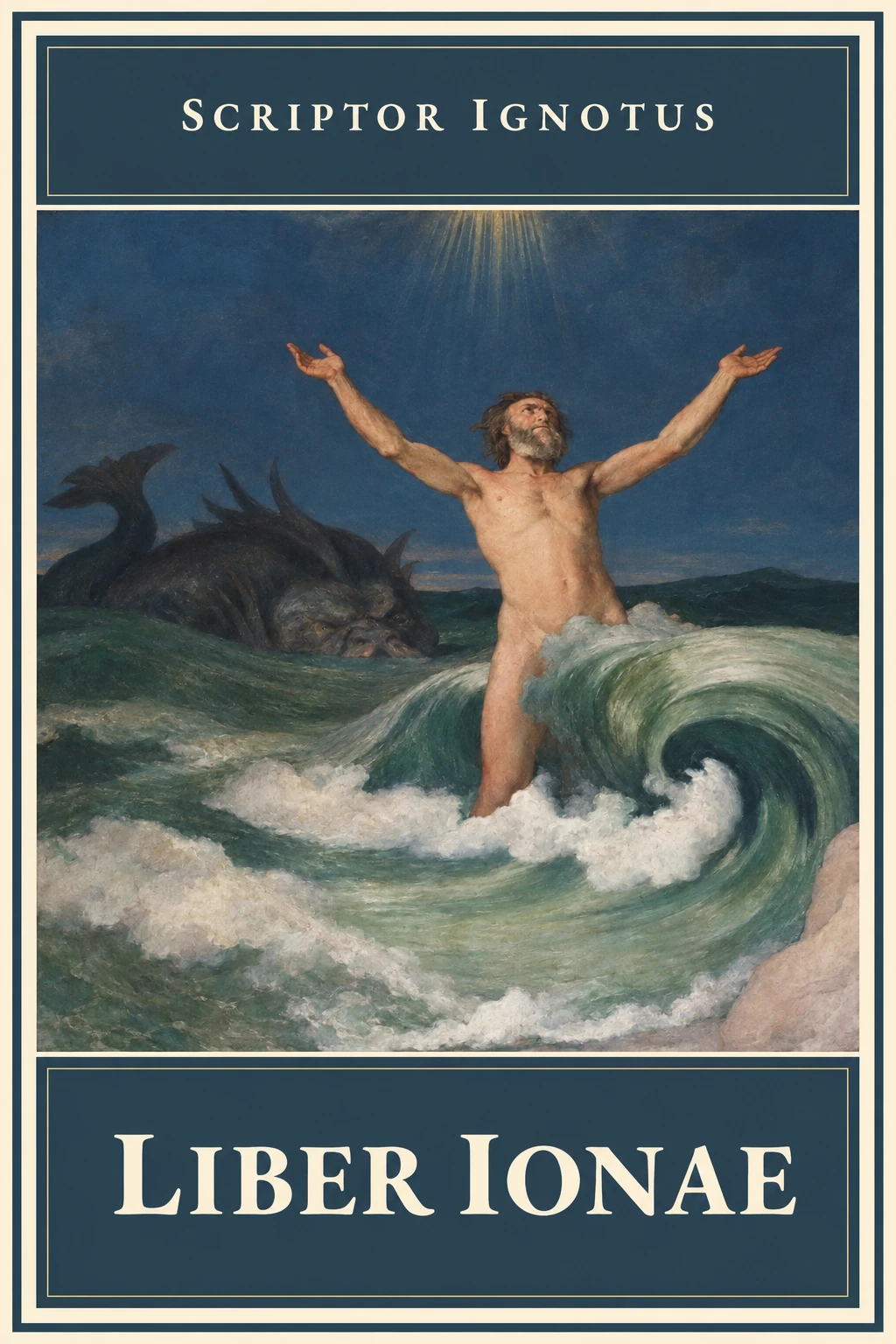
Liber Ionae
The prophet who runs from God, the storm, the great fish and Nineveh. The easiest place to start. Guide to Jonah in Latin →
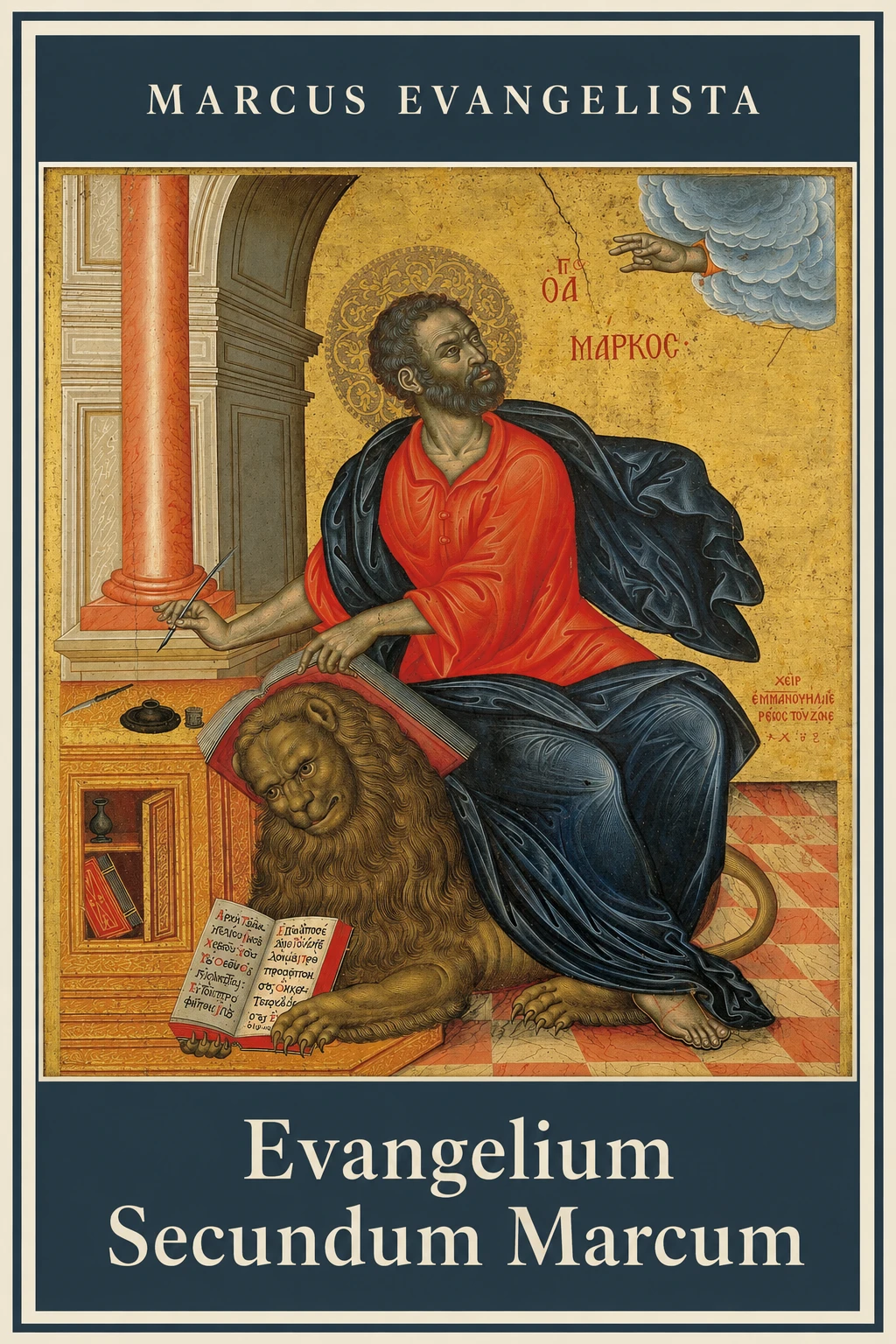
Evangelium Secundum Marcum
The shortest Gospel, fast-moving and full of short scenes: healings, parables, the Passion.
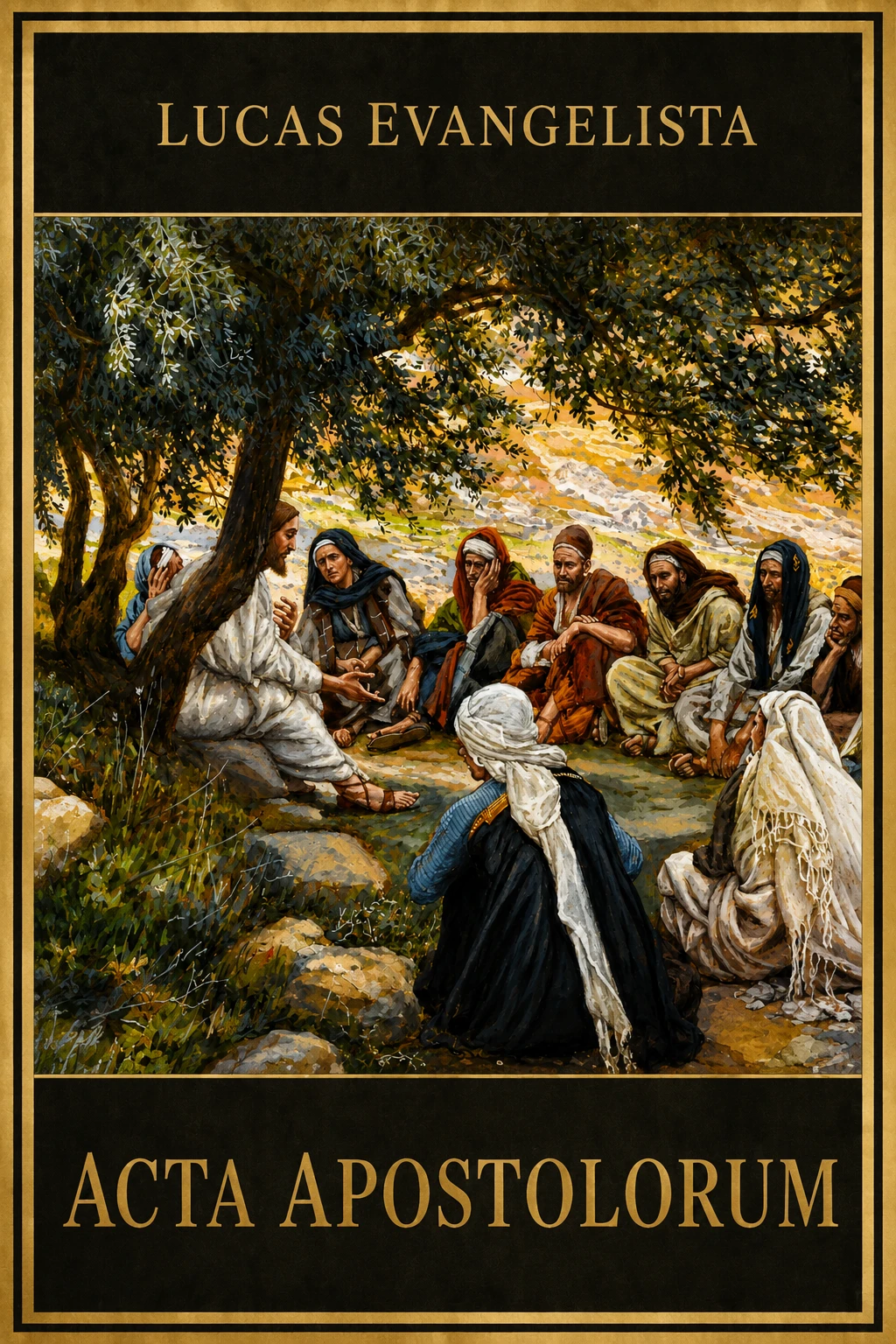
Acta Apostolorum
The early Church from Pentecost to Paul’s arrival in Rome: Stephen, the road to Damascus, shipwreck at Malta.
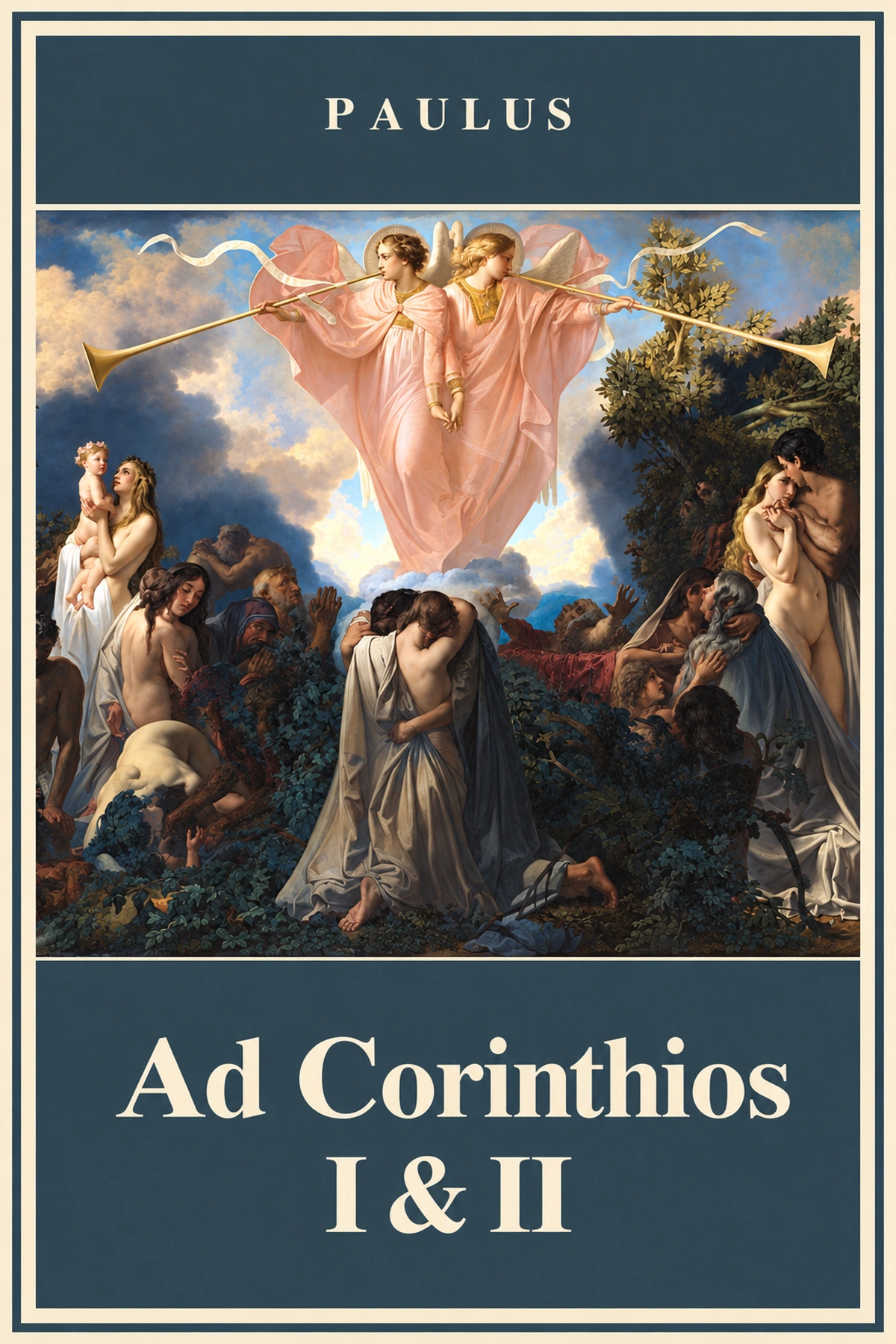
Ad Corinthios I & II
Paul’s two letters to Corinth, with the hymn to love, caritas patiens est. Harder: argument, not story. Guide to Corinthians in Latin →
A first look at the Latin
“The beginning of the gospel of Jesus Christ.”
Evangelium secundum Marcum 1:1
Tap a word — or show the glosses under every word.
The beginning of the gospel of Jesus Christ, the Son of God.Douay-Rheims, Mark 1:1
Mark opens without a verb. Initium, “beginning”, governs a chain of genitives: of the gospel, of Jesus Christ, of the Son of God. Evangelium is the Greek word for “good news”, taken into Latin, one of the many Greek words the Latin Bible made part of the language.
How the Latin reads
Short sentences, et, and quia.
Biblical Latin is not Cicero’s. It strings clauses together with et, often uses quia or quod where classical prose would put an accusative and infinitive, and keeps Hebrew and Greek turns of phrase: et factum est, “and it came to pass”. None of this is hard once you have seen it a few times. Our guide to Biblical Latin goes through the main differences with examples.
Sources & further reading
- Biblia Sacra Vulgatae Editionis (Rome: Ex Typographia Vaticana, 1598)
- The Clementine Vulgate Project, electronic edition (2005)
- The Holy Bible, Douay-Rheims version, Challoner revision (1749–52), for the English quoted on these pages