The book
A 1933 primer built from stories, not rules.
A New Latin Primer was written by two American teachers, Mima Maxey and Marjorie J. Fay, and published by D. C. Heath in 1933. Its idea is simple. New words arrive in situations that explain themselves, and the most common words come back again and again, so you can read before you have learned much grammar.
The first lessons are a few lines long: pupils, teachers, families, farmers, sailors and roads. They grow into real stories, including the sacred geese that warned Rome of attack, a doctor’s night journey to a sick boy, pioneer wagons, a blind veteran’s battle story, and Saturnalia with its candles and gifts.
What you get
The primer’s reading, in ten short books.
We have grouped the primer’s forty-one lessons into ten short readers of 200 to 1,700 words each, about 11,300 words of Latin in all. Lesson numbers and text are kept as printed. One reader, Defending Rome, puts its six independent stories in order of difficulty instead of lesson order.
What you get is the reading: every story and dialogue, with a definition, lemma and form for every word. What you don’t get is the primer’s grammar instruction, vocabulary drills or exercises. If you want those, keep the printed book beside you. The reading is where the Latin actually sticks.
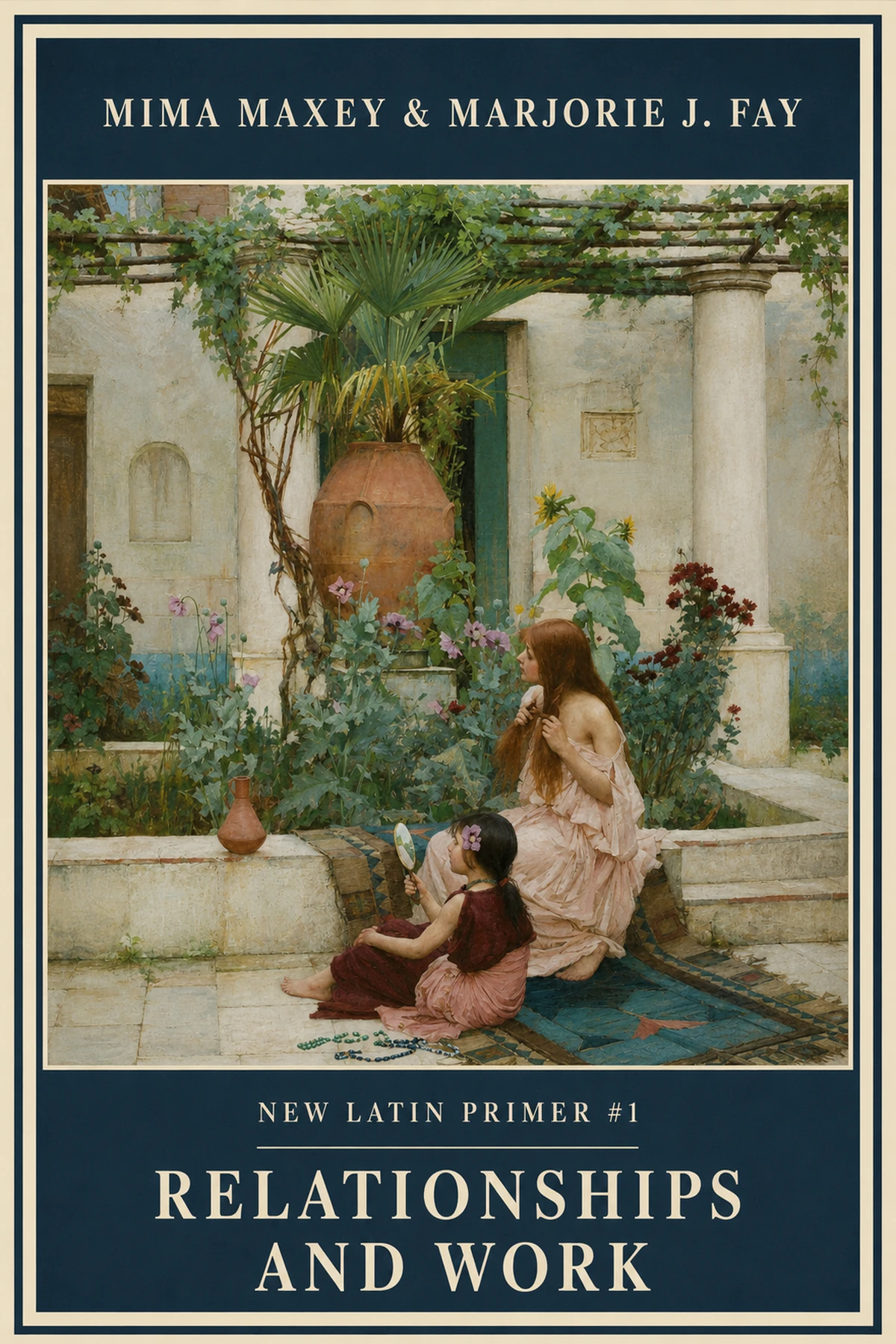
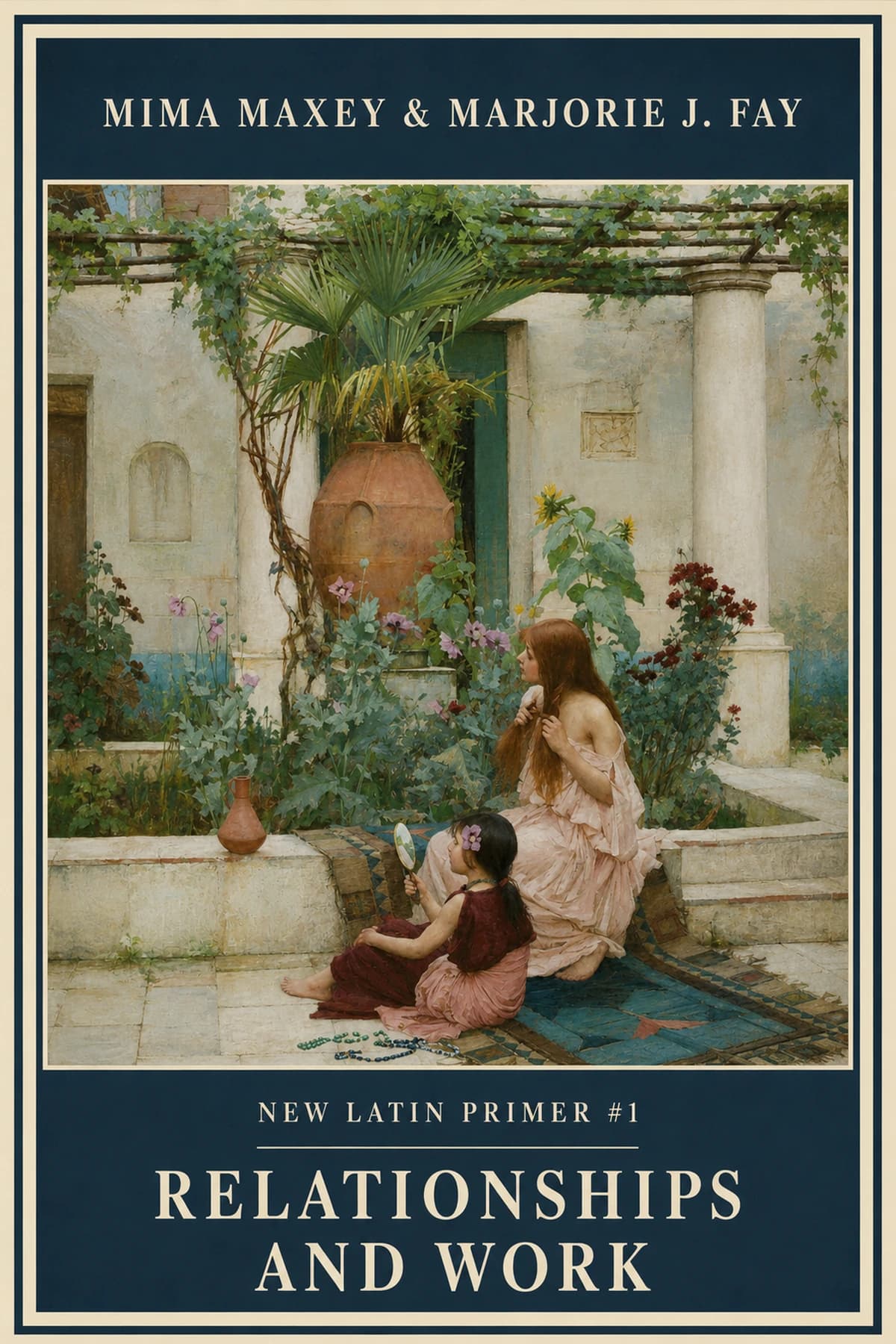
Relationships and Work
Begin Latin through people you can picture immediately—teachers, pupils, families, farmers, sailors, roads, places, and the work that connects them.
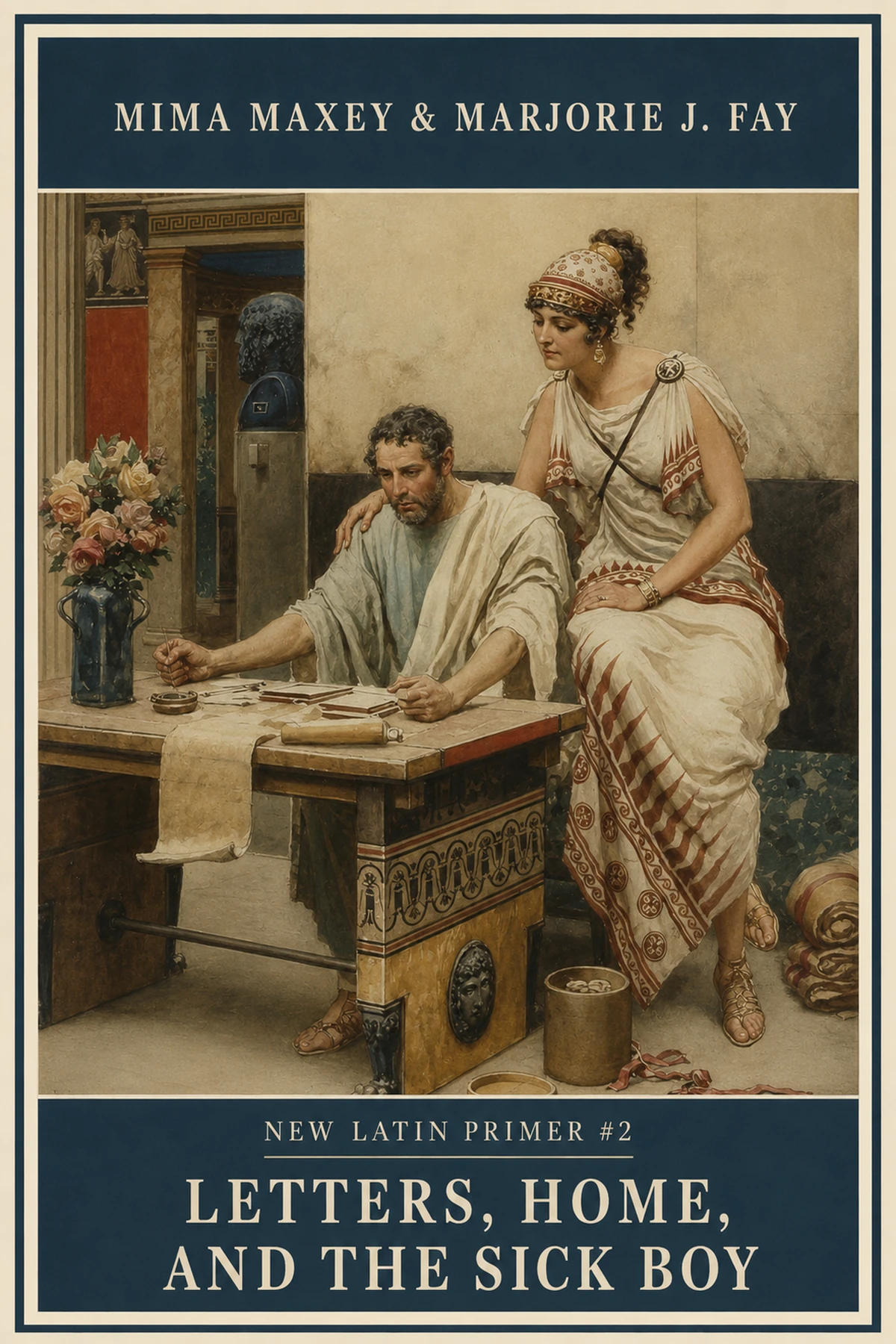
Letters, Home, and the Sick Boy
Letters cross distances, homes and gardens come into view, and a doctor’s nighttime journey turns elementary Latin into a real story.
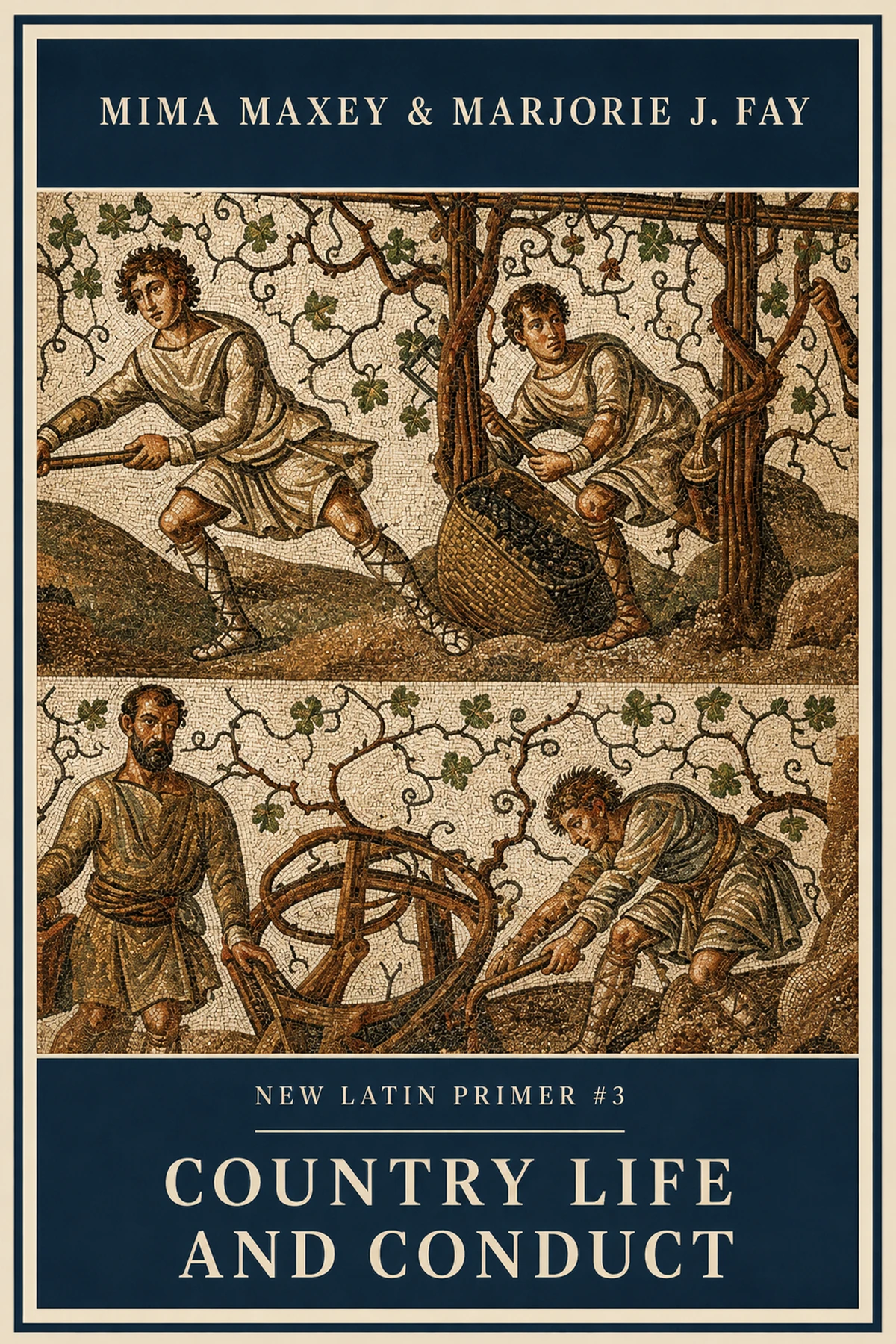
Country Life and Conduct
Three compact stories of country life, work, misbehavior, and reward give the learner a gentle bridge from domestic Latin to fuller narrative.
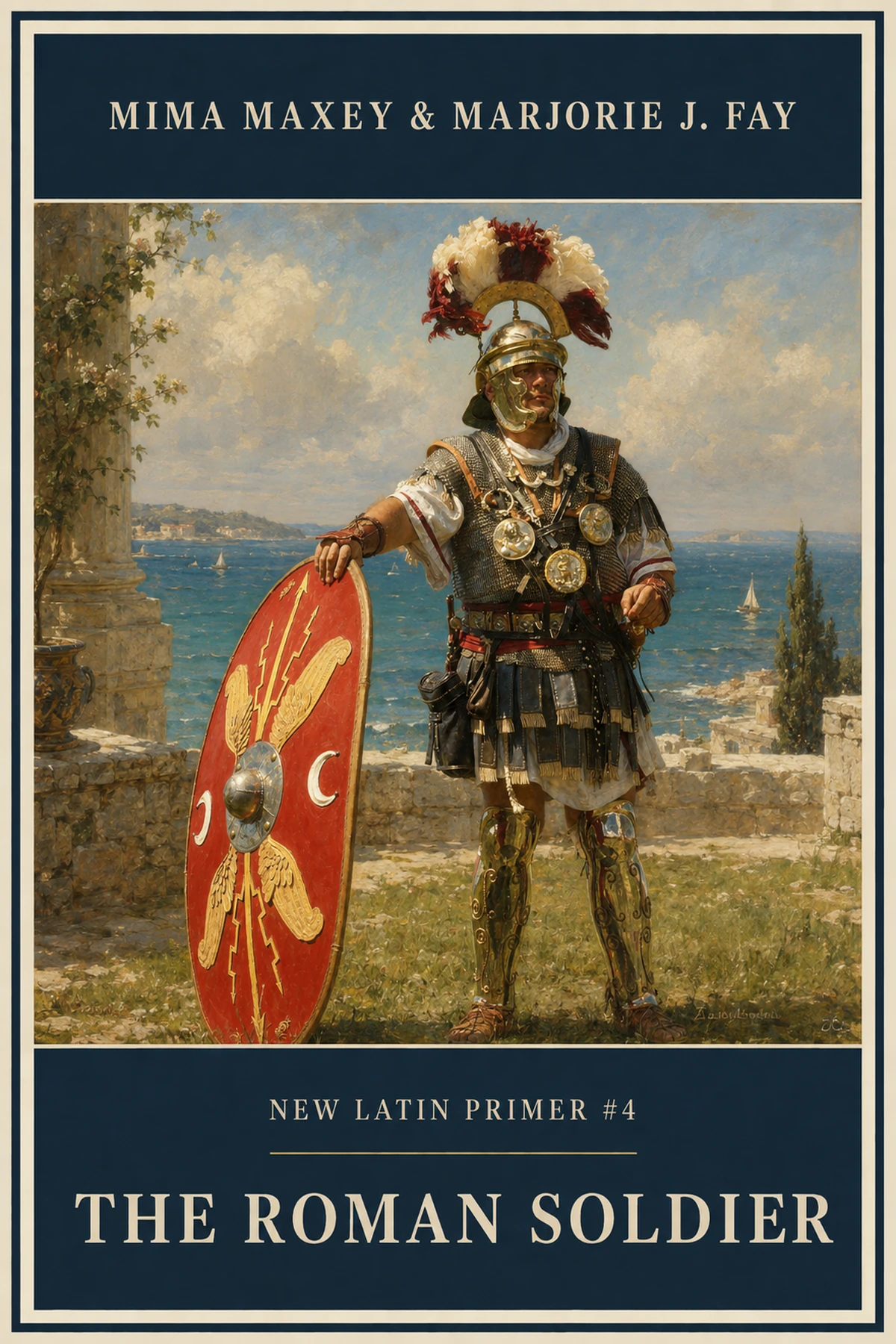
The Roman Soldier
Meet the Roman soldier through the armor he wears, the weapons he carries, the camp he inhabits, and the questions young learners ask about military life.
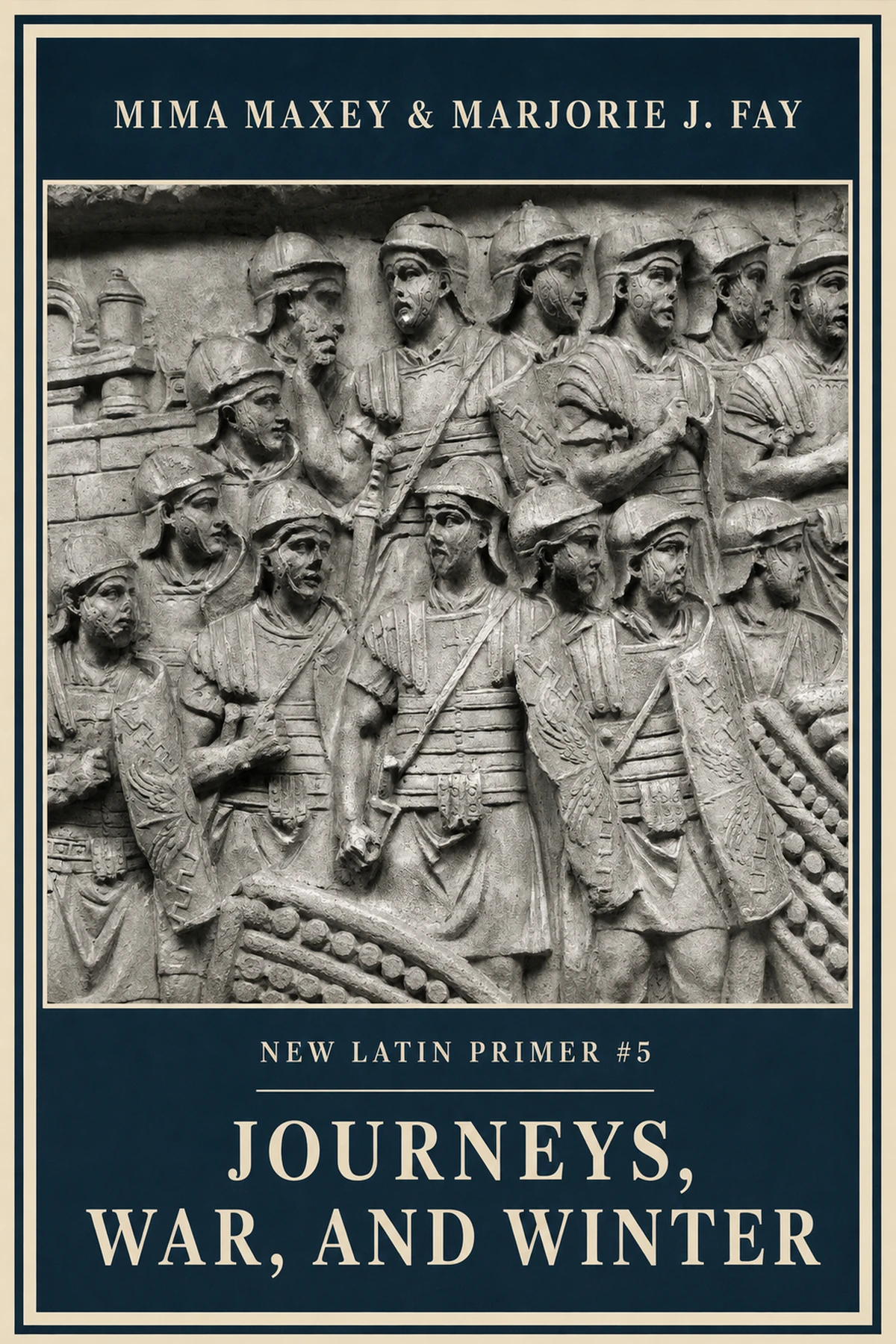
Journeys, War, and Winter
A carriage ride, soldiers going to war, a blind veteran's battle story, and winter imagined as an invading army carry the learner into longer, more dramatic Latin.
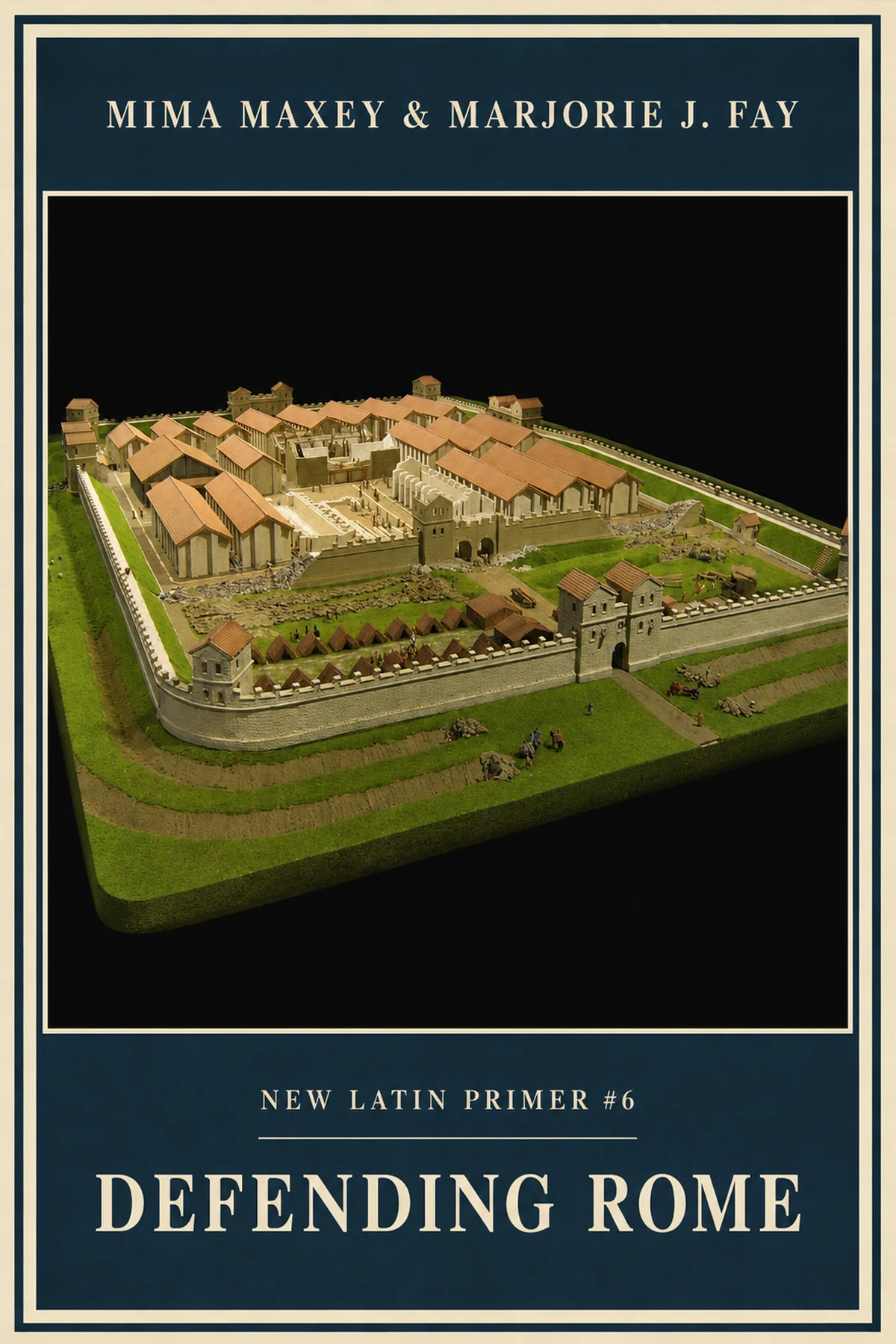
Defending Rome
Sacred geese, frightened deserters, urgent messengers, disobedient slaves, and danger in the dark turn Roman defense into a collection of fast-moving Latin stories.
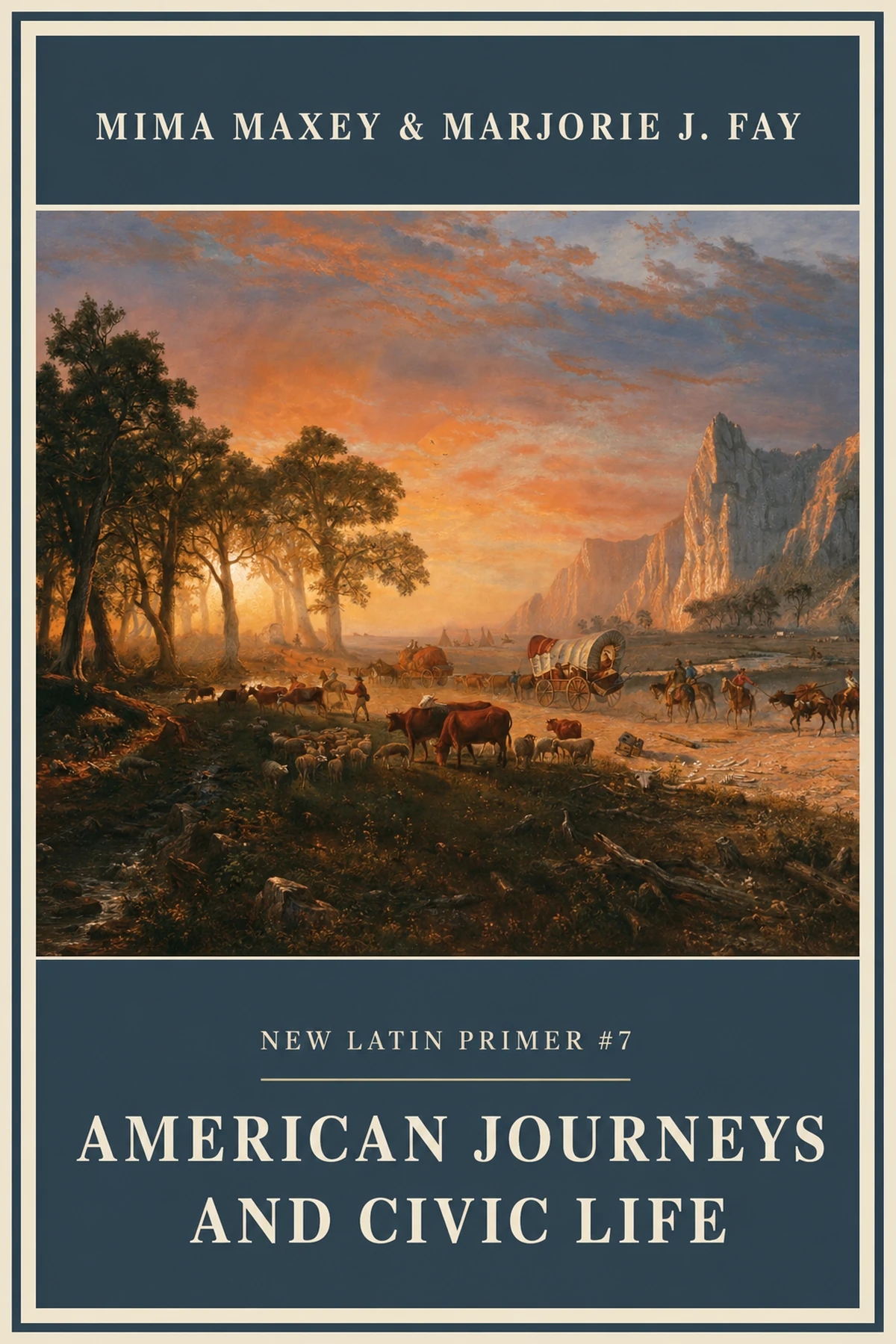
American Journeys and Civic Life
Boats, wagons, pioneer travel, a famous battlefield, yacht racing, and a growing American city show just how far Latin can travel beyond Rome.
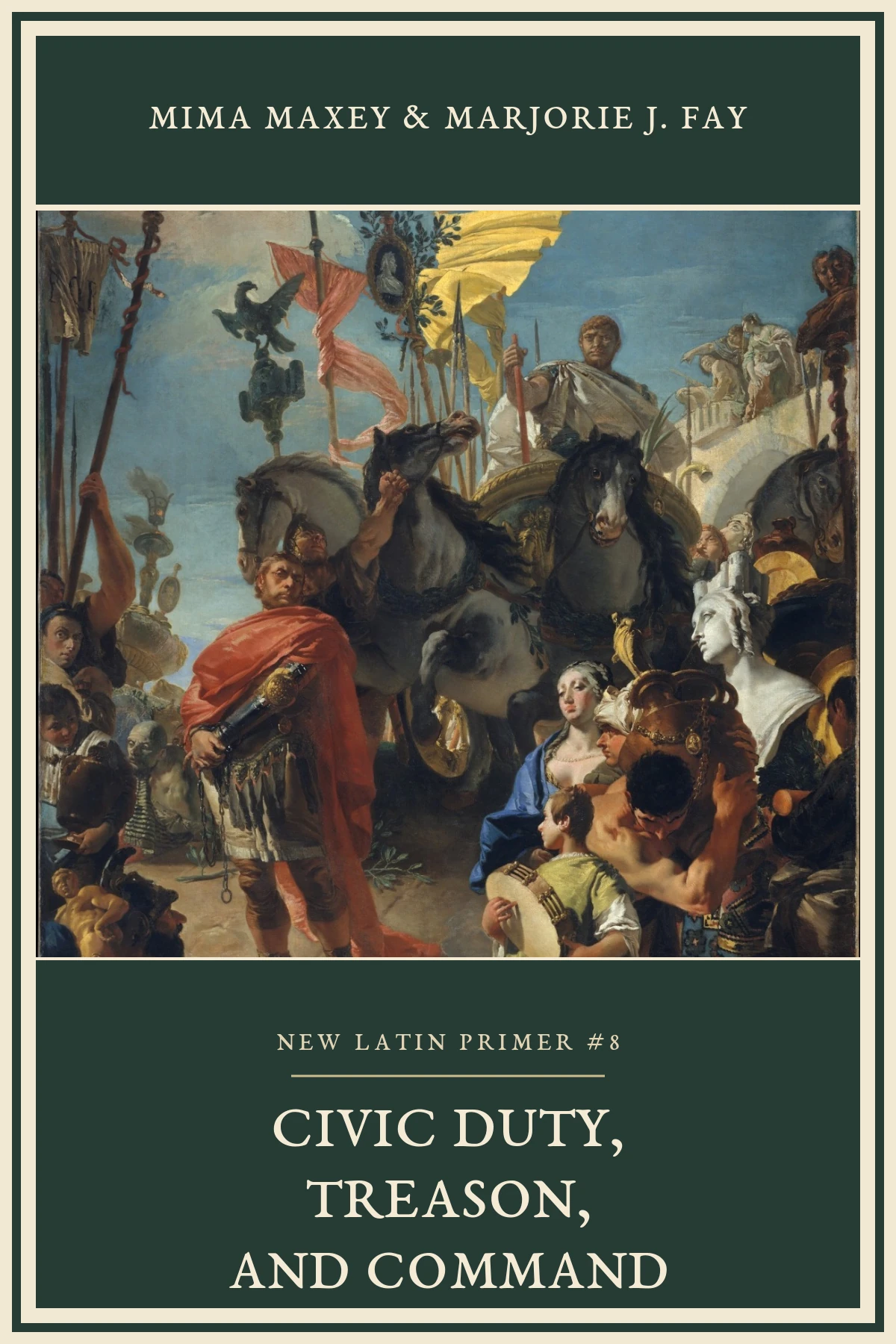
Civic Duty, Treason, and Command
Republican offices, military command, rescue, treason, and public duty make this the series' turn toward civic and institutional Latin.
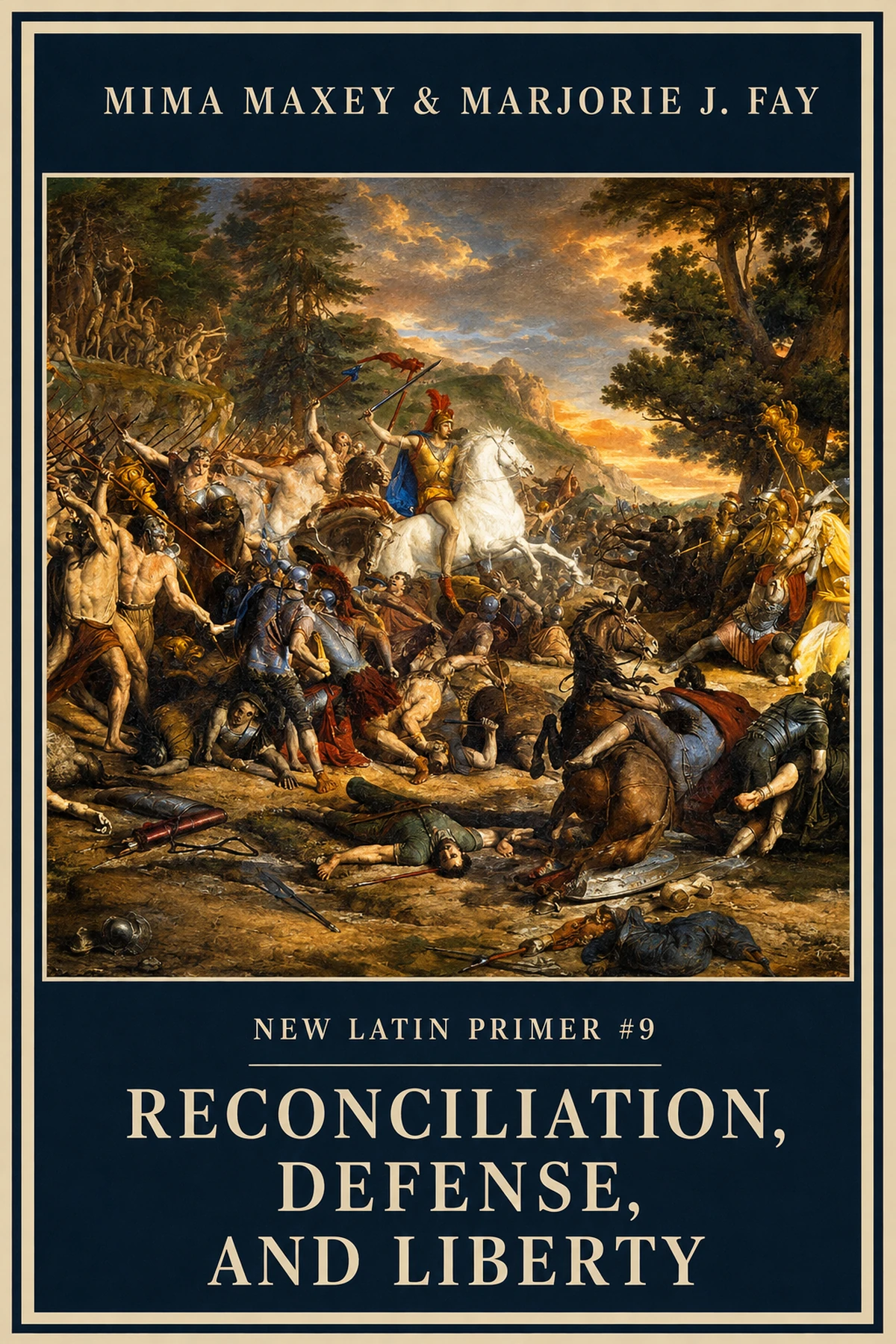
Reconciliation, Defense, and Liberty
Estranged brothers, attacked homes and forts, a veteran's memories, and a revolt for liberty bring the primer's hardest stories to a dramatic close.
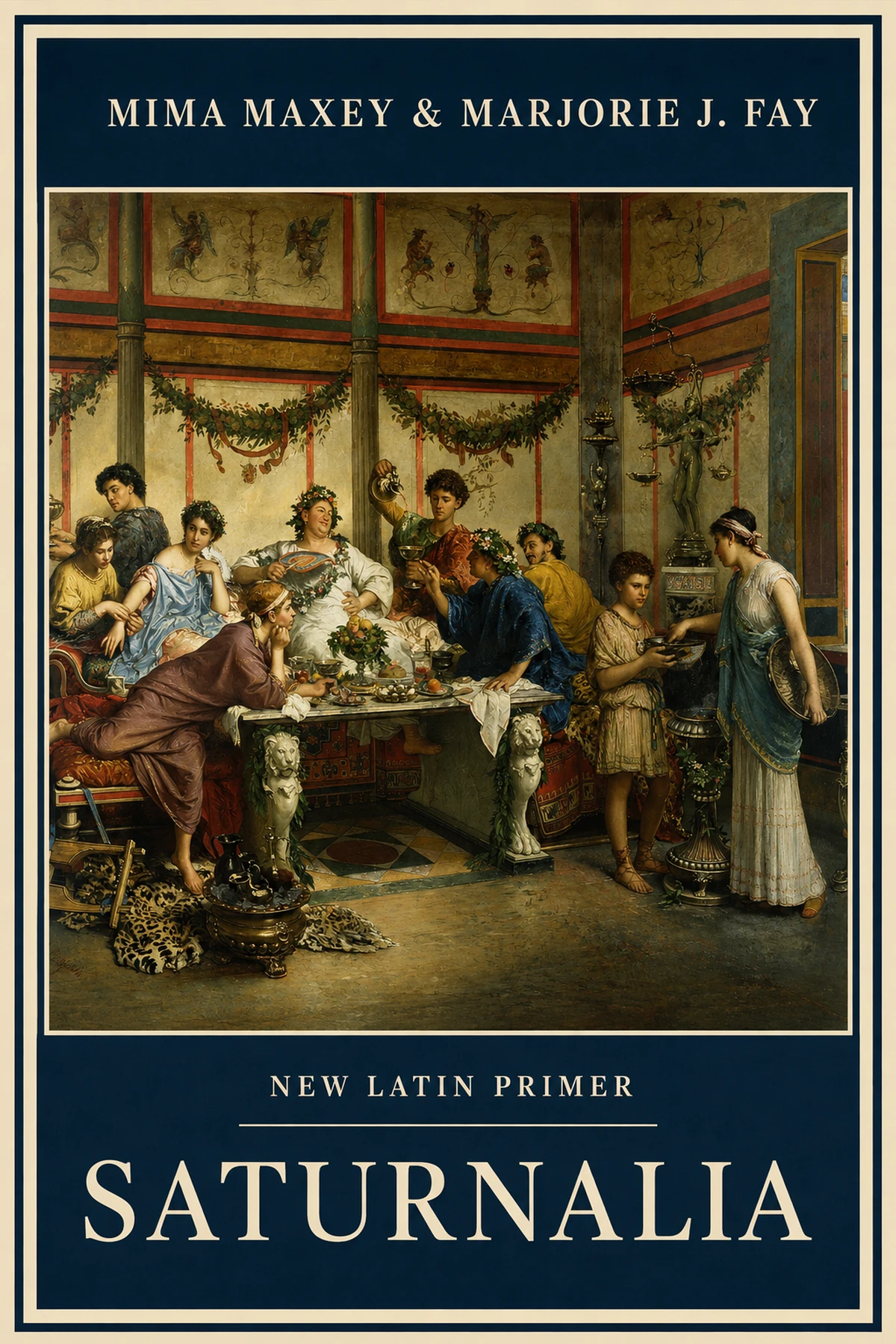
Saturnalia
Candles, gifts, feasting, reversed social roles, and Roman calendar customs make Saturnalia a compact seasonal excursion into Roman holiday life.
A taste of the Latin
Lesson I: hello, teacher.
Tap any word for its meaning, lemma and form. This is the very first line of the primer:
A New Latin Primer · Lesson I
Tap a word — or reveal the translation.
Difficulty
The gentlest start in the library.
The ten readers score 1.1 to 2.1 on Librorum Capsula’s 1–11 scale, as easy as the library goes. You can begin with no Latin at all. Then go on to the two story books Maxey and Fay wrote to follow the primer: Cornelia (1.8) and Carolus et Maria (1.6), each about 9,000–11,000 words of continuous story. For more ideas, see how to learn Latin by reading.
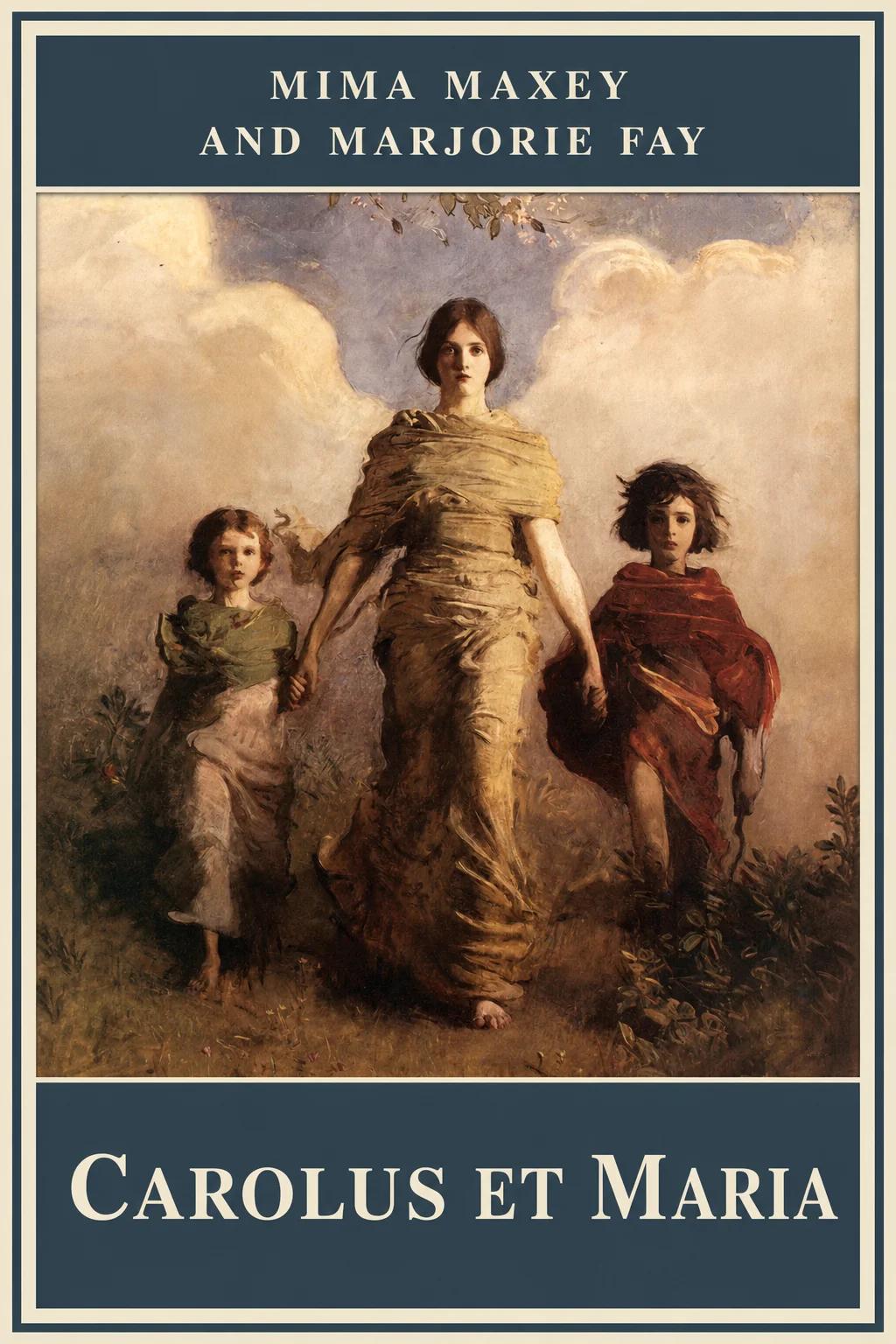
Carolus et Maria
Highly repetitive Level 1 prose about two children, their family, and their world.
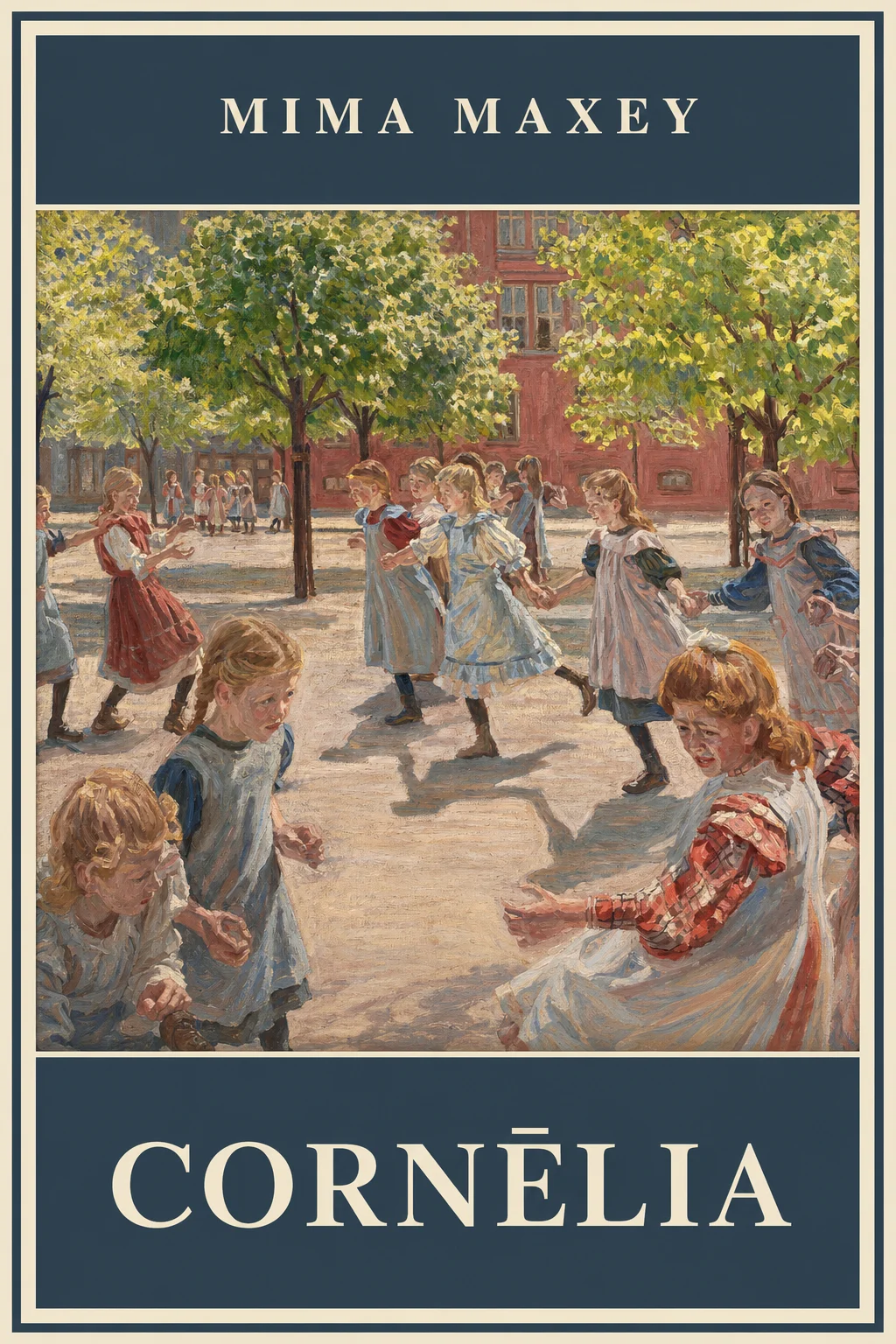
Cornelia
A continuous Level 1 reader that builds a small, familiar world through controlled repetition.