The book
A first-year reader that teaches through things you can see.
The first half of Reynolds’ book is nature study in Latin: why the earth is round, where light comes from, the stars, the winds, the poles and the seasons. The sentences are short and the subjects explain themselves, so the meaning is clear before you know the grammar behind it.
Then the book moves into a Roman school: numbers, colors, the hours, the calendar, measuring, arithmetic, reading and writing. After that come two continuous stories. Extra Ludum follows two children at their villa and on a trip to Rome. Arminius Puer Suebus follows a boy of the Suebi, and opens with the Rhine dividing the Gauls from the Germans.
What you get
Seven readers, about 16,000 words of Latin.
What you get is the reading: every passage and both stories, with a definition, lemma and form on every word. What you don’t get is any drills or classroom instructions. You read; the help is one tap away.
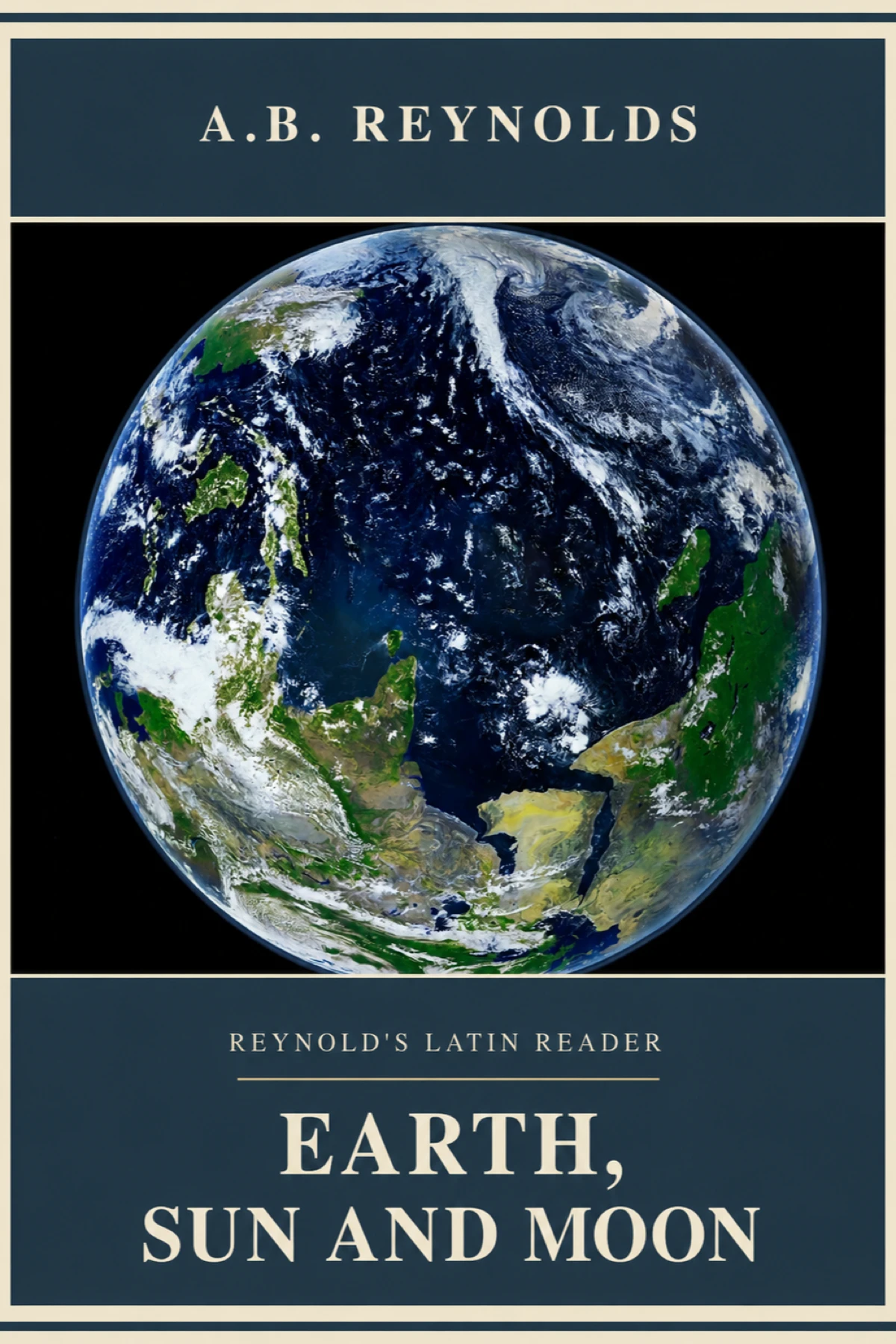
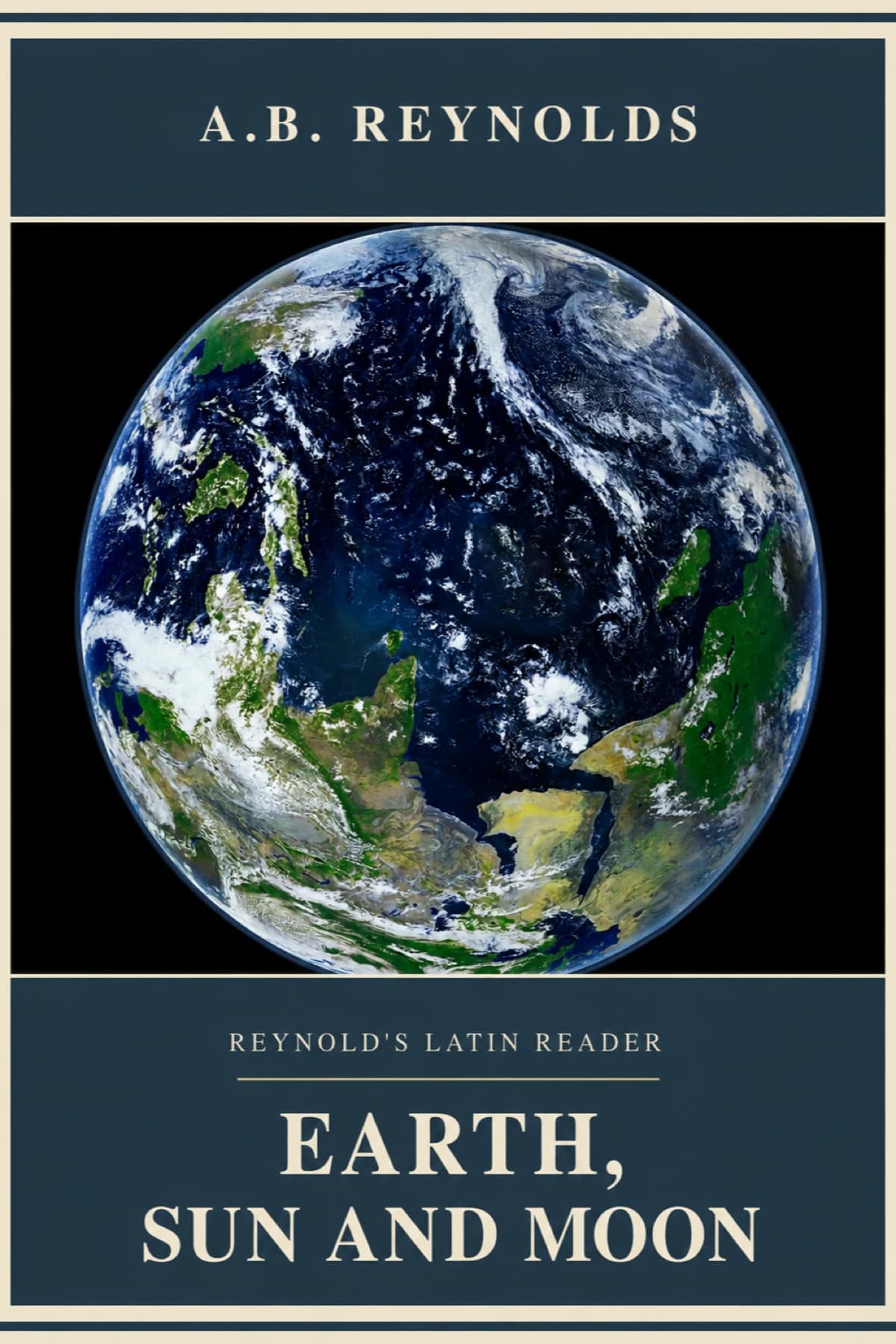
Earth, Sun and Moon
A short nature-study reader on the earth, the sun, and the moon, in simple classroom Latin.
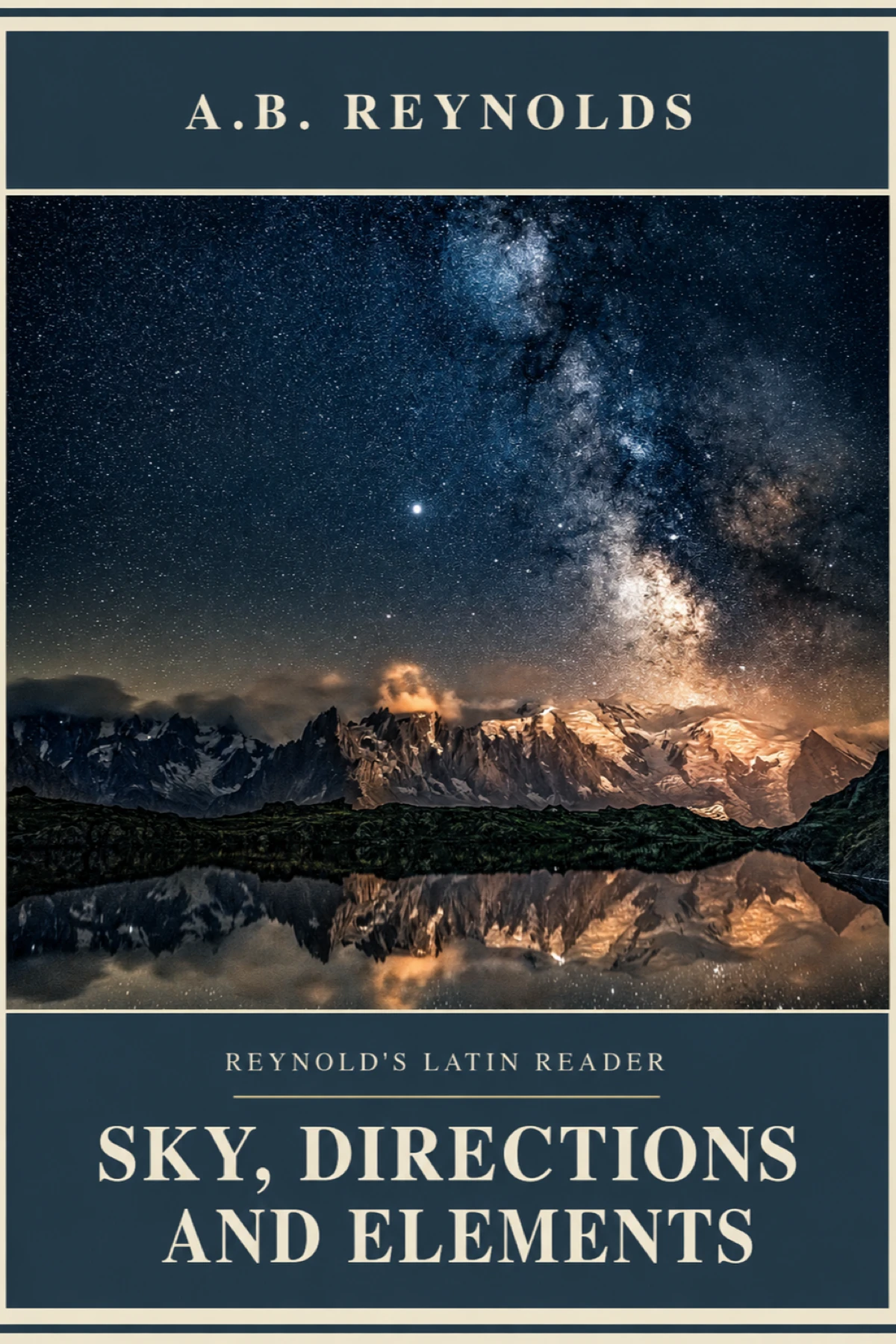
Sky, Directions and Elements
A nature-study reader on the stars, day and night, directions, winds, land, water, and air.
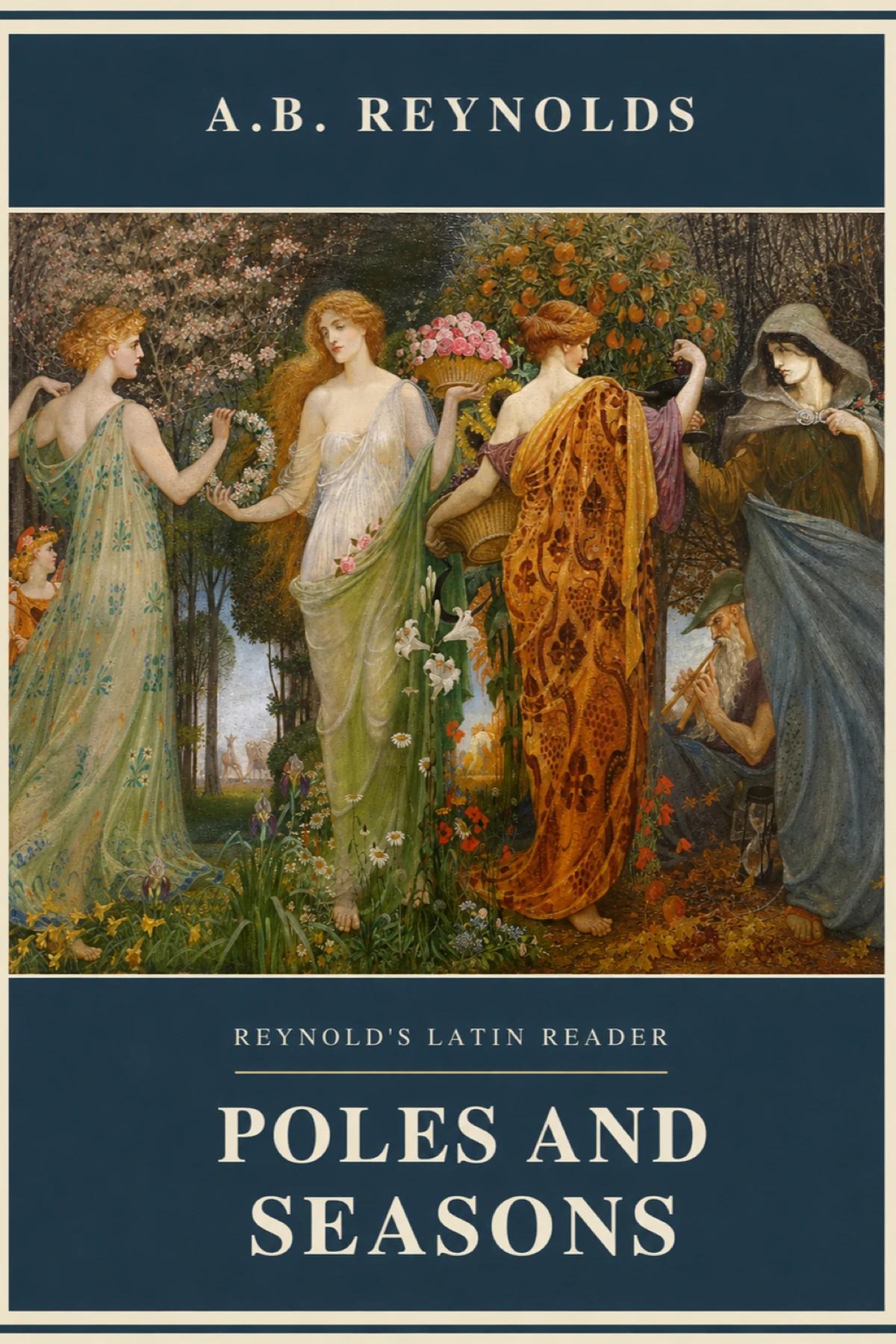
Poles and Seasons
A nature-study reader on the earth's poles, the yearly cycle, and the four seasons.
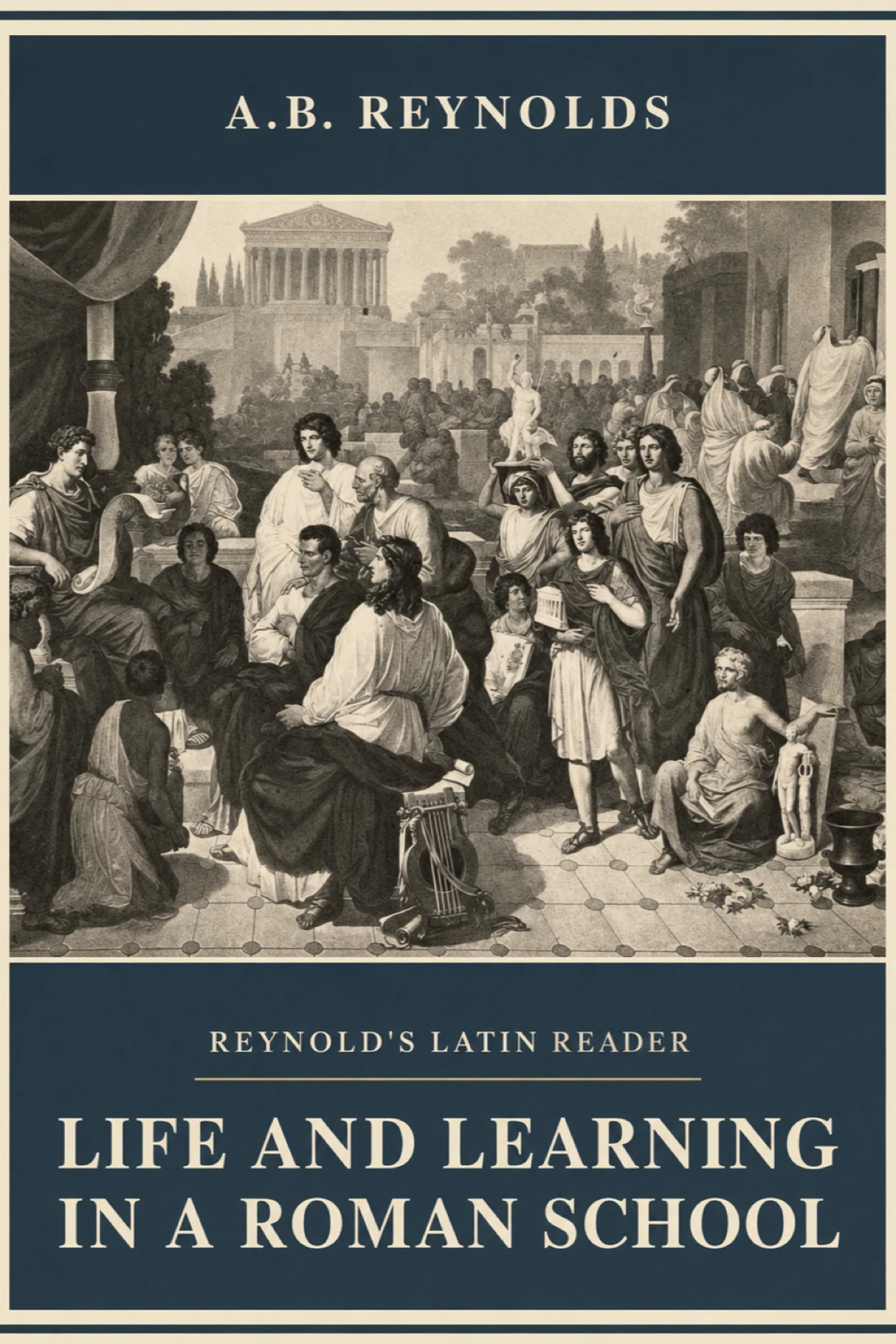
Life and Learning in a Roman School
A school-life reader on numbers, colors, time, space, hours, and the Roman calendar.
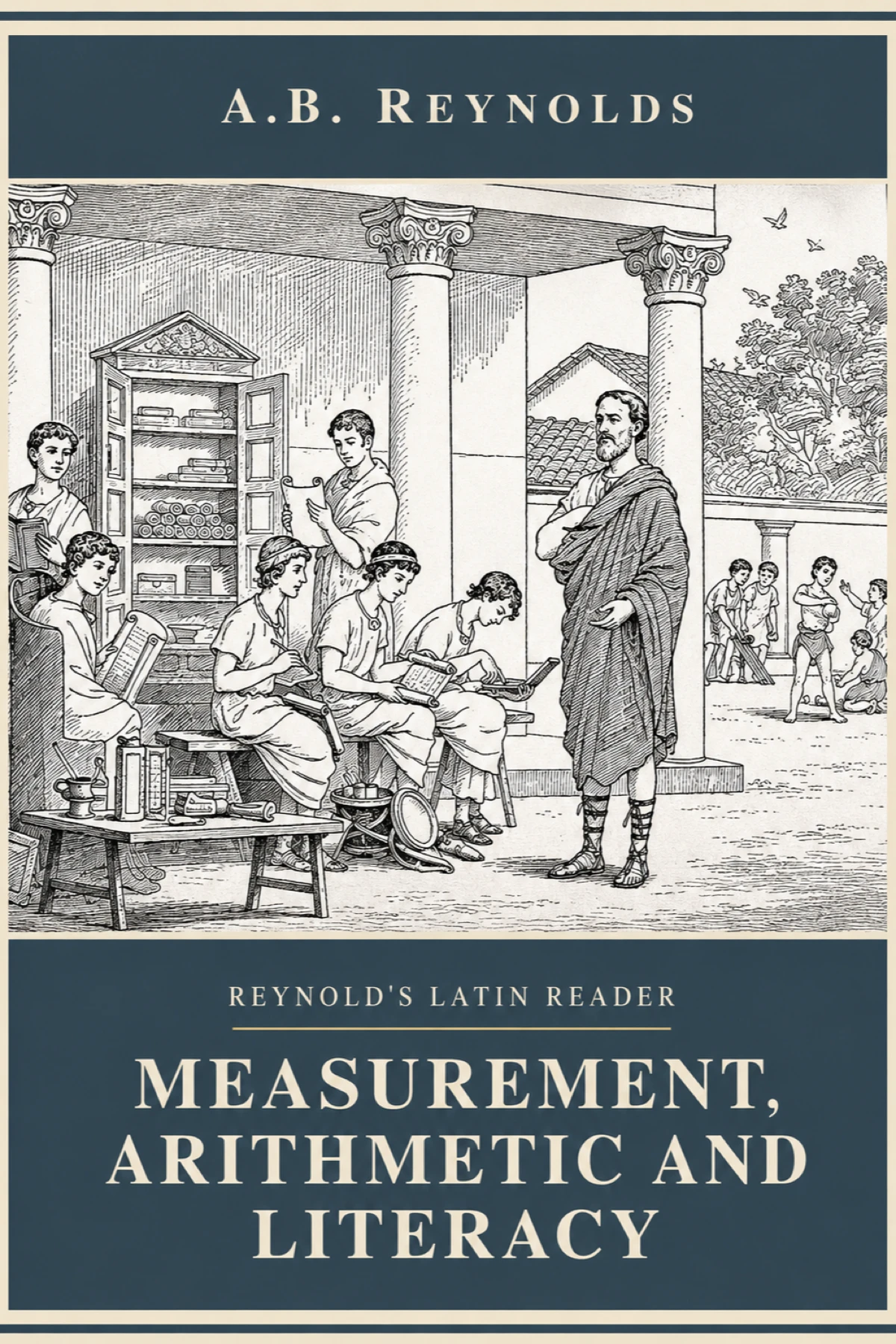
Measurement, Arithmetic and Literacy
A school-life reader on measurement, gravity, arithmetic, division, reading, and writing.
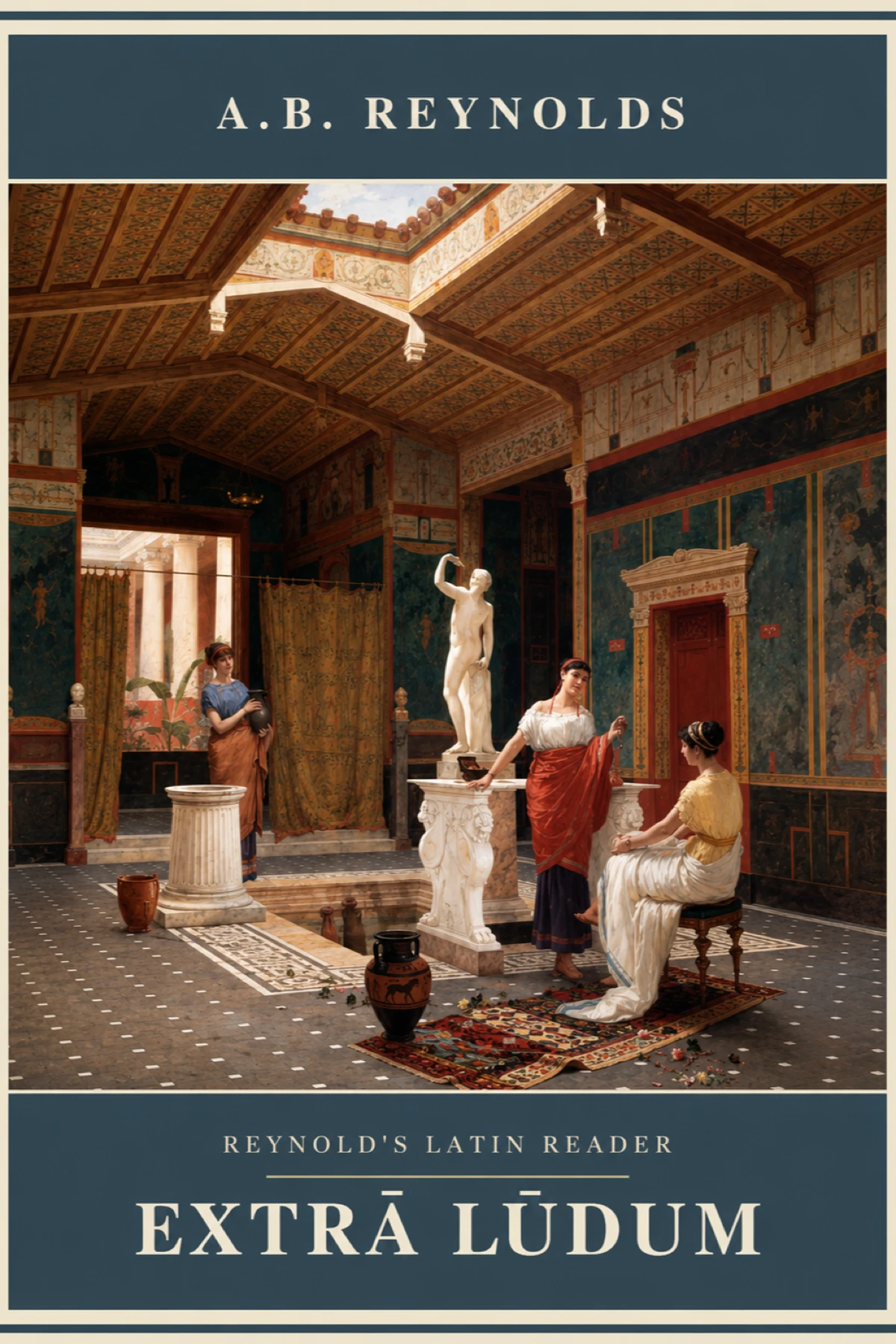
Extra Ludum
A continuous narrative following two children, at the villa and on a trip to Rome, with every written word separately glossed.
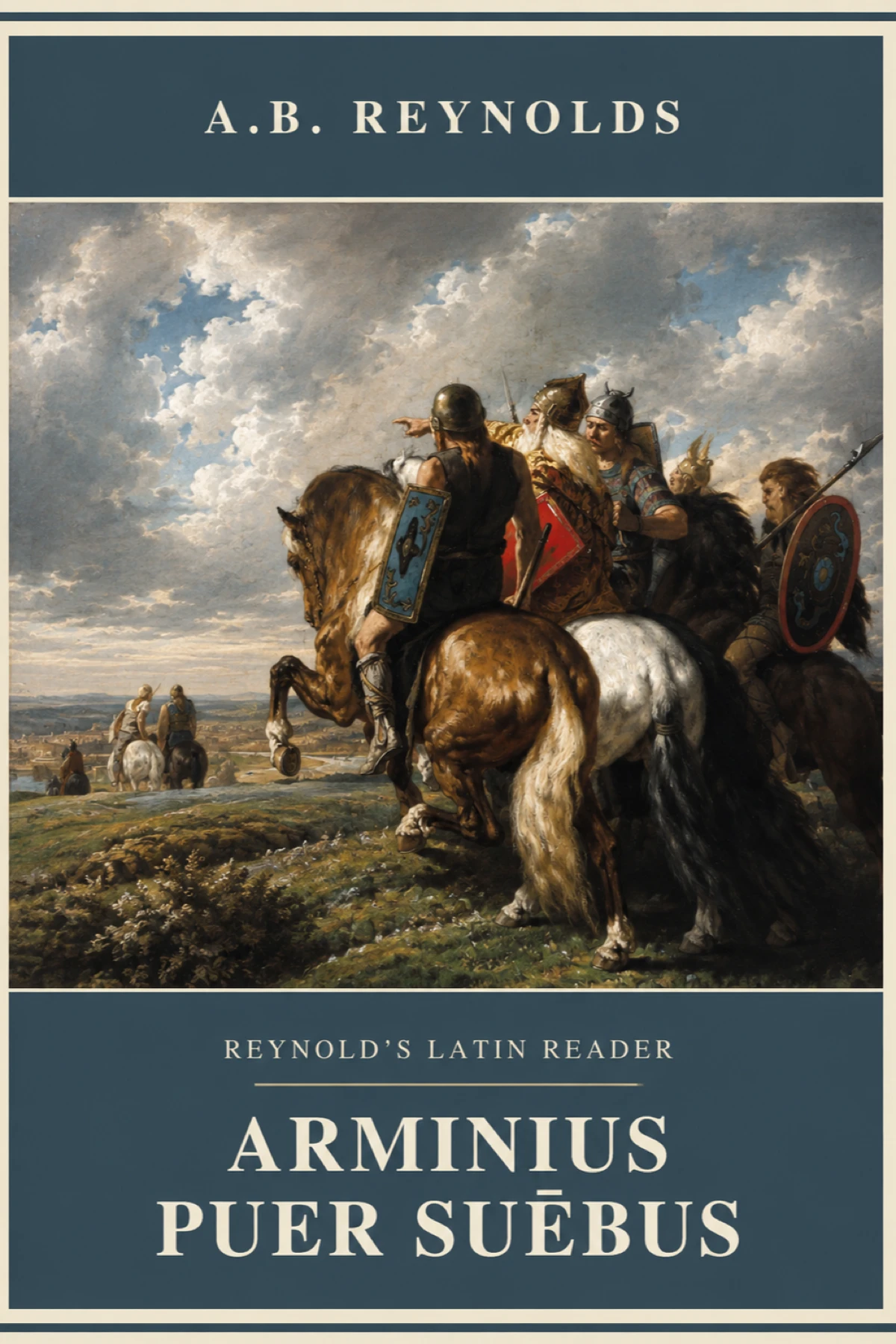
Arminius Puer Suebus
A continuous novella following Arminius, a boy of the Suebi, amid Rome's dealings with the Germanic tribes.
A taste of the Latin
The earth looks flat. It isn’t.
Tap any word for its meaning, lemma and form. This is how the book begins:
Reynolds · Dē Tellūre
Tap a word — or reveal the translation.
Difficulty
The widest climb of any first reader here.
Reynolds runs from 1.2 to 5.8 on Librorum Capsula’s 1–11 scale. The nature-study parts are true beginner reading. Extra Ludum (4.6) and Arminius (5.8) are fuller intermediate Latin, harder than the end of most first-year courses. Read straight through and the book carries you from your first sentences to real narrative. For other graded readers of the same era, see Primus Annus and Puer Romanus.