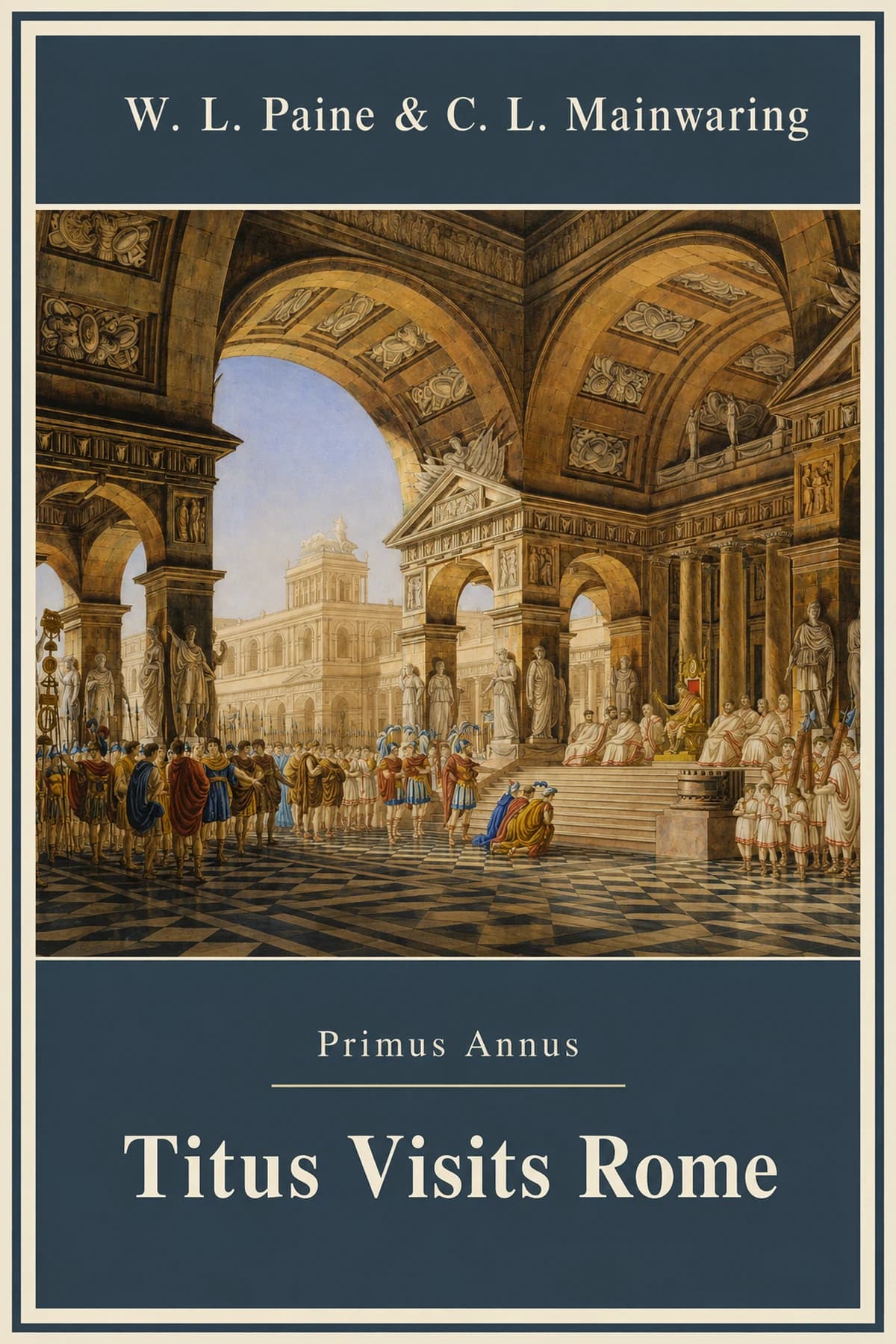
The book
A Latin first year from 1912.
W. L. Paine and C. L. Mainwaring wrote Primus Annus at Whitgift School, Croydon, and the Clarendon Press published it in 1912. It belongs to a circle of direct-method books that also includes Decem Fabulae (by Paine, Mainwaring and E. Ryle) and Puer Romanus, whose preface names Primus Annus as the first-year reader to finish before theirs.
The readings start with what is in front of you: a map, a classroom, a desk. They move out to the farm, the army and the city. Thirteen-year-old Titus makes his first visit to Rome; a bad pupil named Brutus misbehaves; British boys meet Gallic ambushes; Romulus and Remus found the city. The last readers tell Roman history from Hannibal to Caesar.
What you get
Fifteen readers, about 7,000 words.
What you get is the reading: every passage and story, with a definition, lemma and form on every word. What you don’t get is the book’s grammar section, its word indexes or its exercises. Some passages keep their one-line Latin topic heading as printed, but there is nothing to do except read.
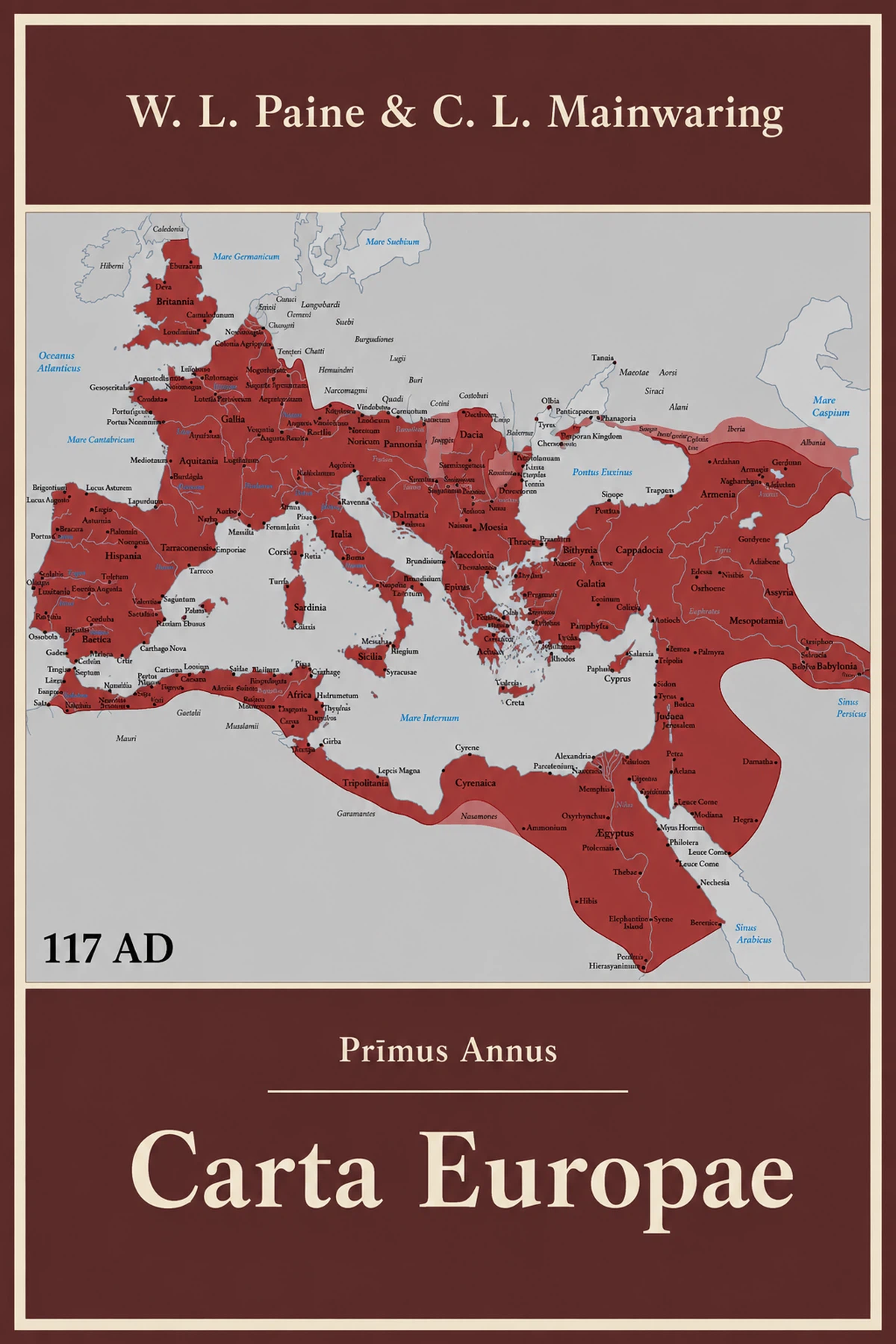
Carta Europae
Explore the lands, islands, rivers, and peoples of Europe through exceptionally simple Latin built around a map.
Hours and Days
A beginner-friendly introduction to telling time in Latin, following the hours of the Roman day and watches of the night.
Classroom Commands
Enter a Latin classroom where commands, questions, movement, and objects make the meaning clear from context.
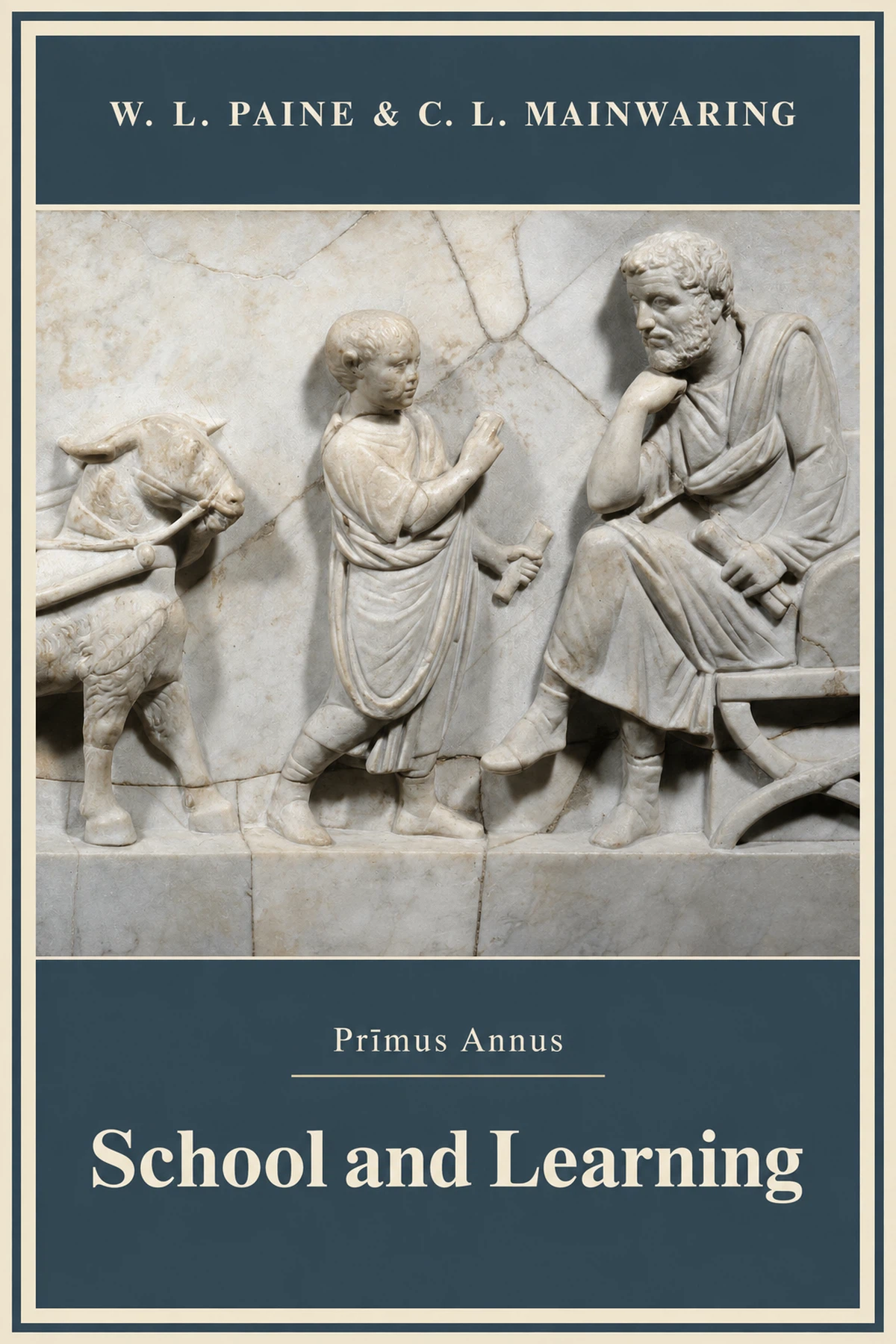
School and Learning
Books, desks, teachers, pupils, games, and classroom life provide a concrete introduction to everyday Latin.
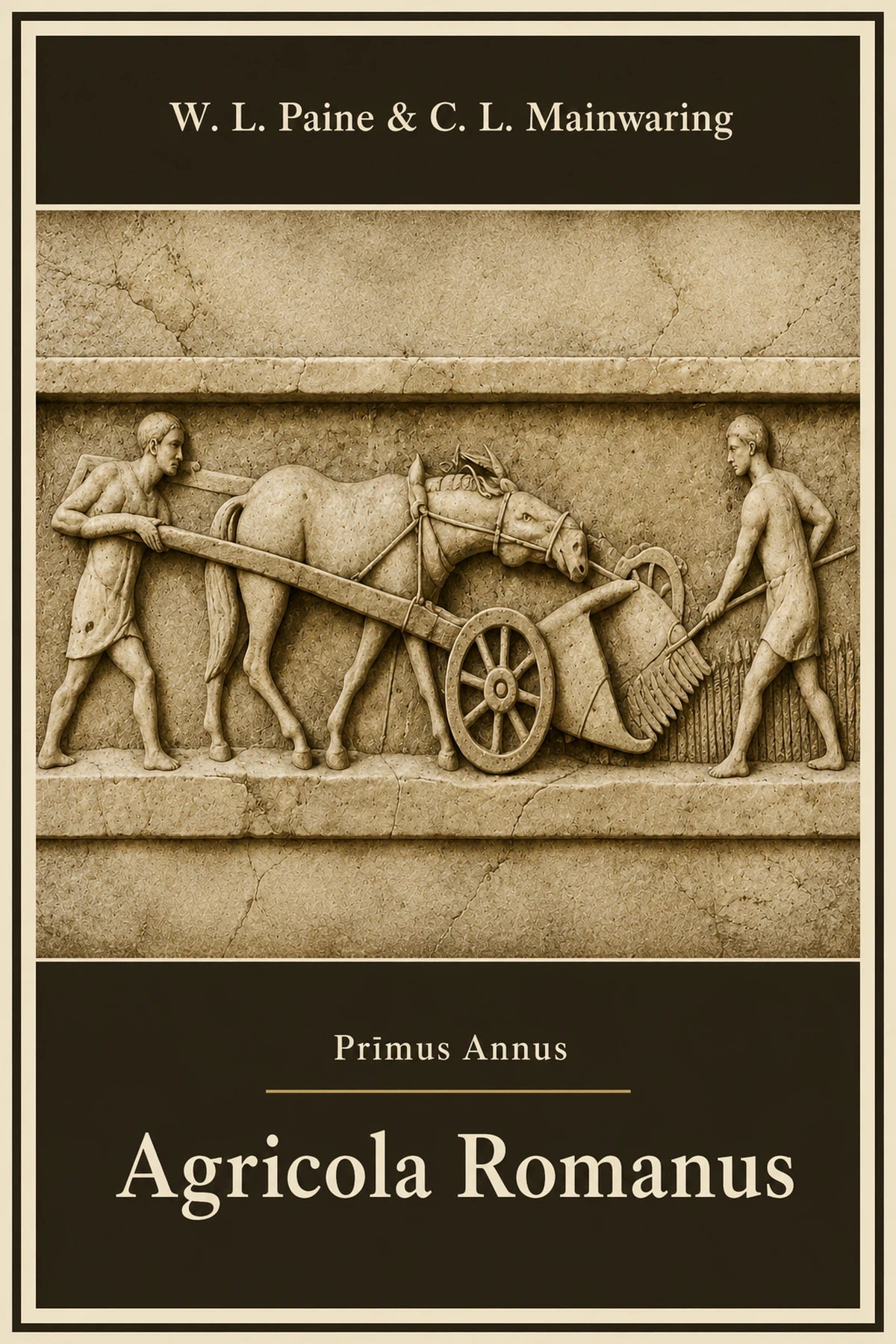
Agricola Romanus
Fields, rivers, hills, sailors, and farmers introduce the landscape and working life of the Roman world.
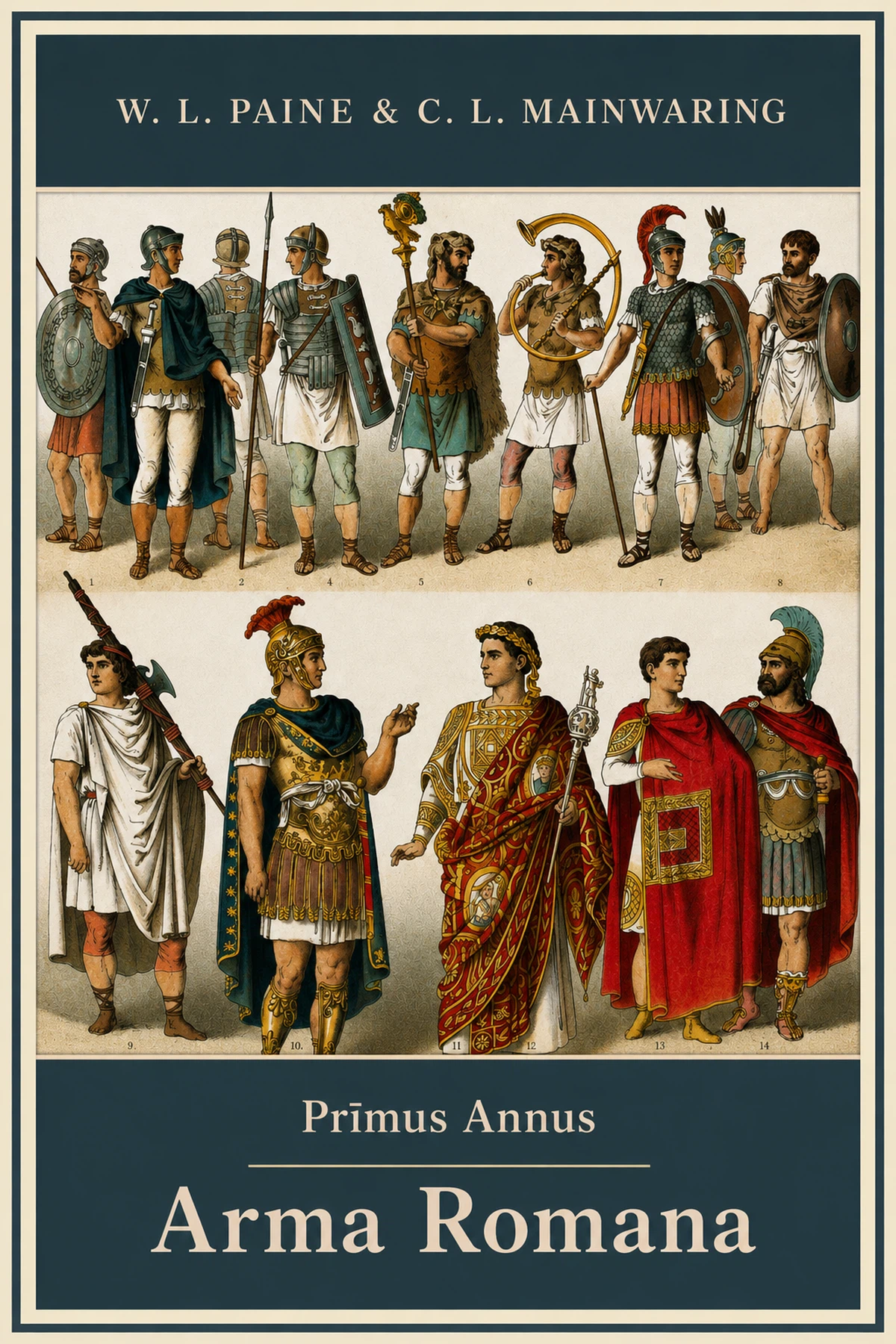
Arma Romana
Discover a Roman camp and the armor, weapons, and equipment carried by Roman soldiers.
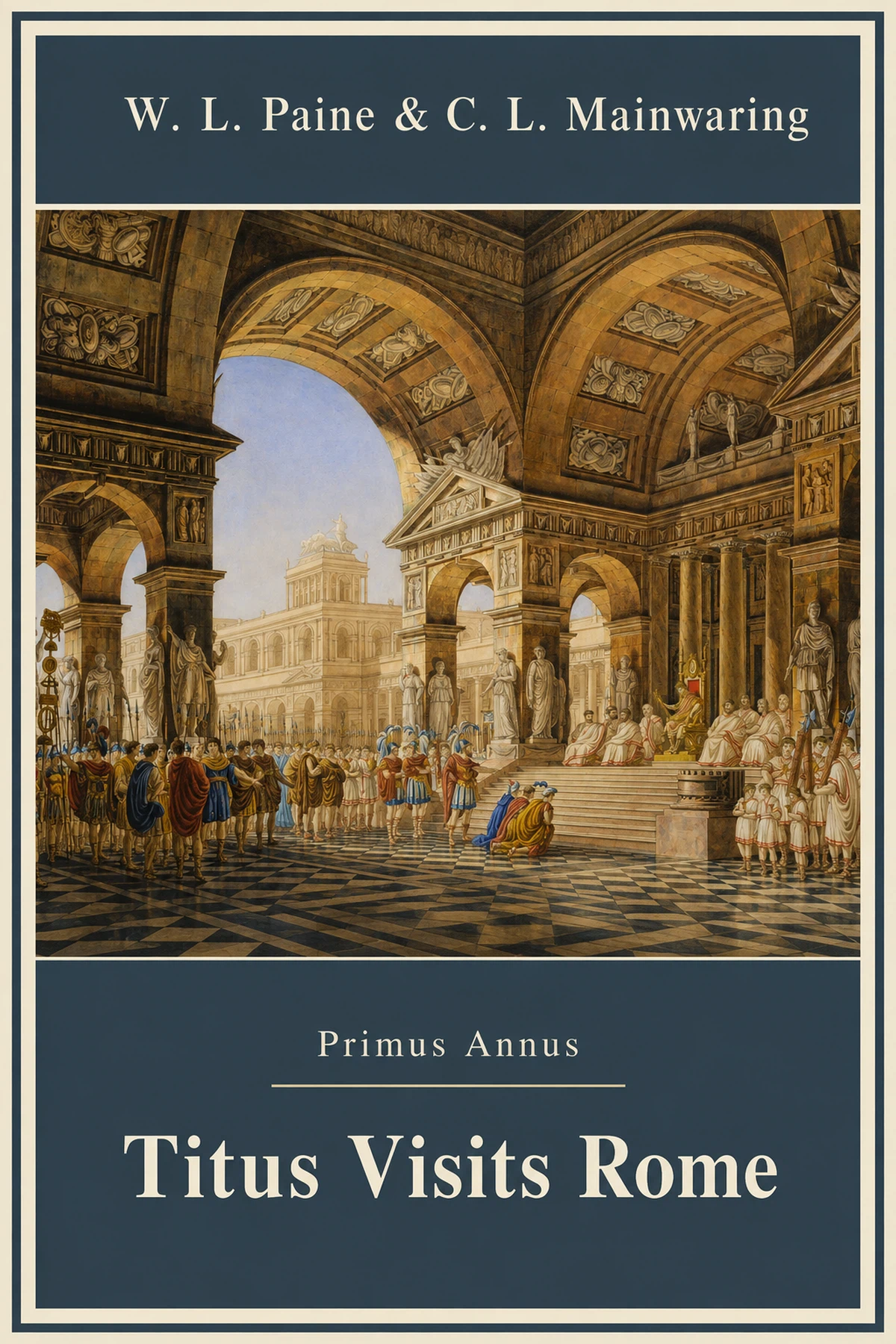
Titus Visits Rome
A thirteen-year-old boy leaves the countryside with his father for his first visit to Rome.
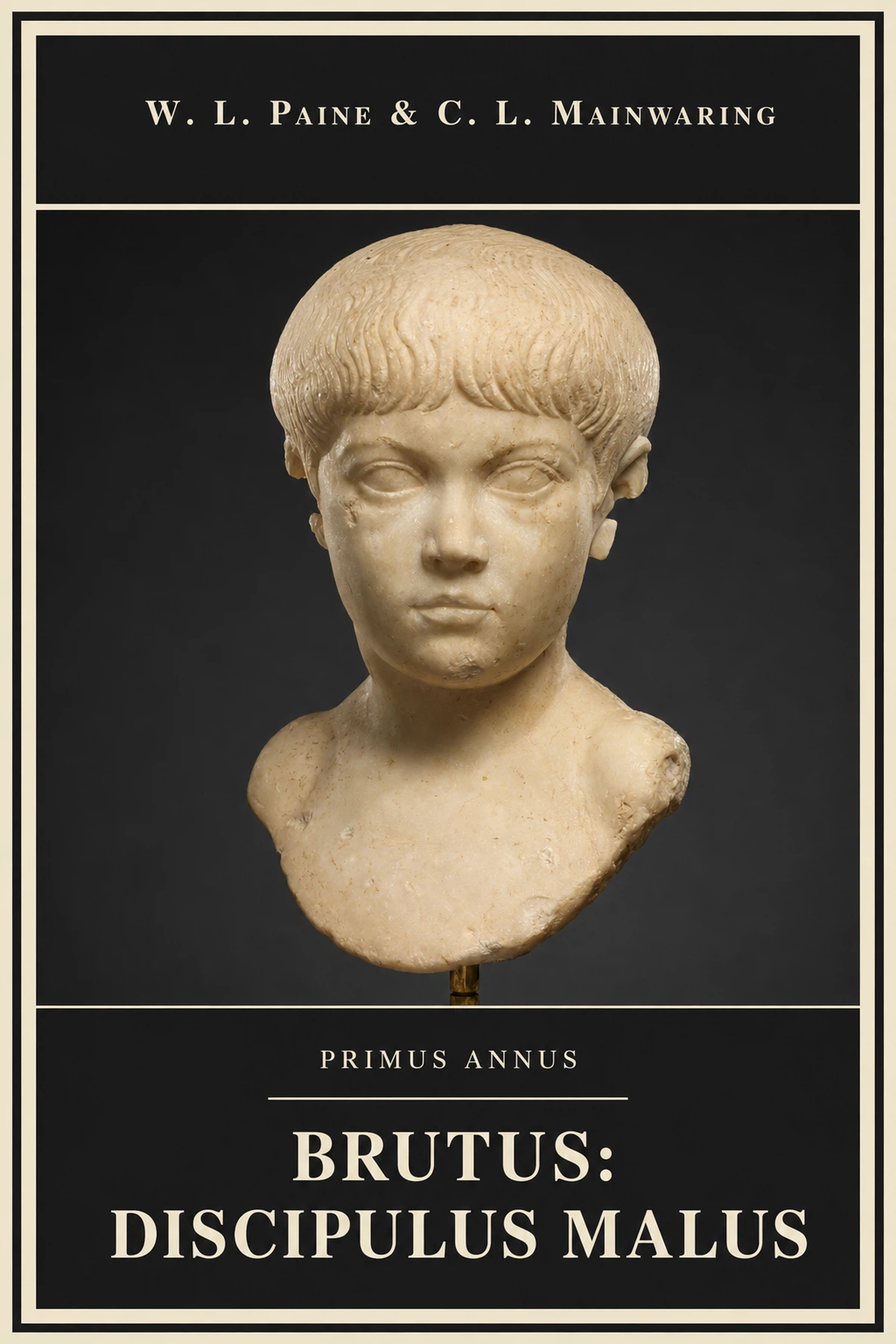
Brutus: Discipulus Malus
A badly behaved pupil brings humor and personality to a pair of lively Latin classroom scenes.
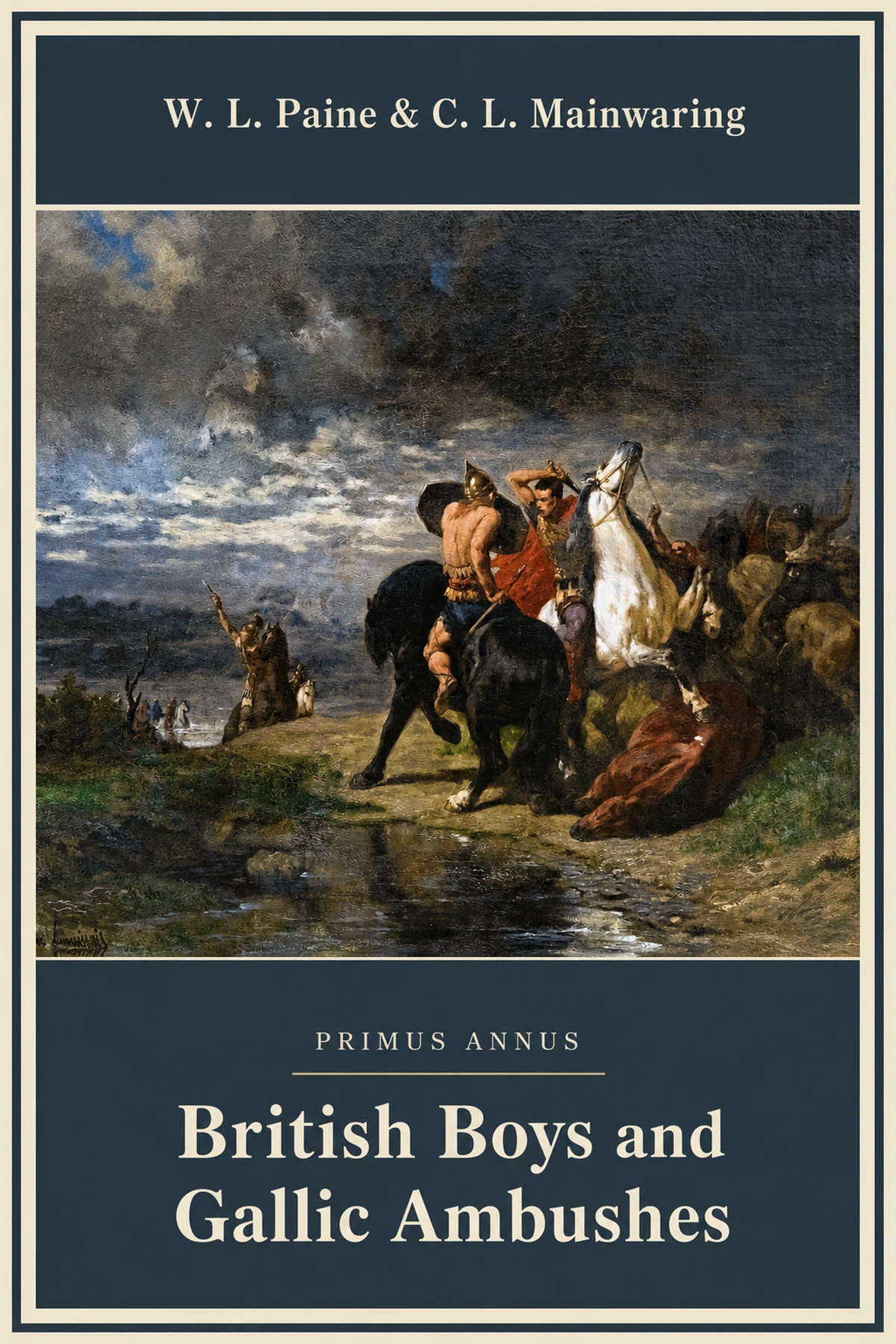
British Boys and Gallic Ambushes
Young lives in Britain and the Roman world open into travel, danger, fighting, and increasingly sustained storytelling.
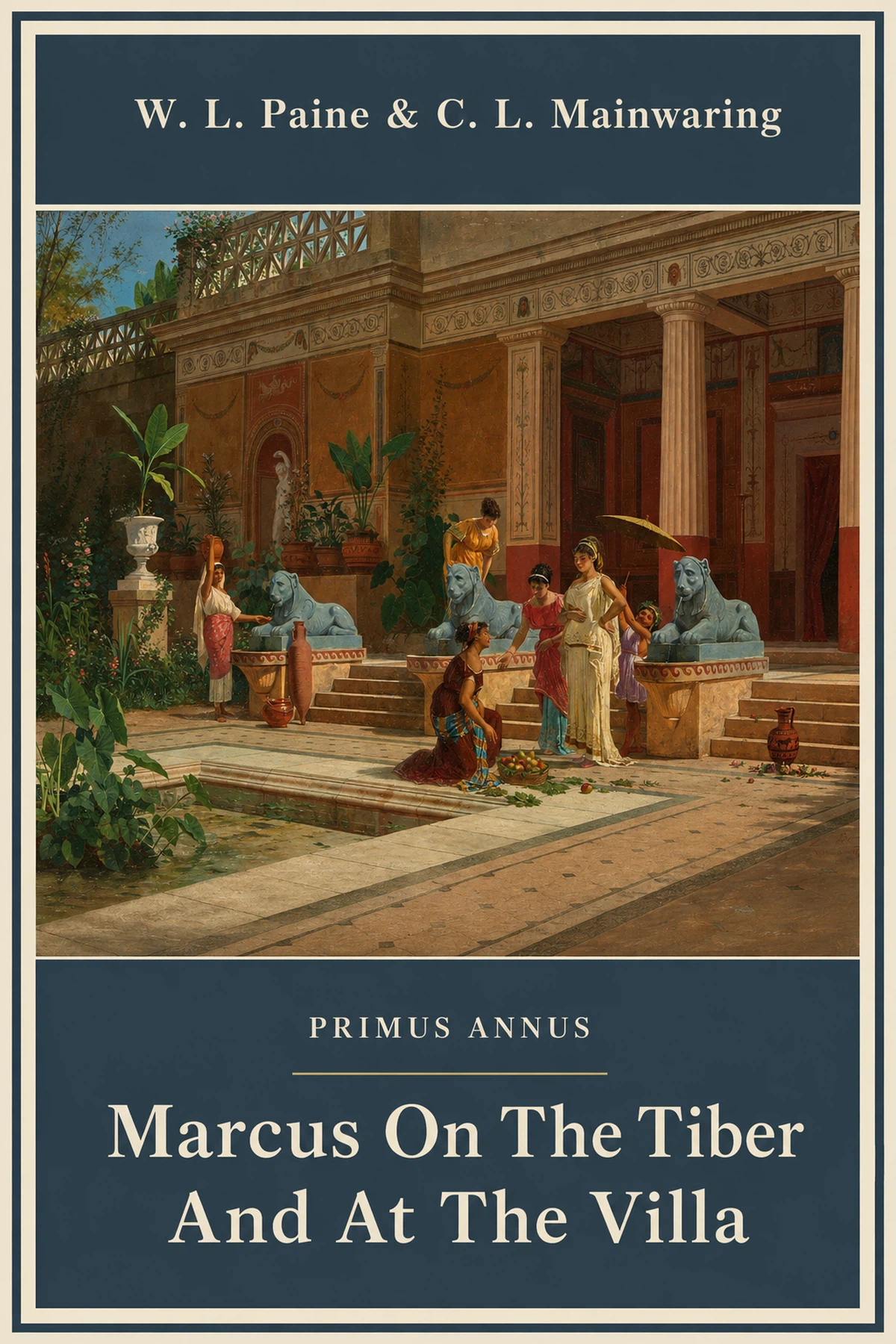
Marcus On The Tiber And At The Villa
Marcus describes Cornelius, his family, and the wealthy countryside that will become an important setting in later stories.
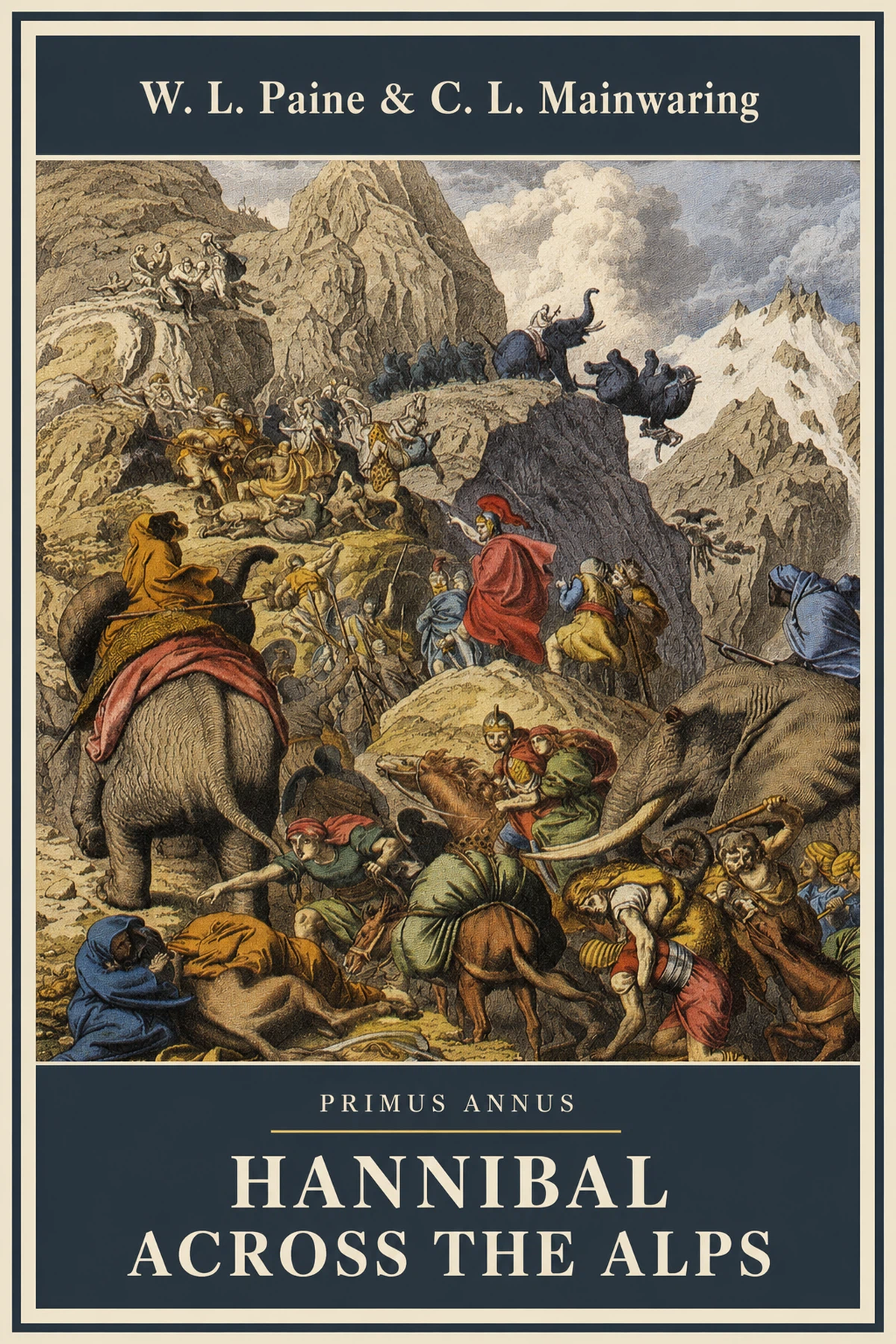
Hannibal Across the Alps
Hannibal leads his army across the Alps while Romans wonder whether anything can stop the Carthaginian advance.
Life at Villa Corneliana
Marcus explores a Roman country estate through animals, farming, conversation, and the daily life of Villa Corneliana.
Romulus, Remus, and the Roman Army
Rome's legendary beginnings lead into stories of Roman soldiers, courage, discipline, and the army that made the city powerful.
Caesar: Alesia to the Ides
From Caesar's victories in Gaul to his growing power at Rome, the story moves toward the danger of the Ides of March.
Marcus at Home
Home, family, food, gardens, and mythology bring *Primus Annus* to a warm and varied conclusion.
A taste of the Latin
Titus wants to see Rome.
Tap any word for its meaning, lemma and form:
Primus Annus · Titus Rōmam vīsit
Tap a word — or reveal the translation.
Difficulty
From first words to real history.
The readers climb from 1.6 to 3.3 on Librorum Capsula’s 1–11 scale, so the whole book is beginner reading. After it, Pons Tironum (4.05) and then Puer Romanus (4.3) are the next steps. Start earlier with Initium (1.3) if Primus Annus feels like a jump.