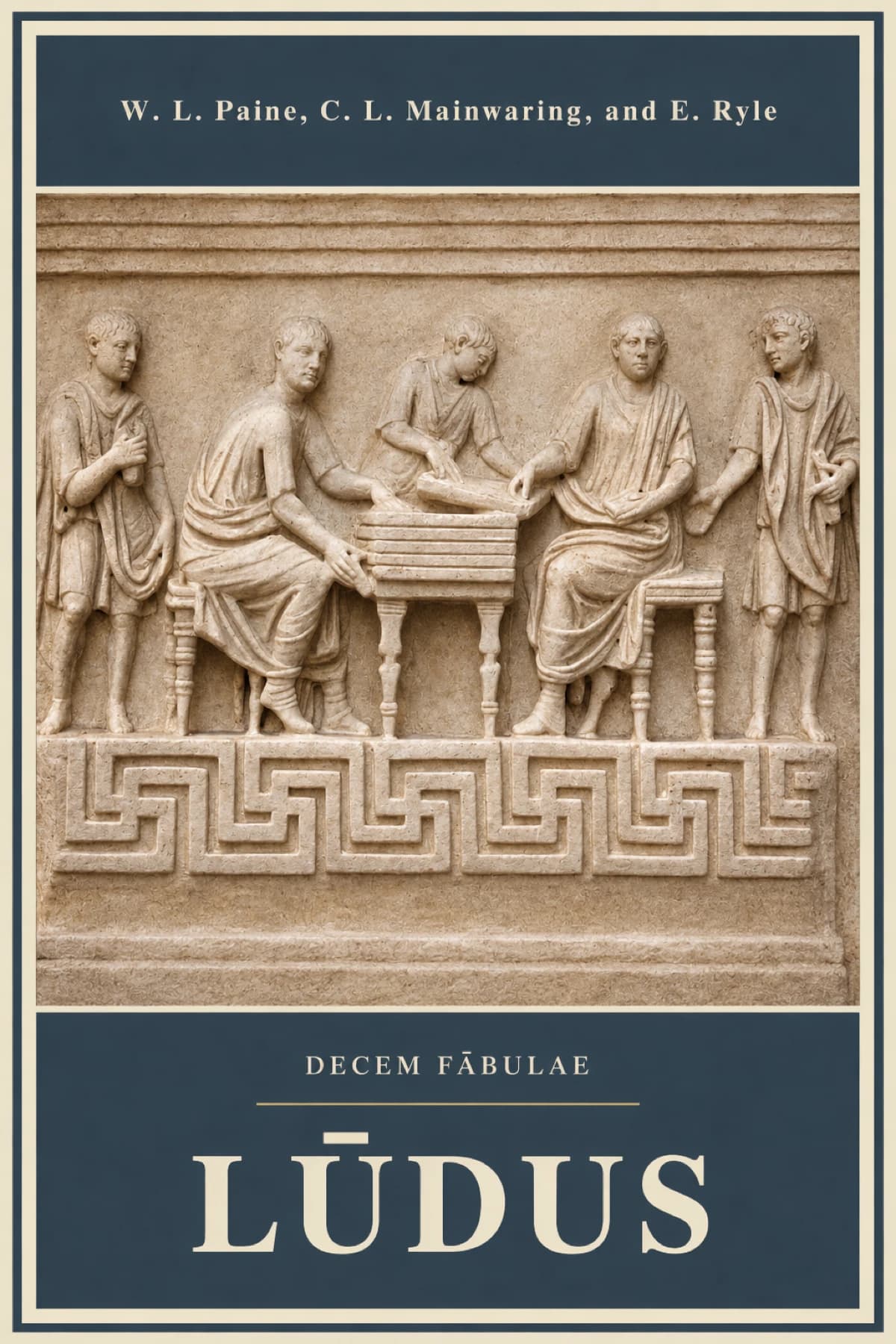
The book
Ten plays for boys and girls to act.
The full title is Decem Fabulae Pueris Puellisque Agendae, “ten plays for boys and girls to act”. W. L. Paine, C. L. Mainwaring and E. Ryle wrote them, W. H. D. Rouse wrote the preface, and the Clarendon Press published them in 1912. Paine and Mainwaring also wrote Primus Annus.
Two are school comedies. In Ludus the master Orbilius waits for his pupils with a cane in one hand and a book in the other, and Medicus is about a boy faking illness to stay home. The rest are stories every Latin reader should know: Pyramus and Thisbe, Horatius at the bridge, Theseus, Ulysses with Circe and with Polyphemus, the return to Ithaca, the fall of Troy, and a two-scene drama of Verres stealing a family’s silver and facing trial.
What you get
All ten plays, about 15,000 words.
Each play keeps its cast list, its scene headings and its stage directions, so you can always see who is speaking and where. What you get is the reading: every scene, speech and stage direction, with a definition, lemma and form on every word. What you don’t get is classroom instructions or exercises. It is the plays, to read.
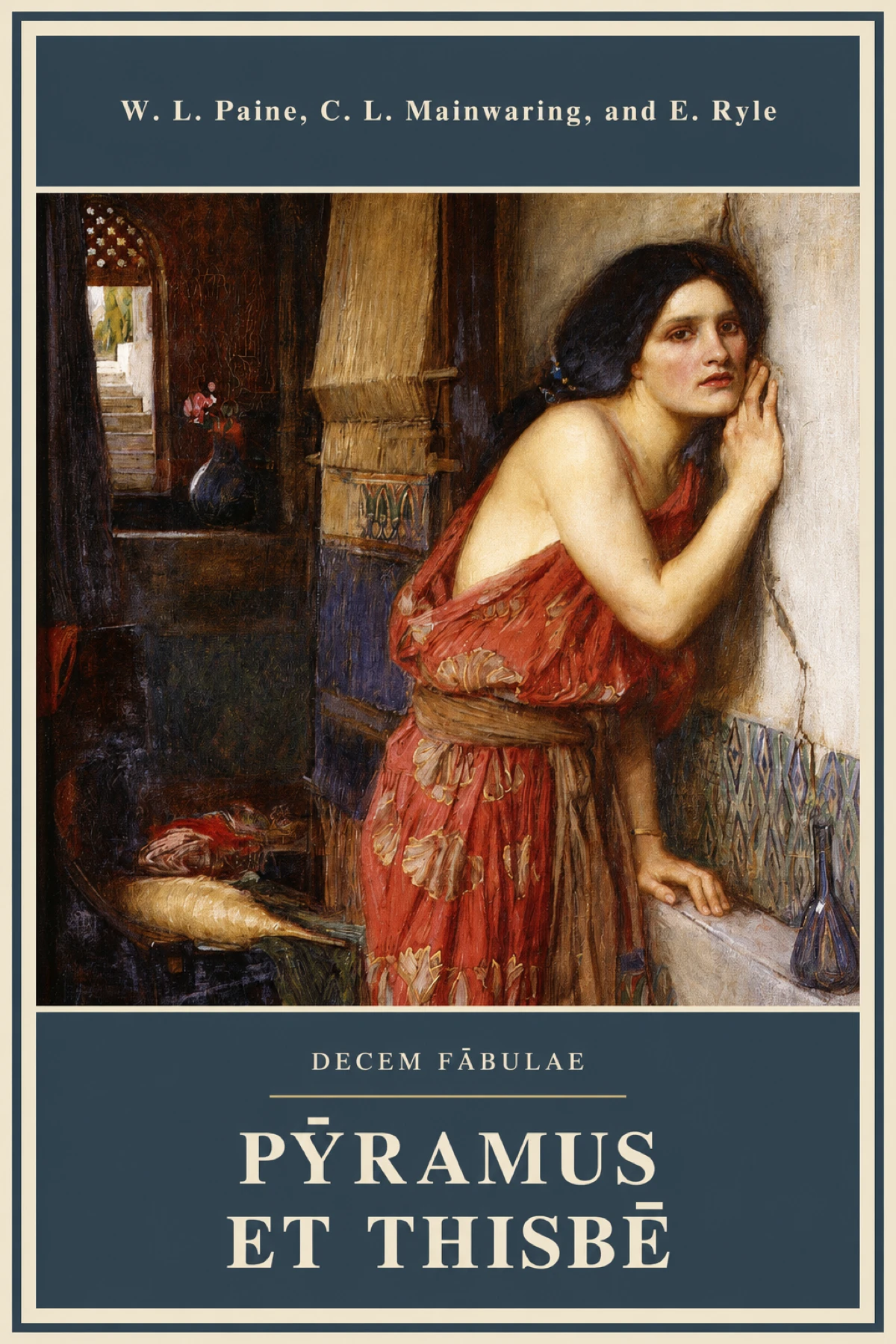
Pyramus et Thisbe
A short classroom play retelling the tragedy of Pȳramus and Thisbē, staged with the two lovers' houses played by a line of numbered walls.
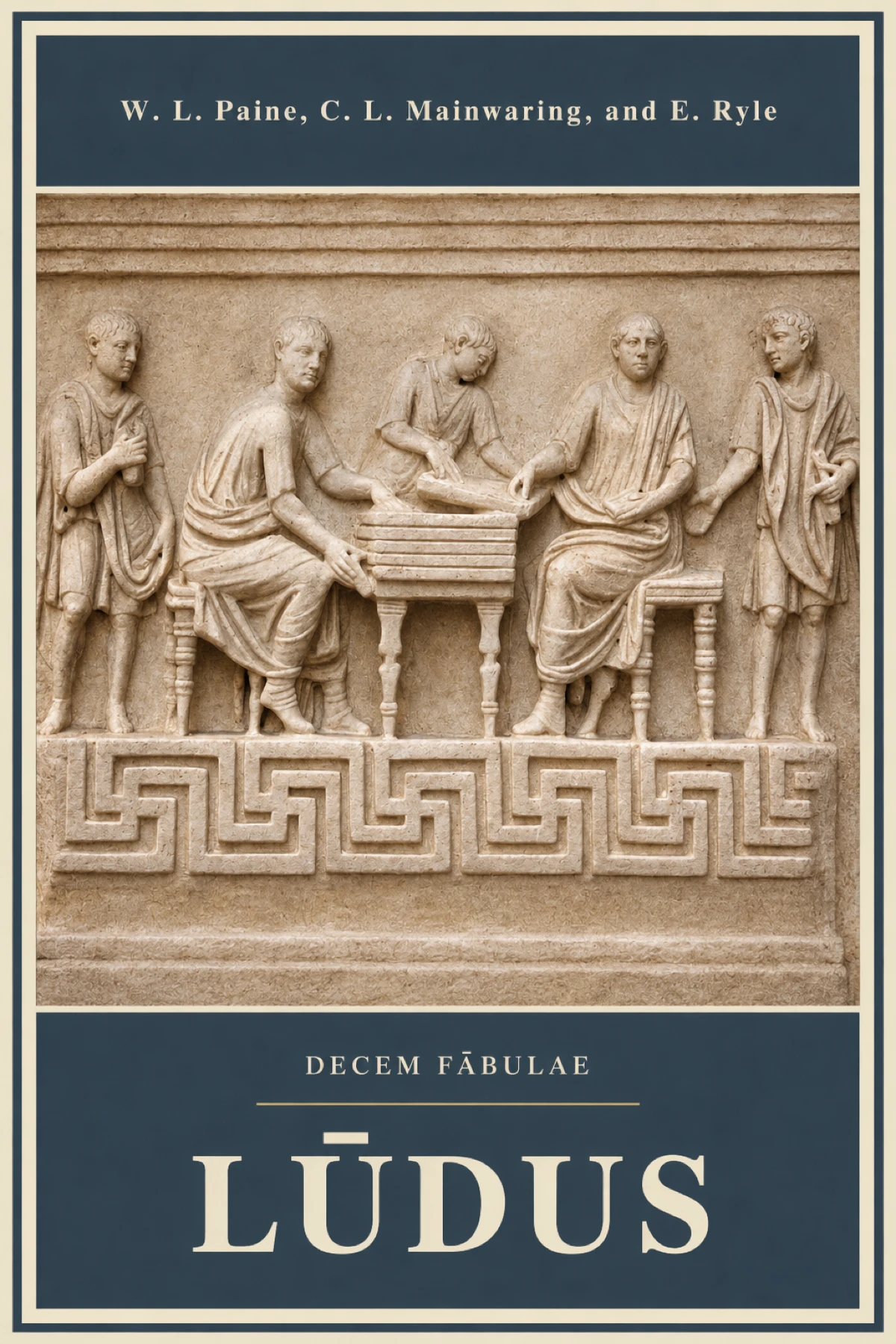
Ludus
A short classroom play set in a Roman school, with a strict teacher and his mischievous students.
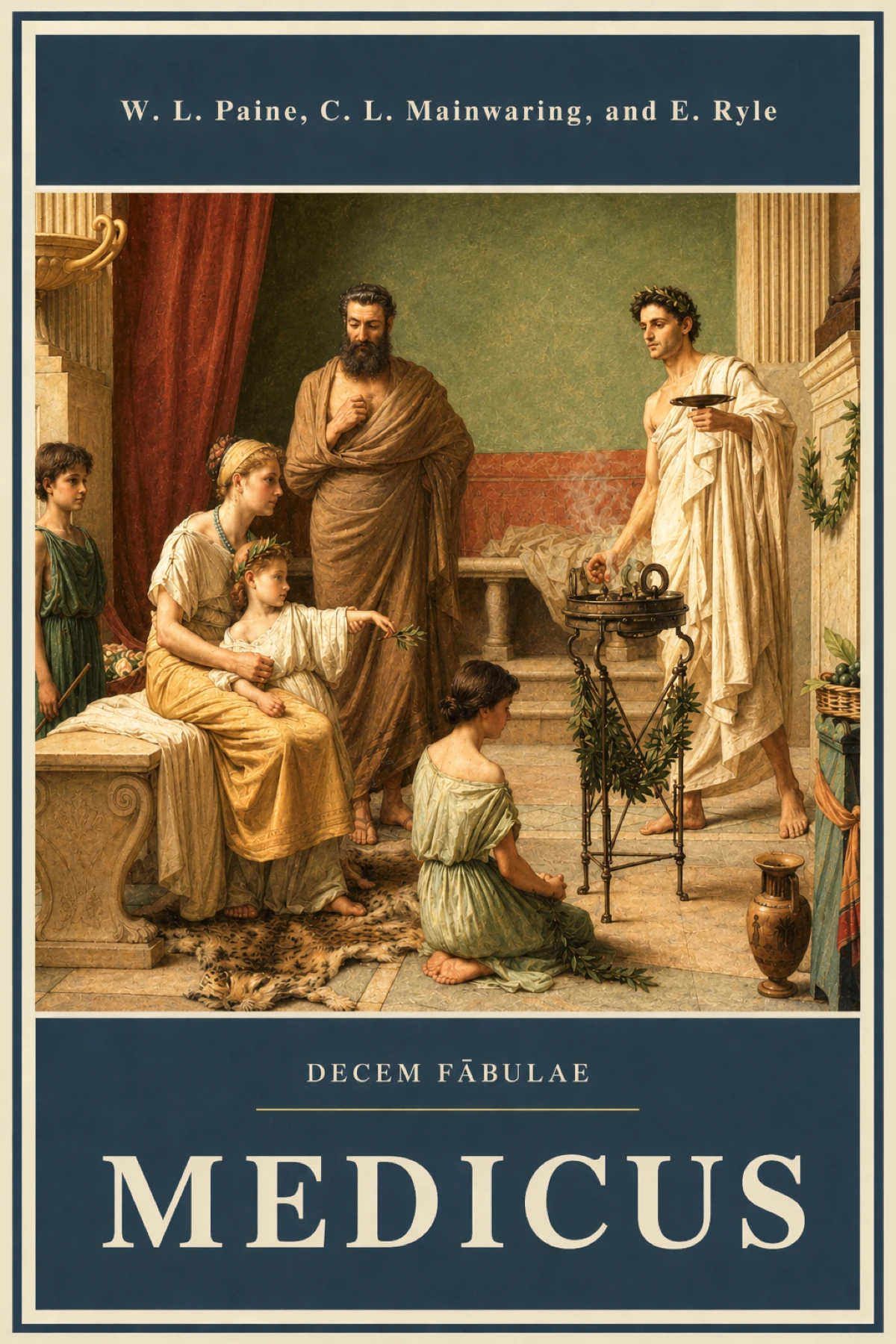
Medicus
A short classroom play about a boy who feigns illness to avoid going to school.
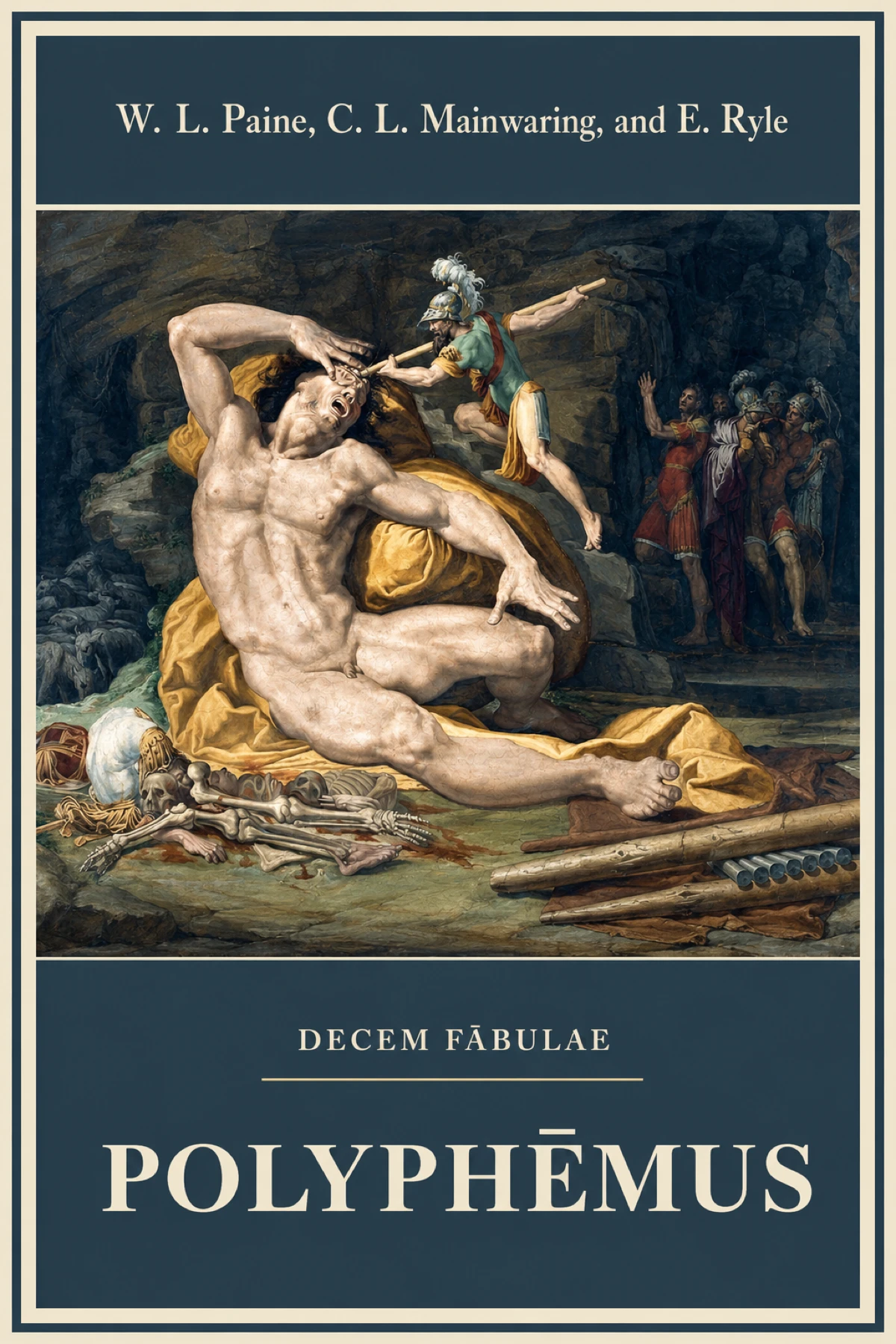
Polyphemus
A short play retelling Ulysses and his men's escape from the Cyclops Polyphemus.
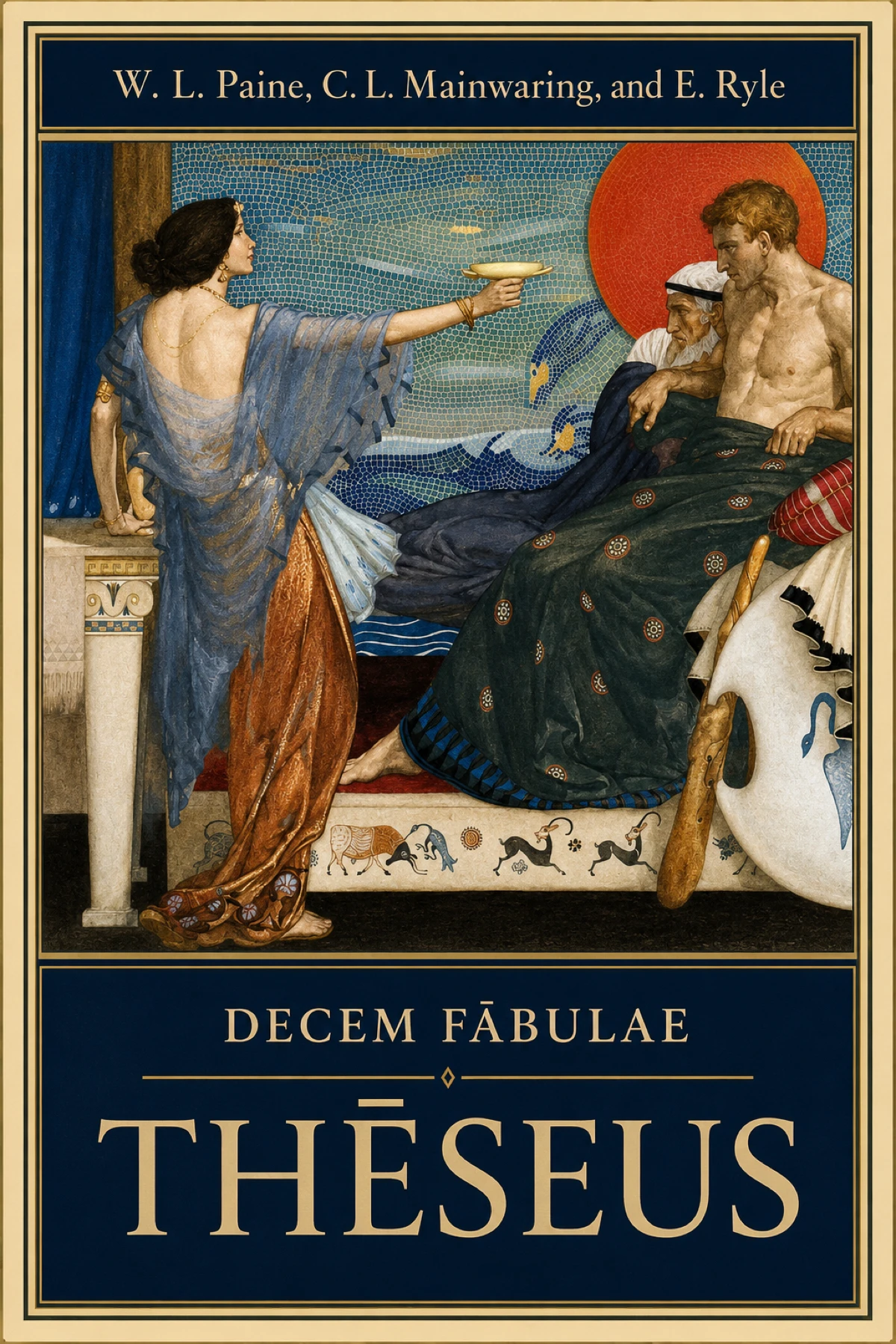
Theseus
A short play retelling Theseus's arrival in Athens and the exposure of Medea's plot against him.
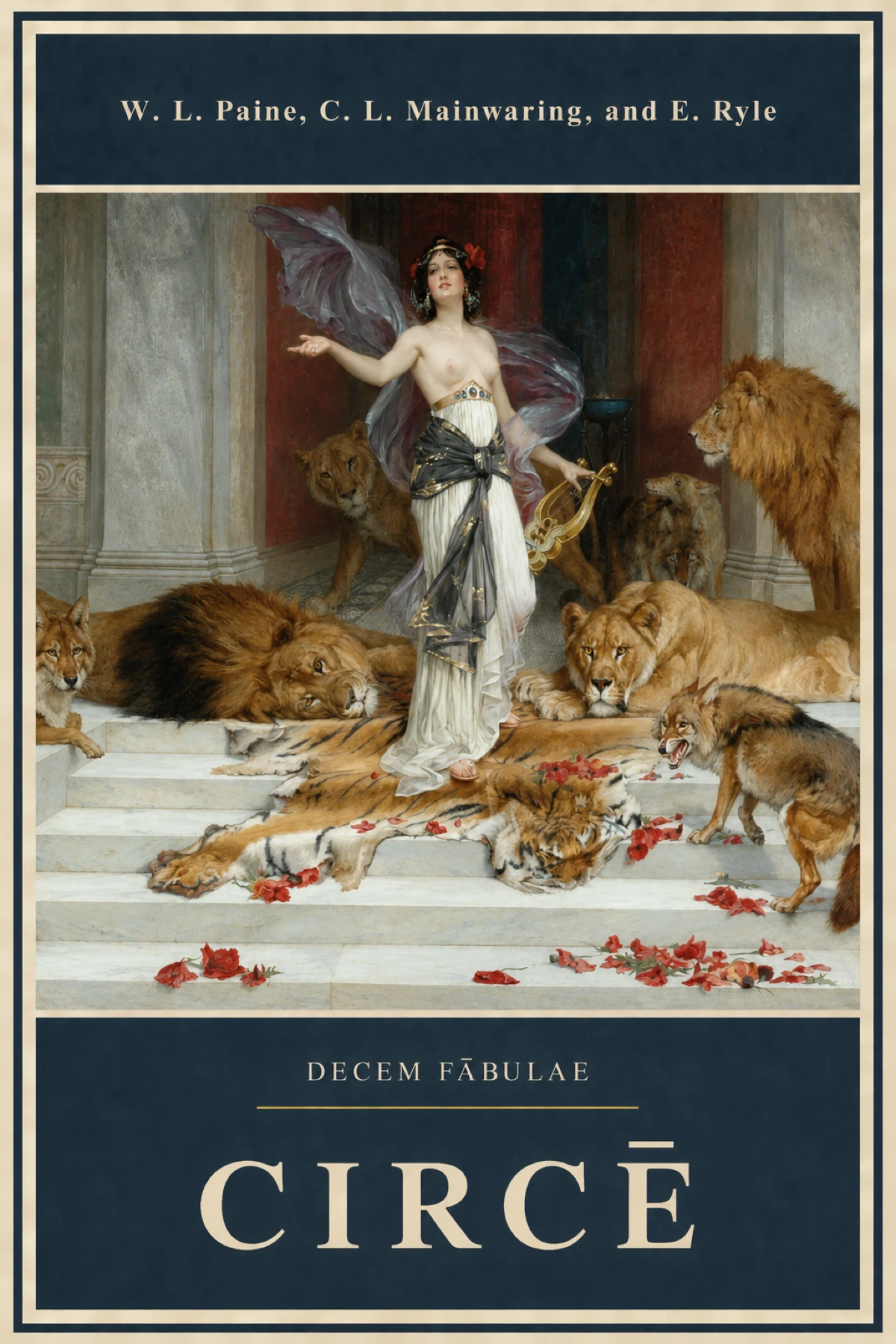
Circe
A short play retelling Ulysses and his men's encounter with the enchantress Circe.
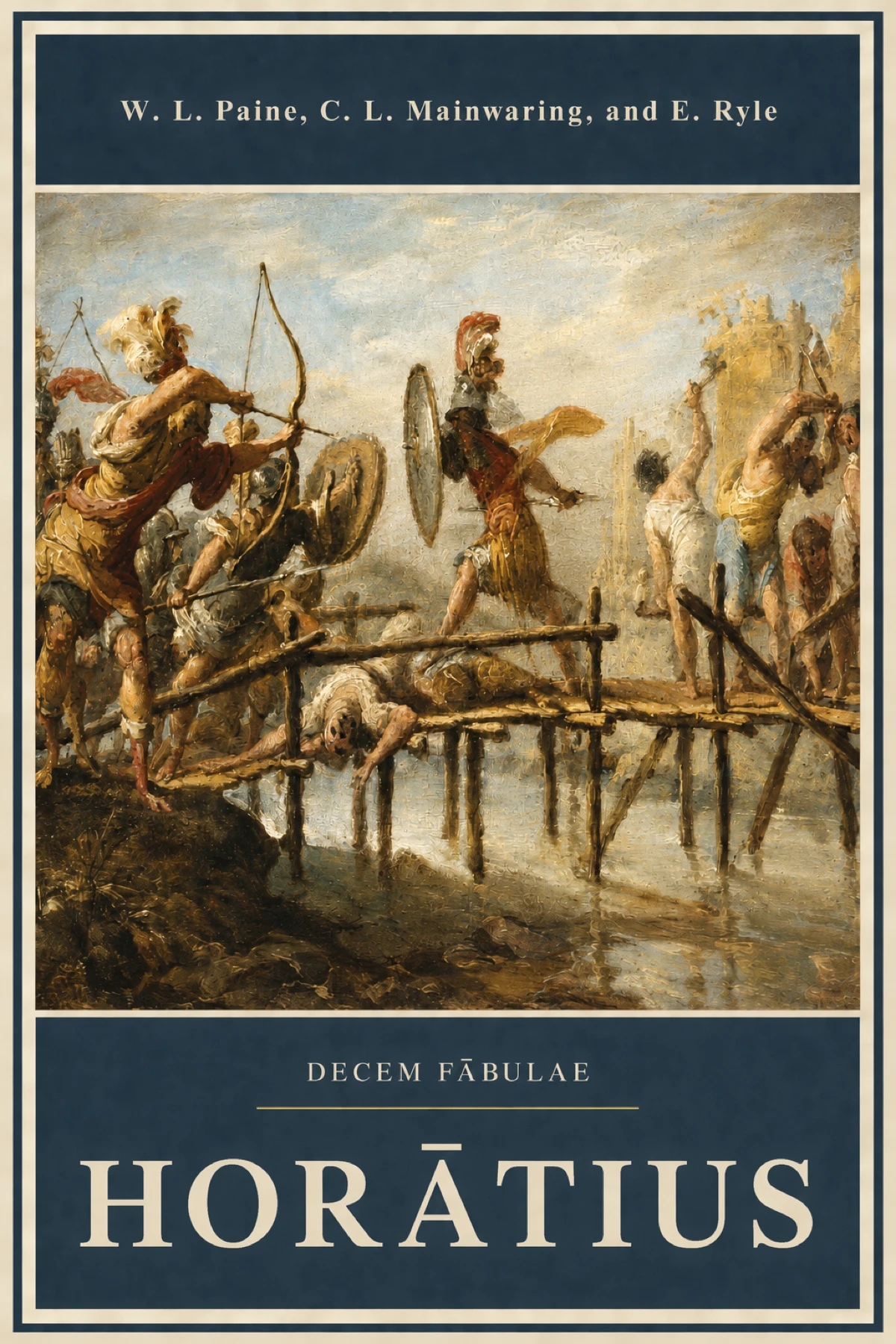
Horatius
A short play dramatizing Horatius Cocles' defense of the Sublician Bridge against the invading Etruscans.
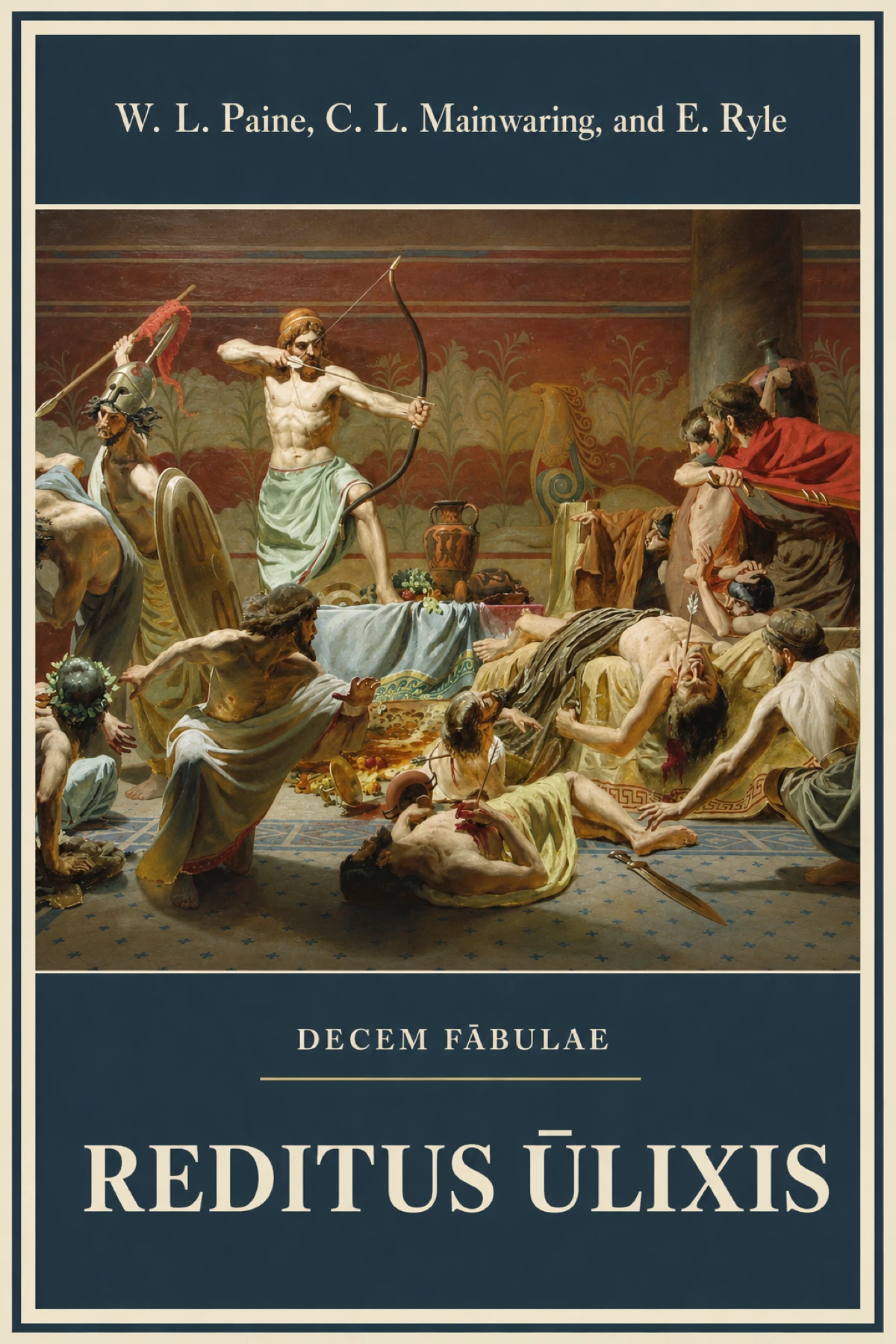
Reditus Ulixis
A short play retelling Ulysses' homecoming to Ithaca and his revenge on Penelope's suitors.
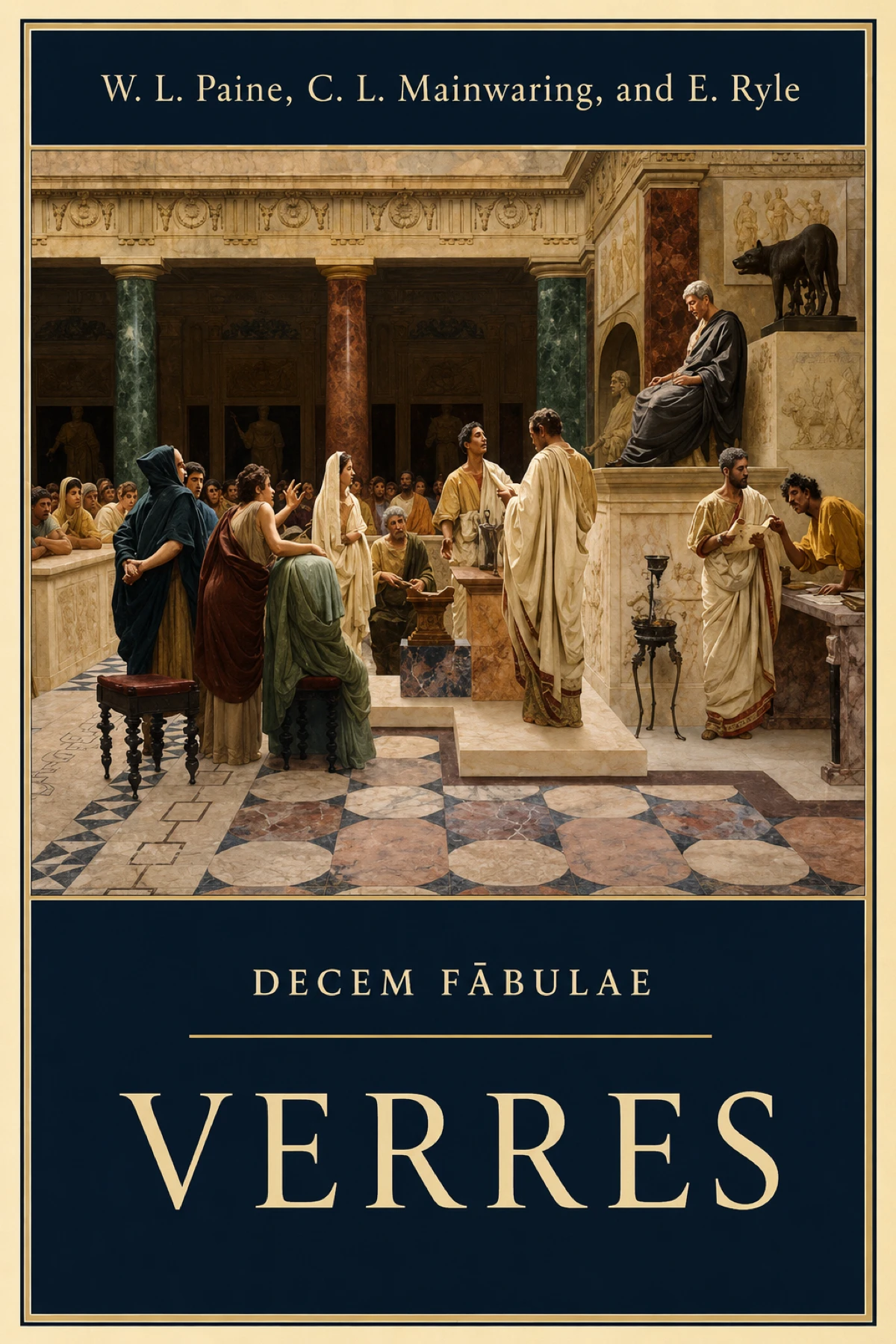
Verres
A two-scene play dramatizing the corrupt governor Verrēs's theft of a household's silver and his eventual trial.
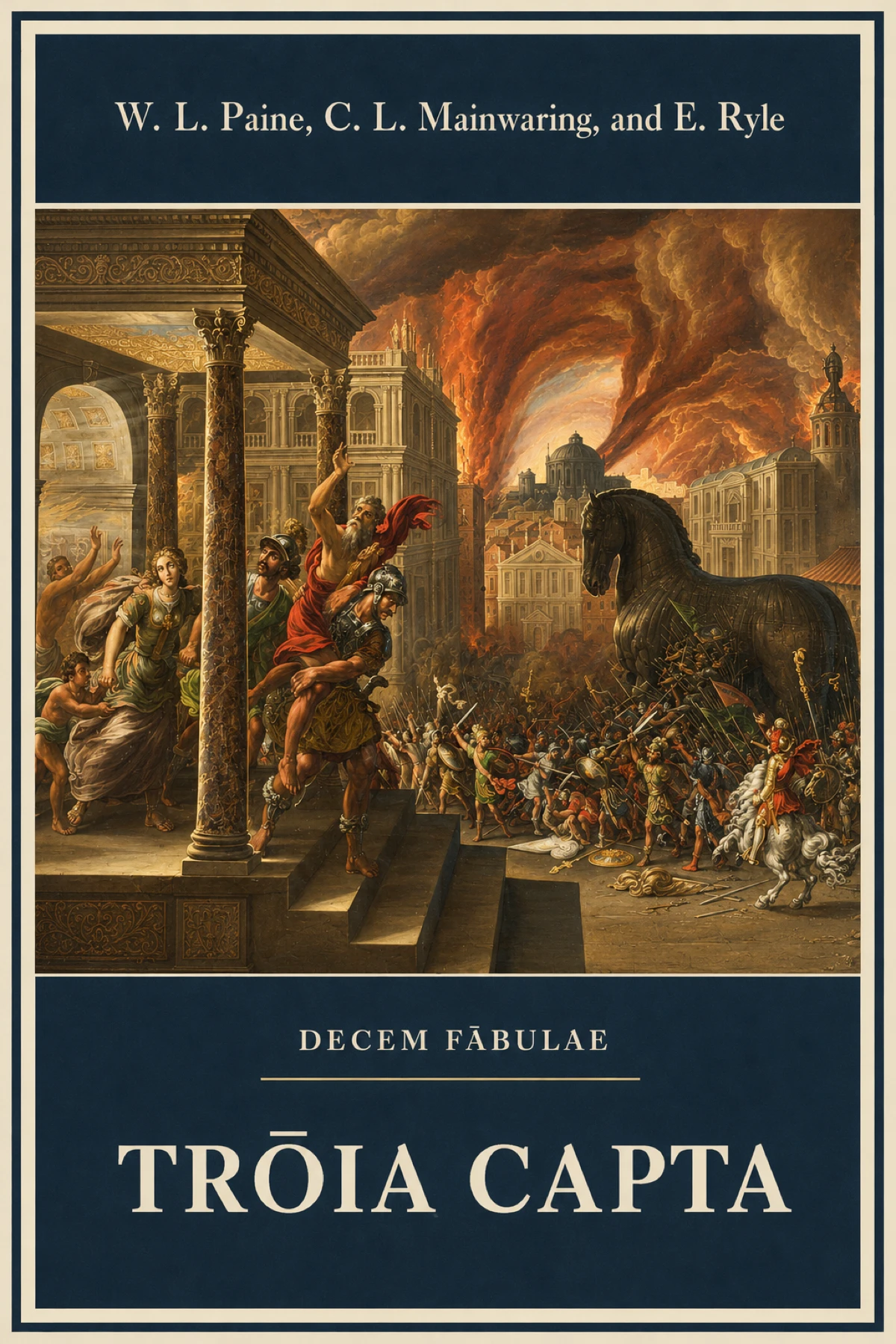
Troia Capta
A short play retelling the fall of Troy and the ruse of the wooden horse.
A taste of the Latin
The master is waiting.
Tap any word for its meaning, lemma and form. This is the opening stage direction of Ludus. Orbilius is also the name of Horace’s own schoolmaster, whom the poet remembered for his beatings.
Decem Fabulae · Ludus
Tap a word — or reveal the translation.
Reading drama
Short speeches, real conversation.
Plays are some of the easiest Latin to read for long stretches. Every speech is short, the speaker is named, and the stage directions tell you what is happening. The Latin is also conversation: questions, orders, insults and exclamations, the parts of the language that narrative passages rarely show. After the plays, Primus Annus gives the same authors’ first-year reader, and the Menaechmi guide shows real Roman comedy.