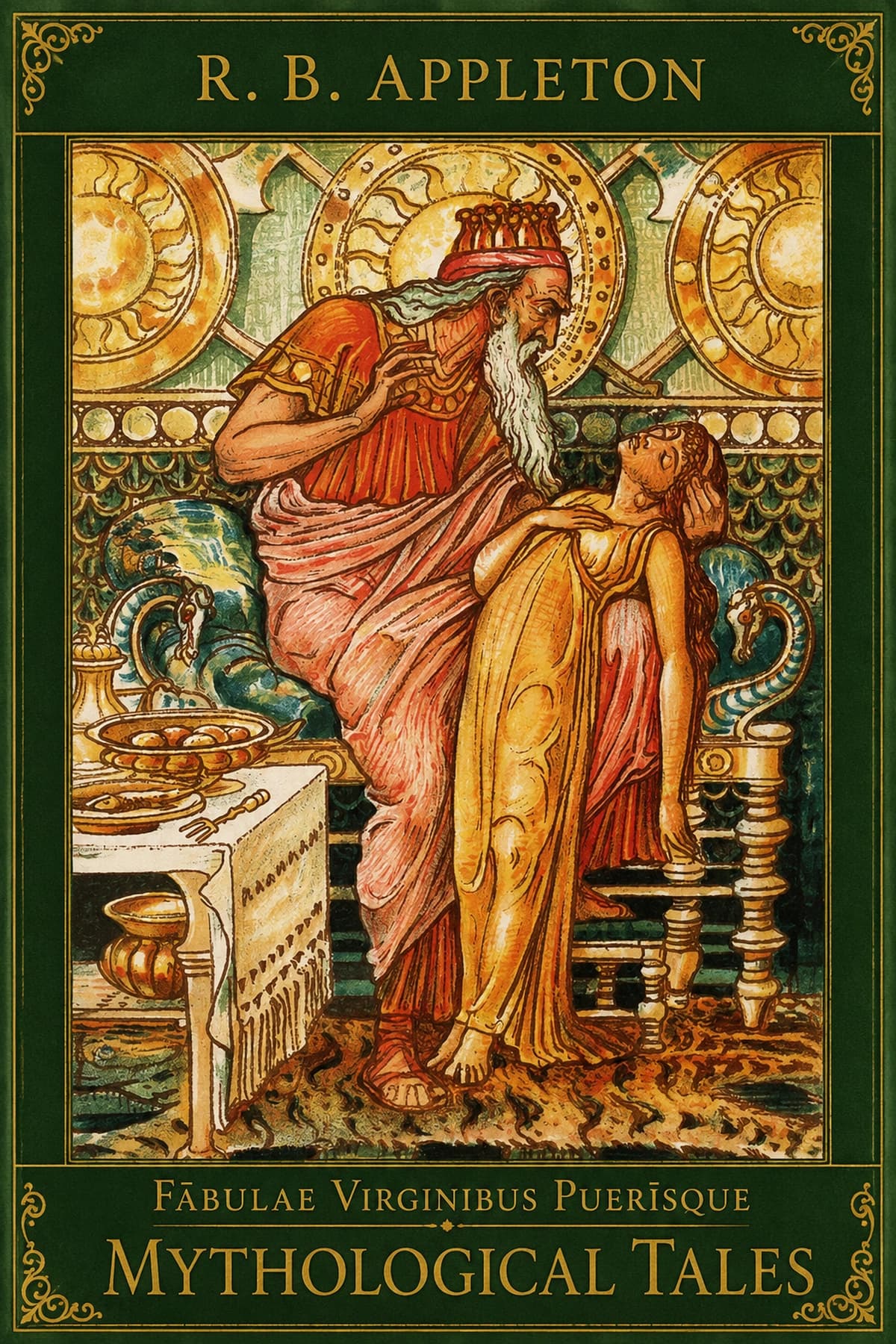
The book
Stories meant to be read aloud.
The full title is Fabulae Virginibus Puerisque aut Narrandae aut Recitandae, “stories for girls and boys, to be told or recited”. The phrase virginibus puerisque echoes the opening of Horace’s Roman Odes. R. B. Appleton, co-author of Pons Tironum and Puer Romanus, published it in 1914.
Most of it is very short stories, a paragraph or two each: gods and mortals, the Trojan War and its heroes, magic herbs and metamorphoses, philosophers and kings, greedy fools and clever animals. Longer pieces stand alone: Ulysses recounting his ten years of wandering in seven episodes, and two witch stories, De Sagis and Pamphile.
What you get
Eight readers, nearly 12,000 words.
What you get is the reading: all eight groups of stories, with a definition, lemma and form on every word. What you don’t get is classroom instructions or exercises. Just the stories.
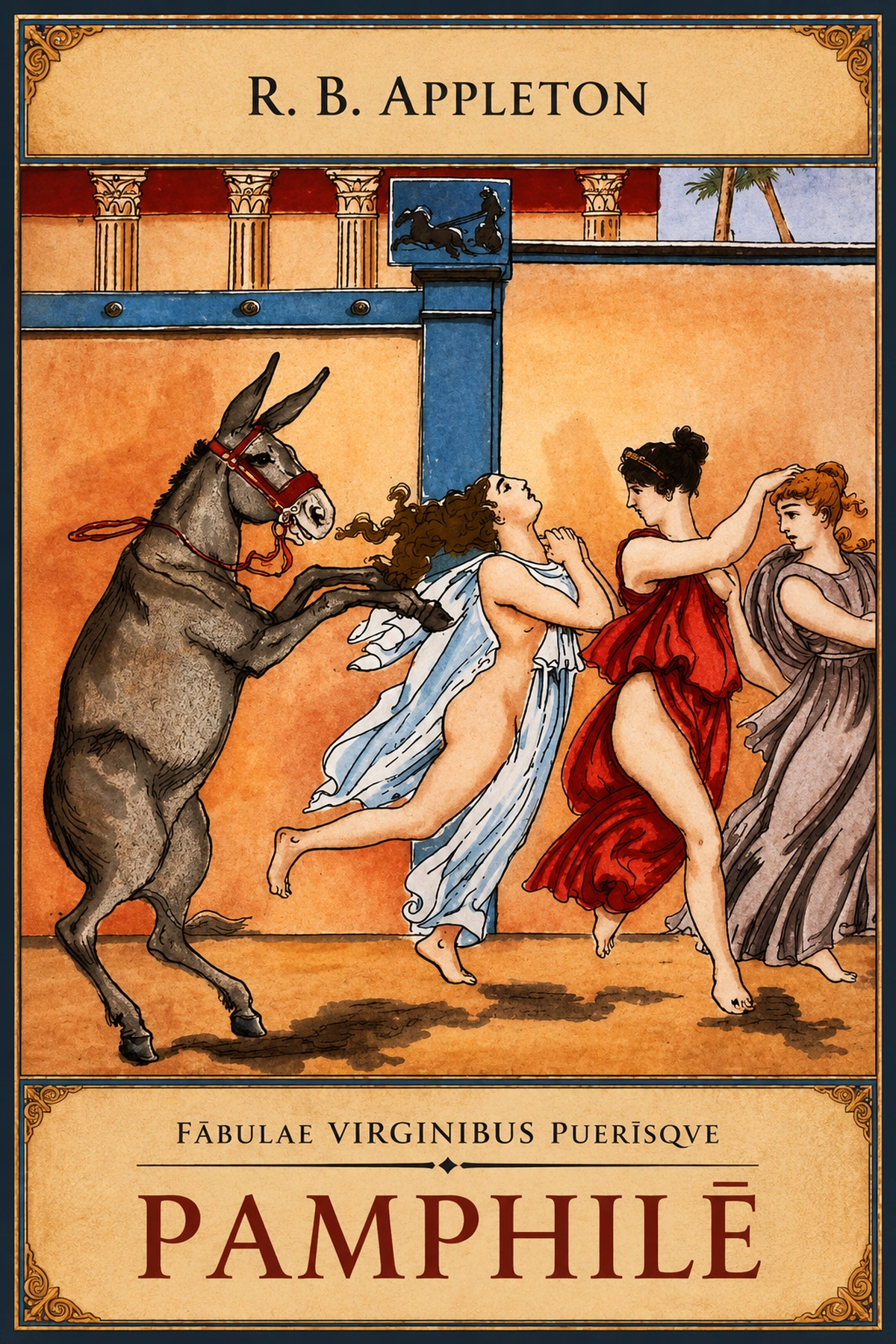
Pamphile
A young man spies on a witch's transformation spell, and his own attempt to copy it goes badly wrong.
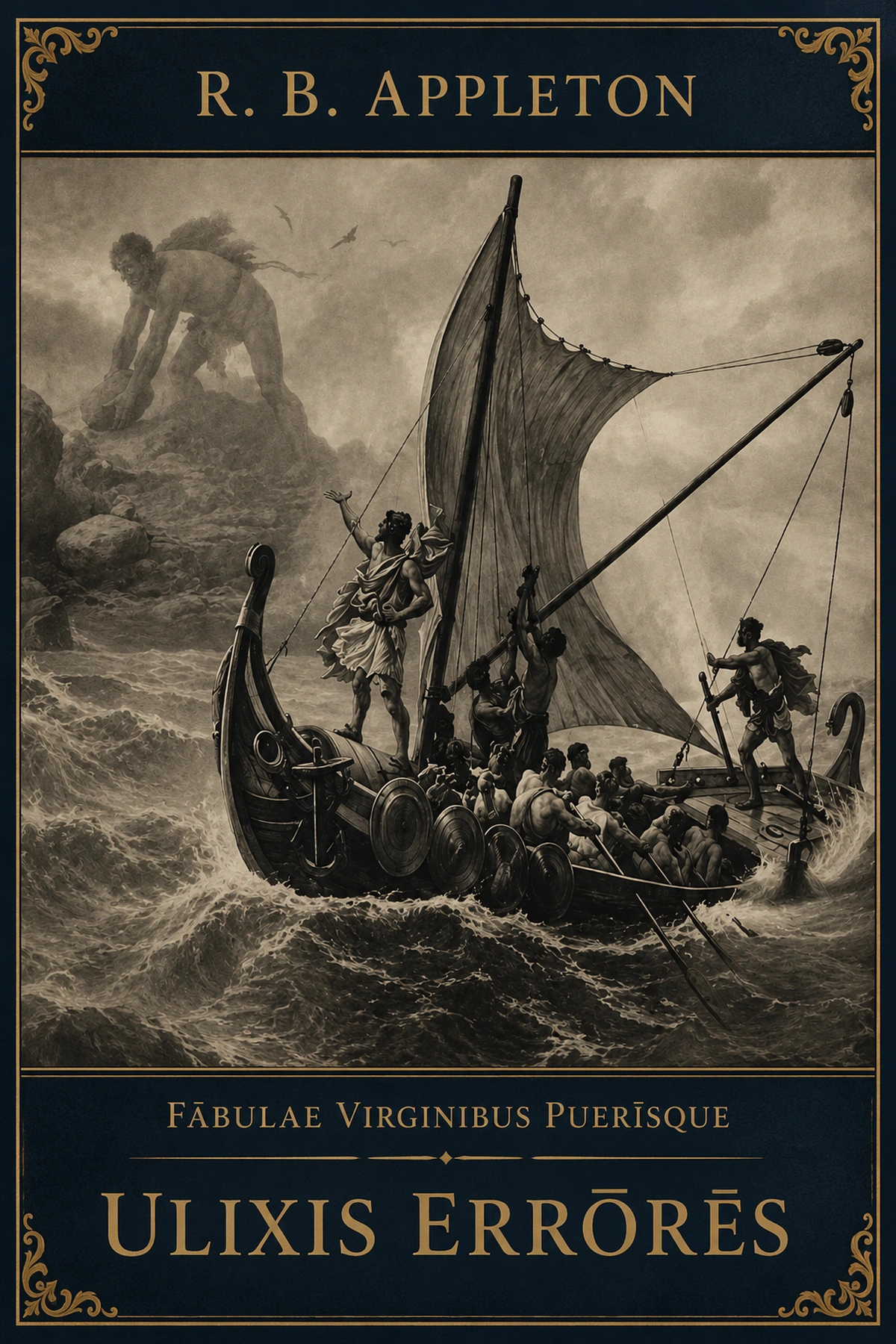
Ulixis Errores
Ulysses recounts his ten years of wandering after the fall of Troy, in seven short episodes.
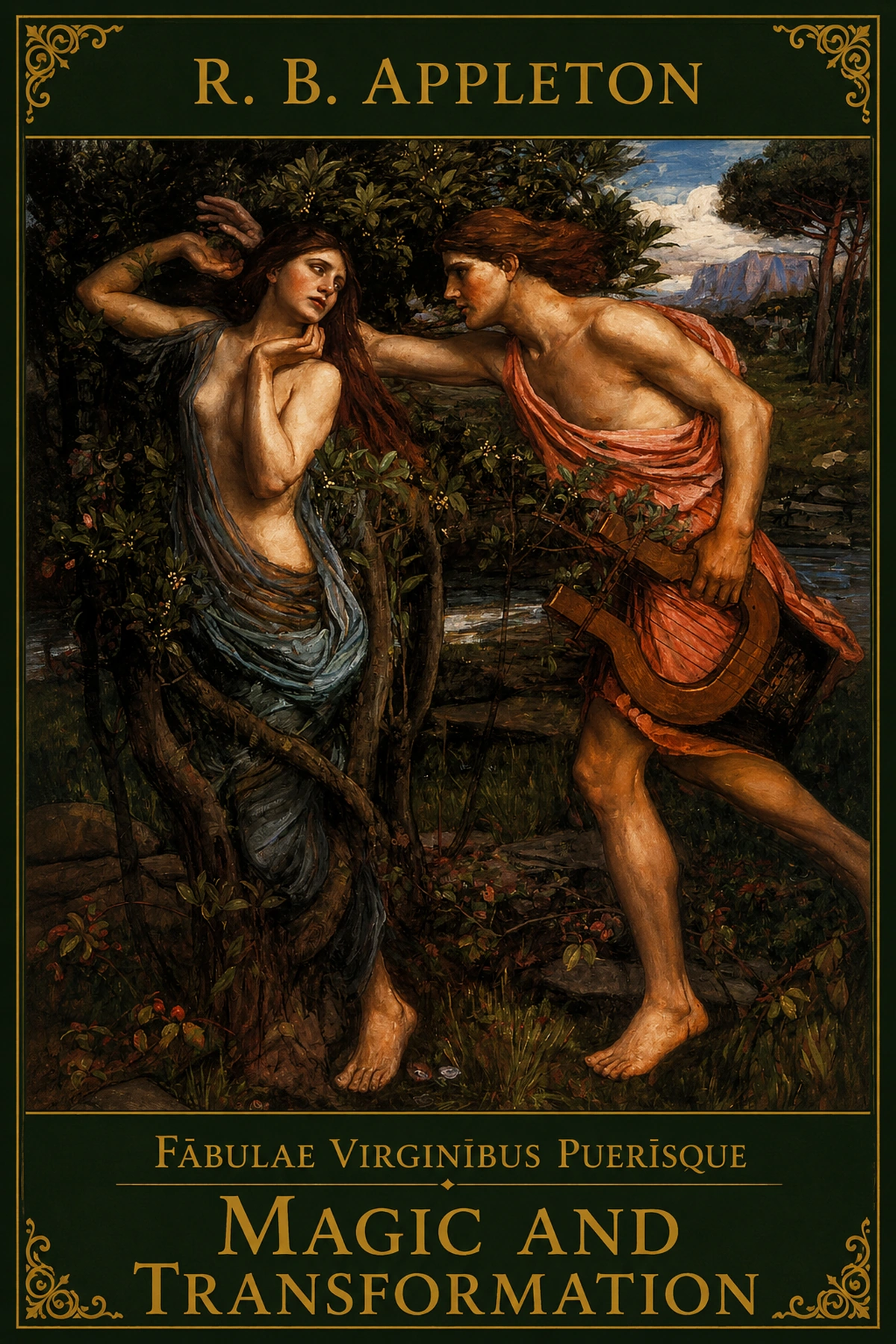
Magic and Transformation
Ten short stories of prophecy, magical herbs, resurrection, and metamorphosis.
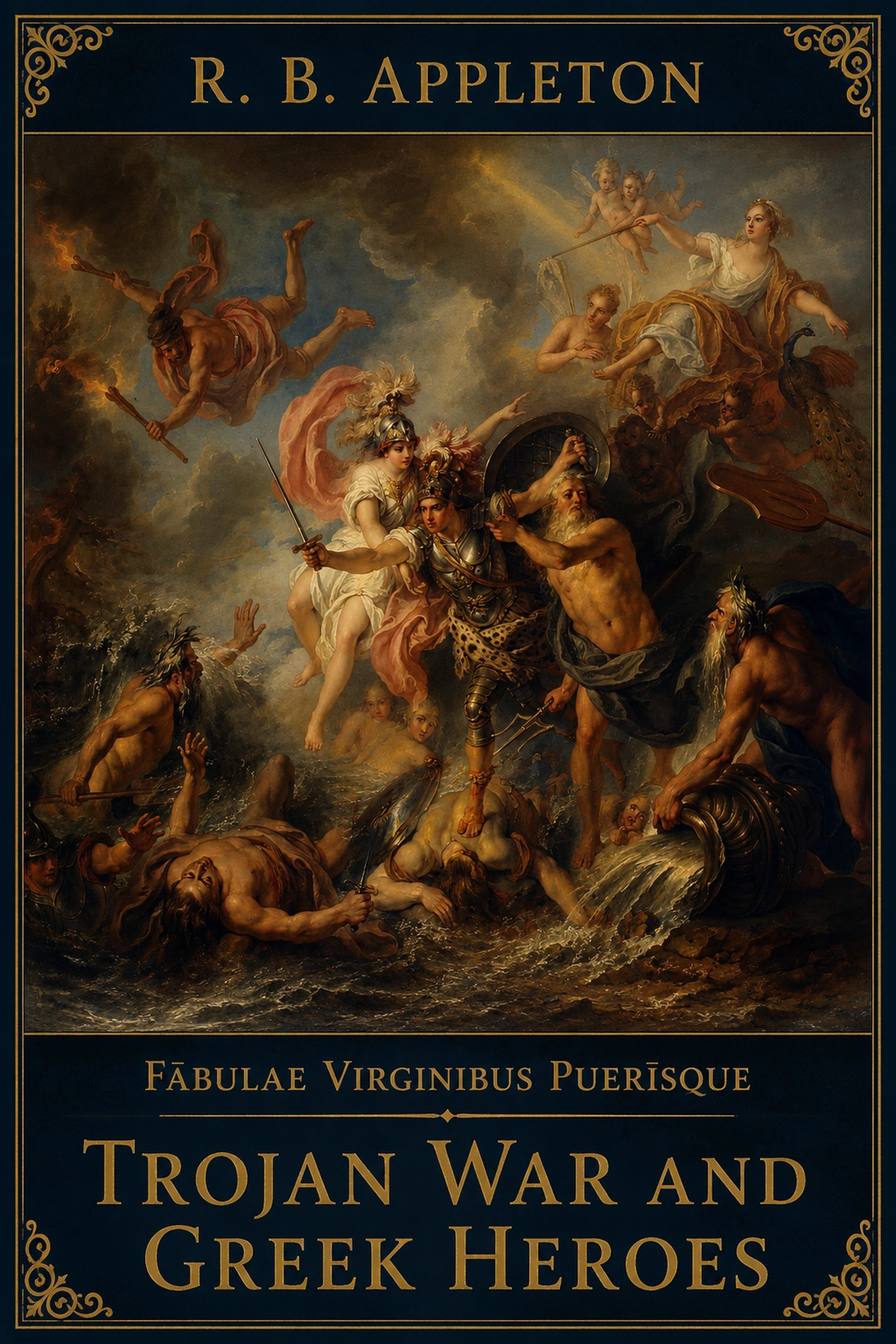
Trojan War and Greek Heroes
Seventeen short stories of the Trojan War and its heroes: prophecy, deception, loyalty, and tragic love.
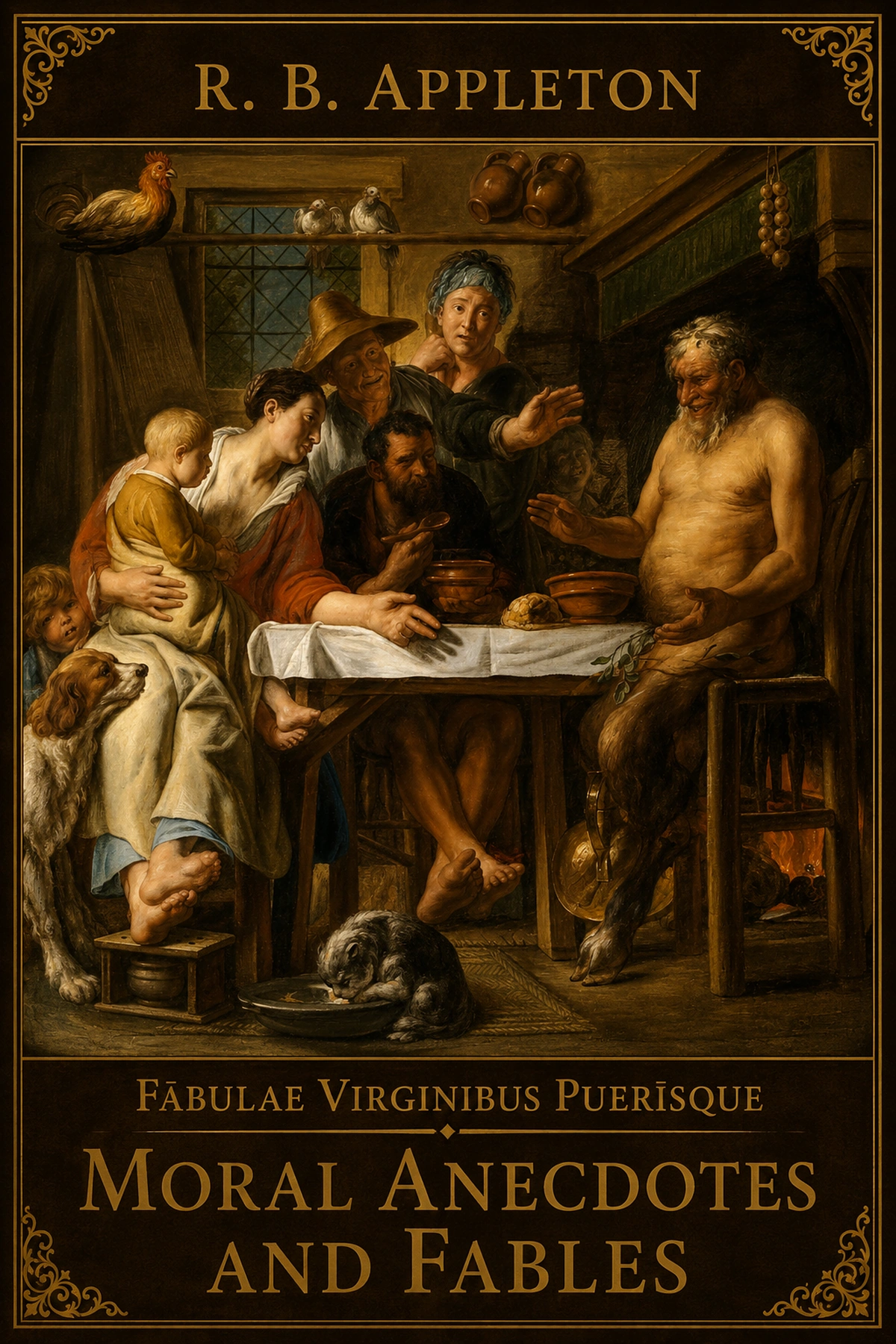
Moral Anecdotes and Fables
Thirteen short fables and anecdotes of greed, foolishness, deceit, and cleverness.
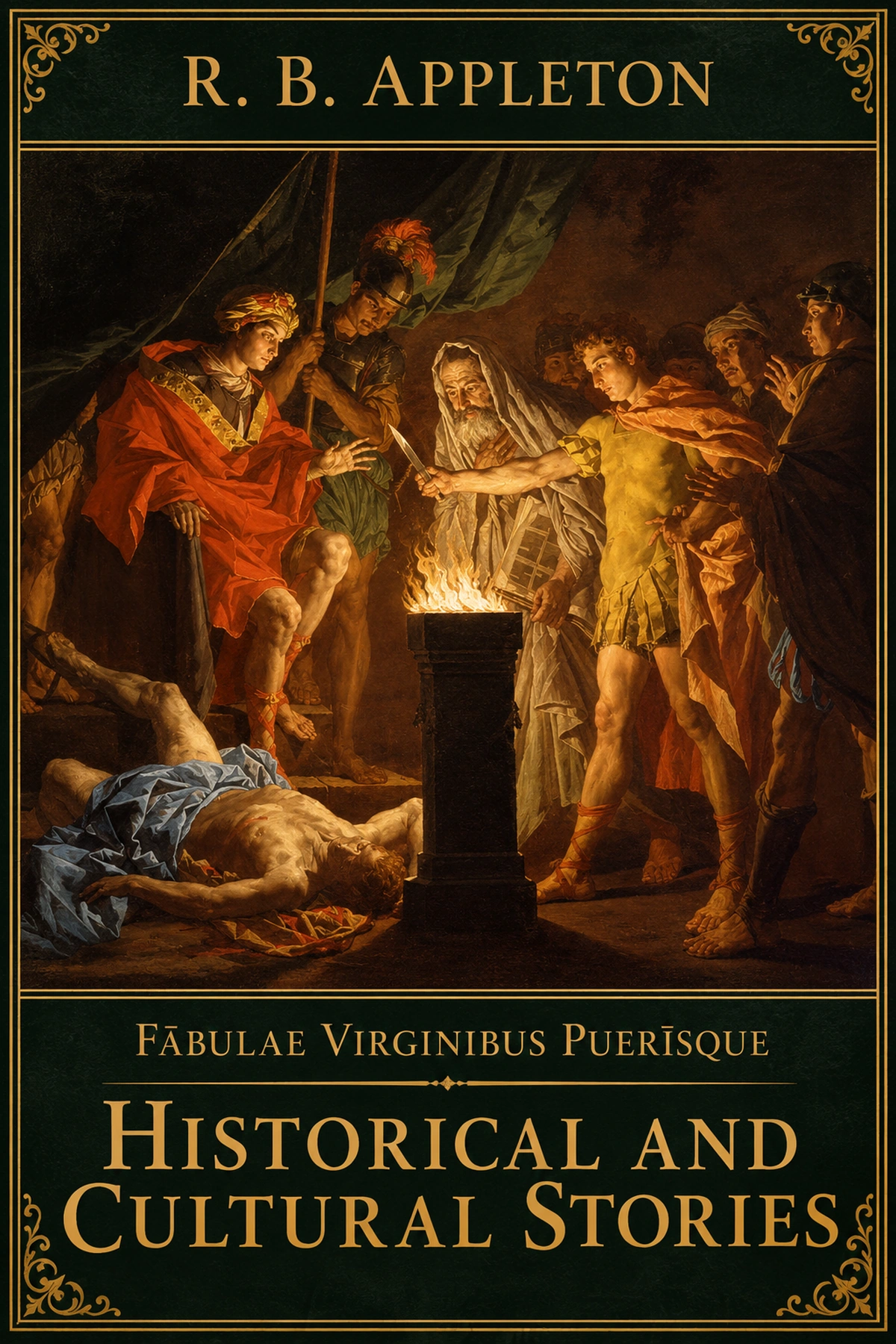
Historical and Cultural Stories
Sixteen short stories of philosophers, rulers, and artists: civic courage, wisdom, and filial devotion.
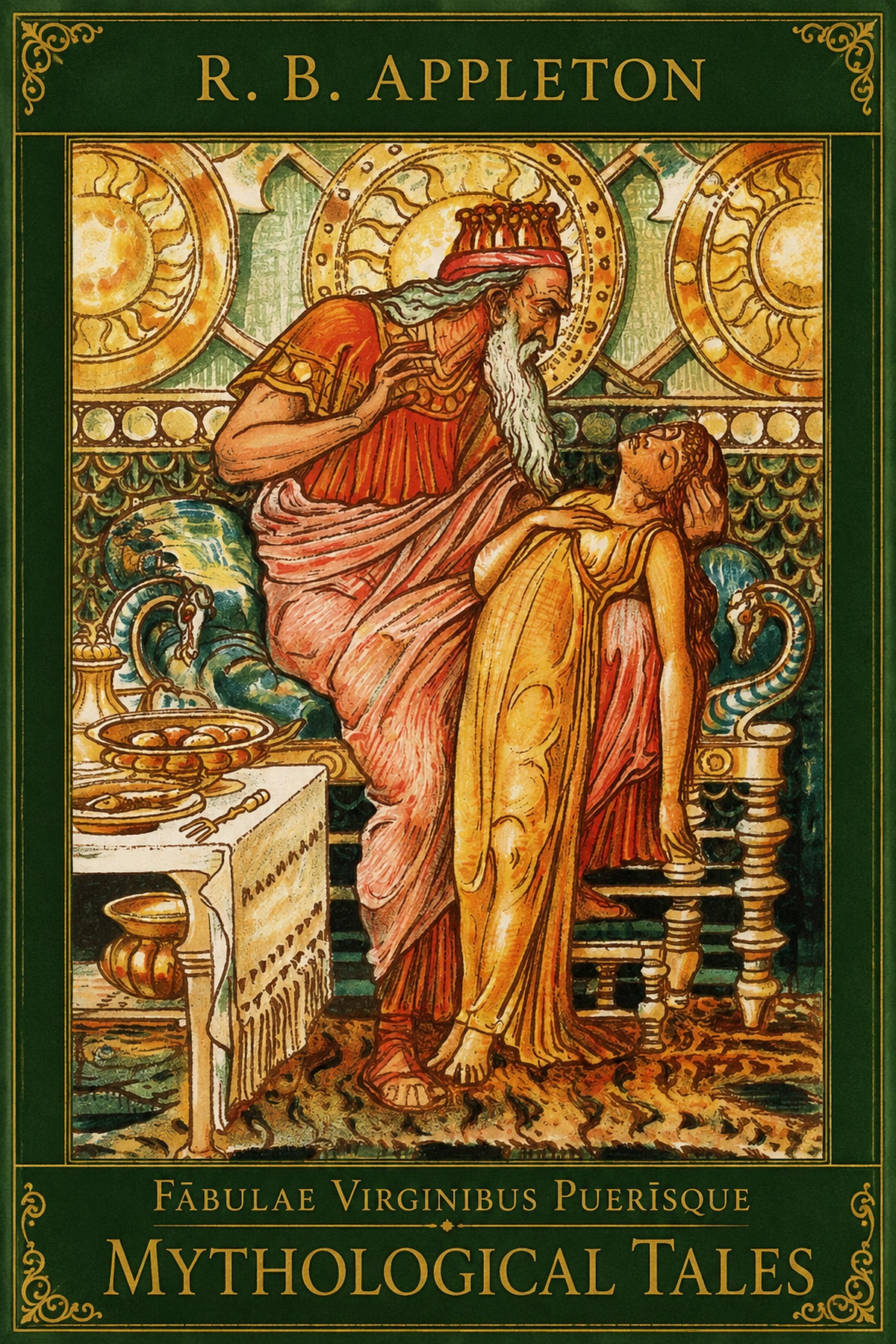
Mythological Tales
Twenty short myths of gods, heroes, and mortals: divine punishment and favor, invention, contests, and monsters.
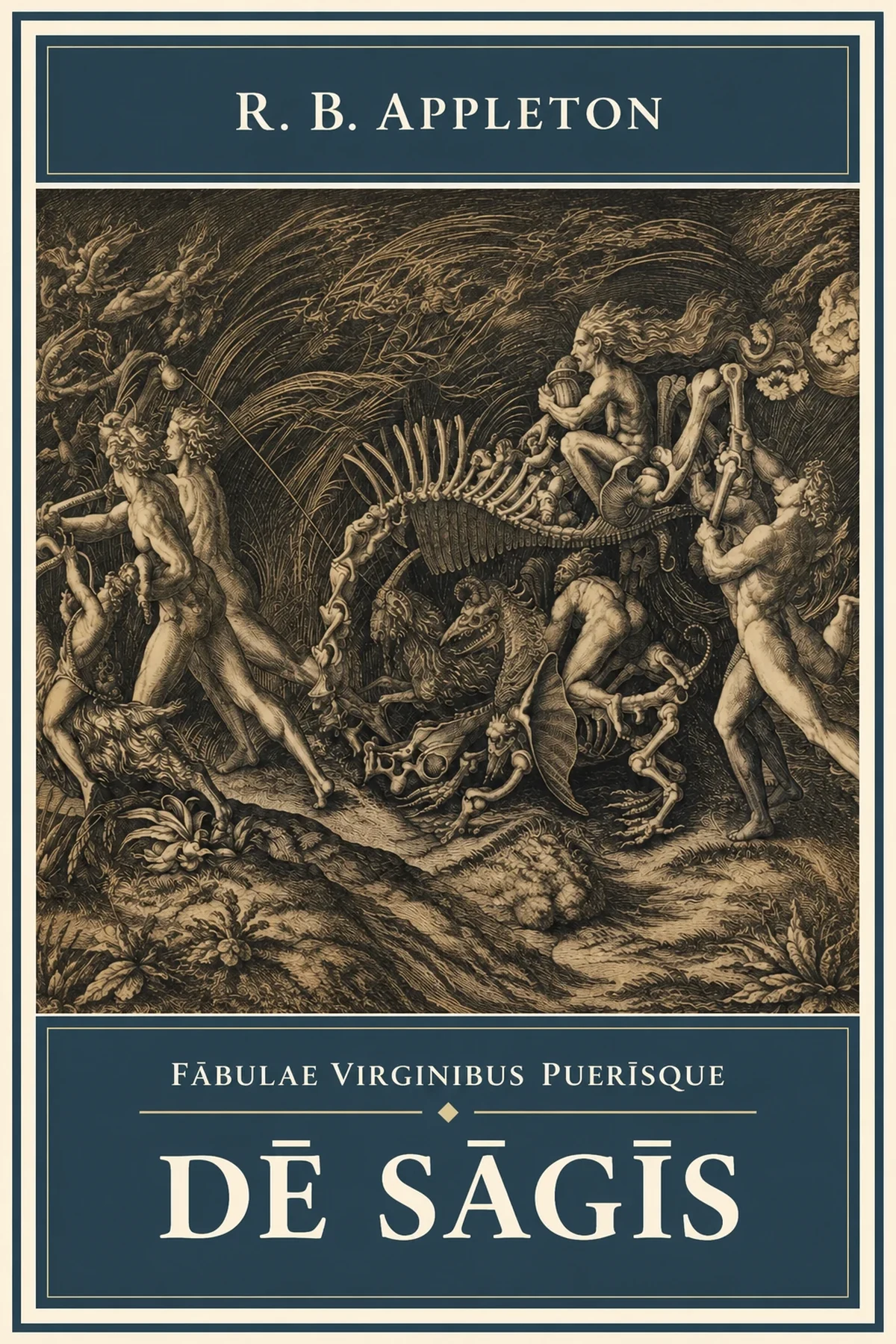
De Sagis
A traveler falls in with a stranger who is murdered in the night by witches, and wakes to find the horror was more real than it seemed.
A taste of the Latin
Something at the door.
From De Sagis (“on witches”): a traveler lies awake at an inn kept by a witch, and in the third watch of the night:
Fabulae Virginibus Puerisque · De Sagis
Tap a word — or reveal the translation.
For more of the same, see the guide to Latin horror stories.
Difficulty
Just past the first readers.
The eight readers sit close together, 3.75 to 4.2 on Librorum Capsula’s 1–11 scale: a little harder than Ritchie’s Fabulae Faciles, about level with Pons Tironum. The short stories are easy to dip into; read one a day.