Roman ghost stories
Roman ghost stories, in Latin.
The Romans told ghost stories, and a few of them survive in Latin. The best known is the haunted house at Athens in Pliny’s letter 7.27. Pliny writes it up as a real case, to settle a friend’s question about whether ghosts exist. Petronius and Apuleius add a werewolf and a corpse that rises to speak, and later writers kept the tradition going. The stories below start with Rome and run on into the Middle Ages and the Renaissance.
The stories, easiest first
Fourteen horror stories in Latin, in order of difficulty.
Numbers are Librorum Capsula’s 1–11 difficulty scale. The first two are written for learners; the rest are authentic Latin, from Rome to the Renaissance.
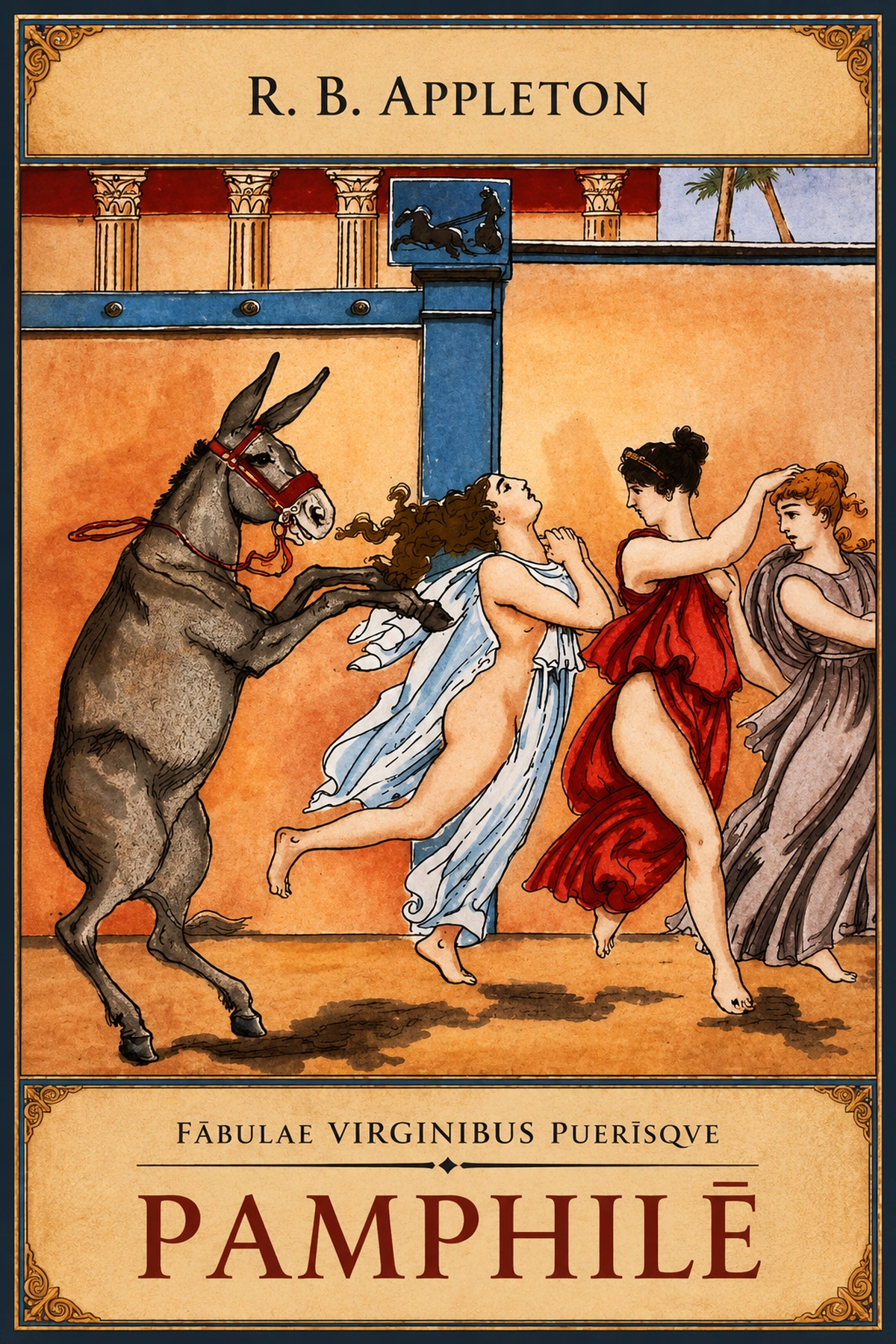
Pamphile
A young man spies on a witch’s transformation spell, tries to copy it, and gets it badly wrong.
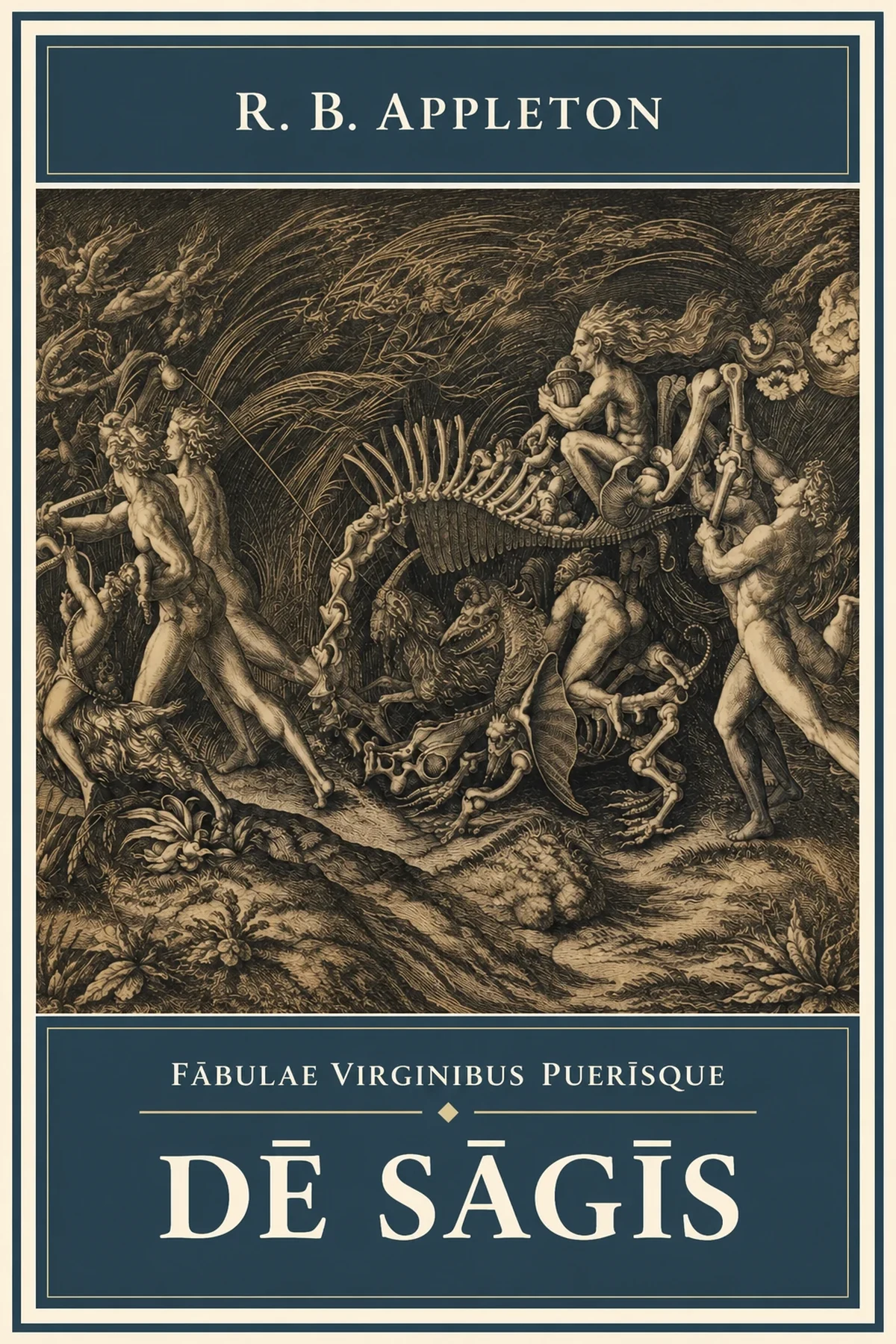
De Sagis
A traveller falls in with a stranger who is murdered by witches in the night, and wakes to find the horror was more real than it seemed.
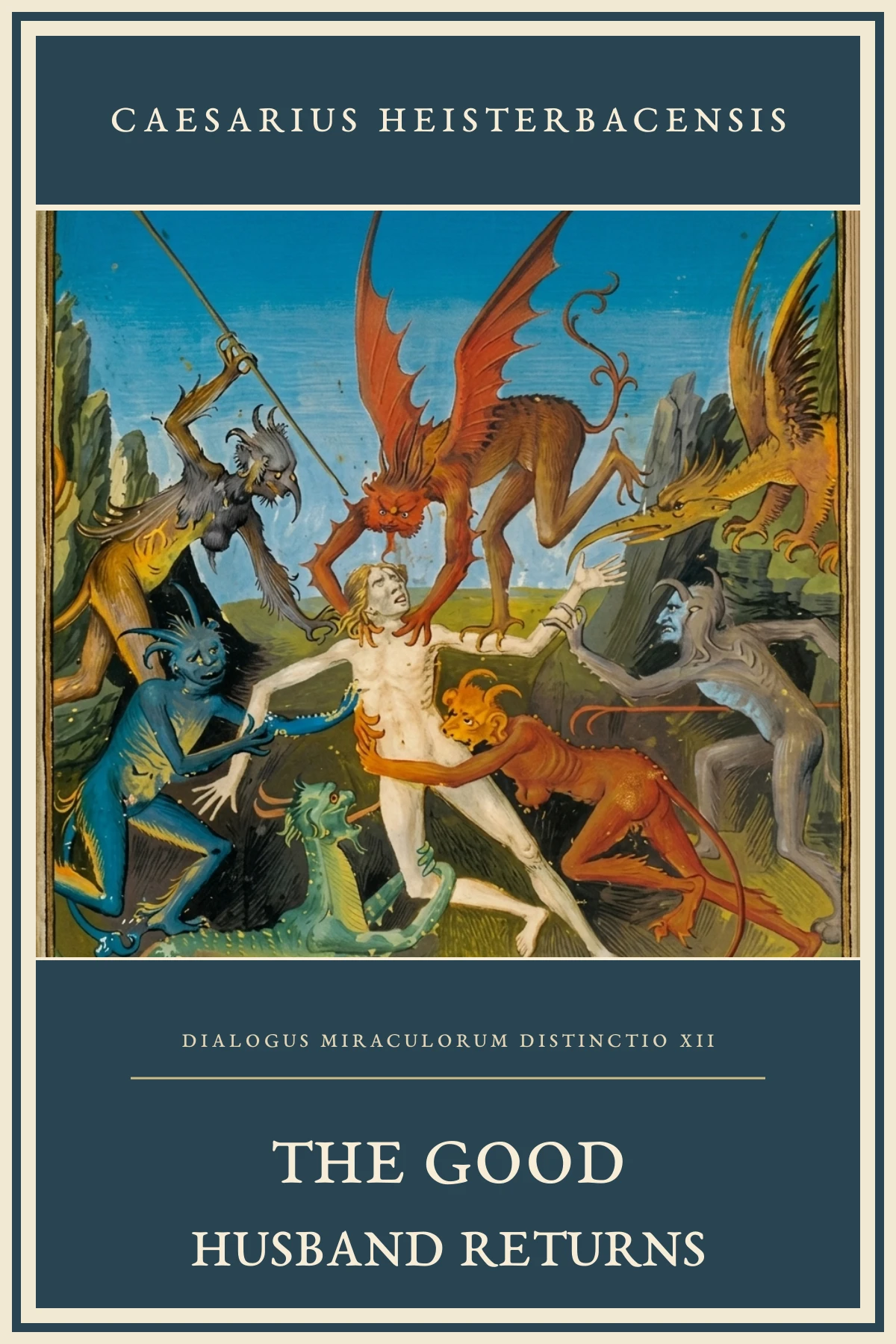
The Good Husband Returns
A castle shakes as if in an earthquake, and a dead Bavarian nobleman, driven by a demon, comes back to his wife’s room to tell her why all his famous generosity could not save him. The gentlest authentic ghost story here.
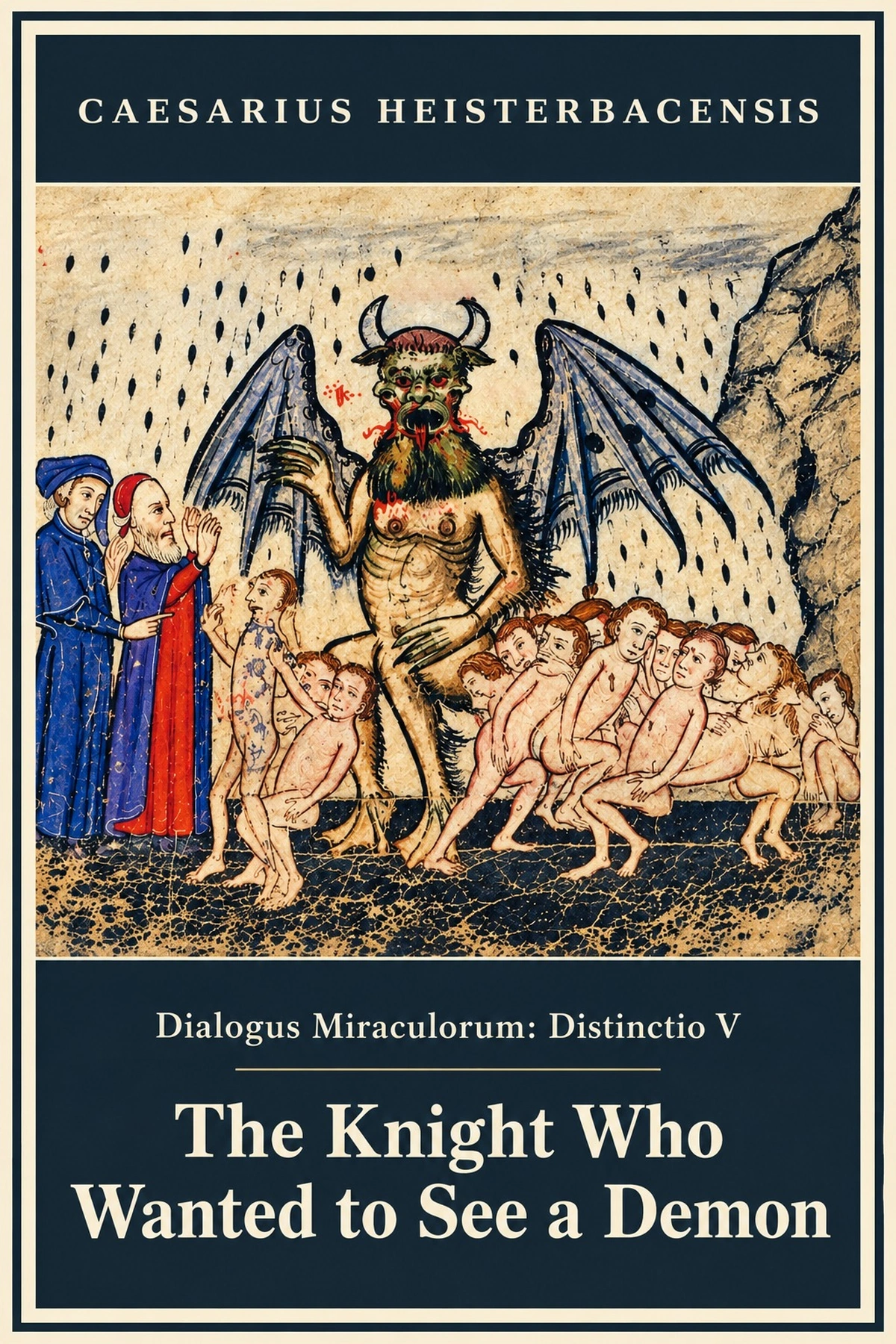
The Knight Who Wanted to See a Demon
A sceptical knight asks a man skilled in forbidden arts to show him the demons everyone fears. A magic circle, apparitions, and a figure that tests his nerve.
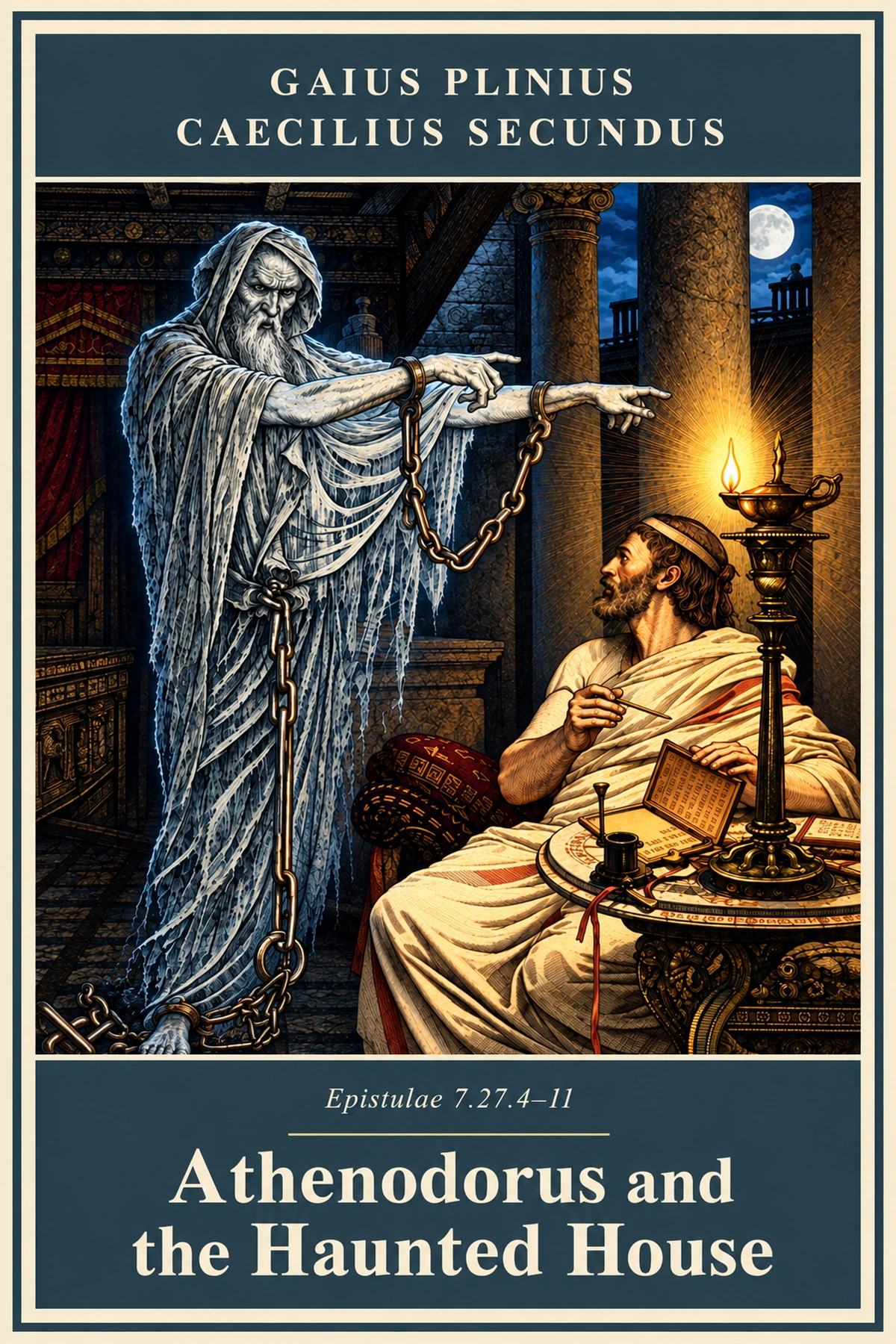
Athenodorus and the Haunted House
The most famous ghost story in Latin. A house in Athens where chains rattle at night, a gaunt old ghost, and a philosopher who rents the place because it is haunted. Pliny writes it up as a real case, to settle a friend’s question about whether ghosts exist.
The same story is retold in simpler Latin in Ad Alpes, where a Roman family passes a ruined house at night and Publius frightens his sister with it. Read that version first and Pliny’s will feel familiar.
Read Pliny’s version →Read the Ad Alpes version (Caput XVI) →Guide to Pliny 7.27 →
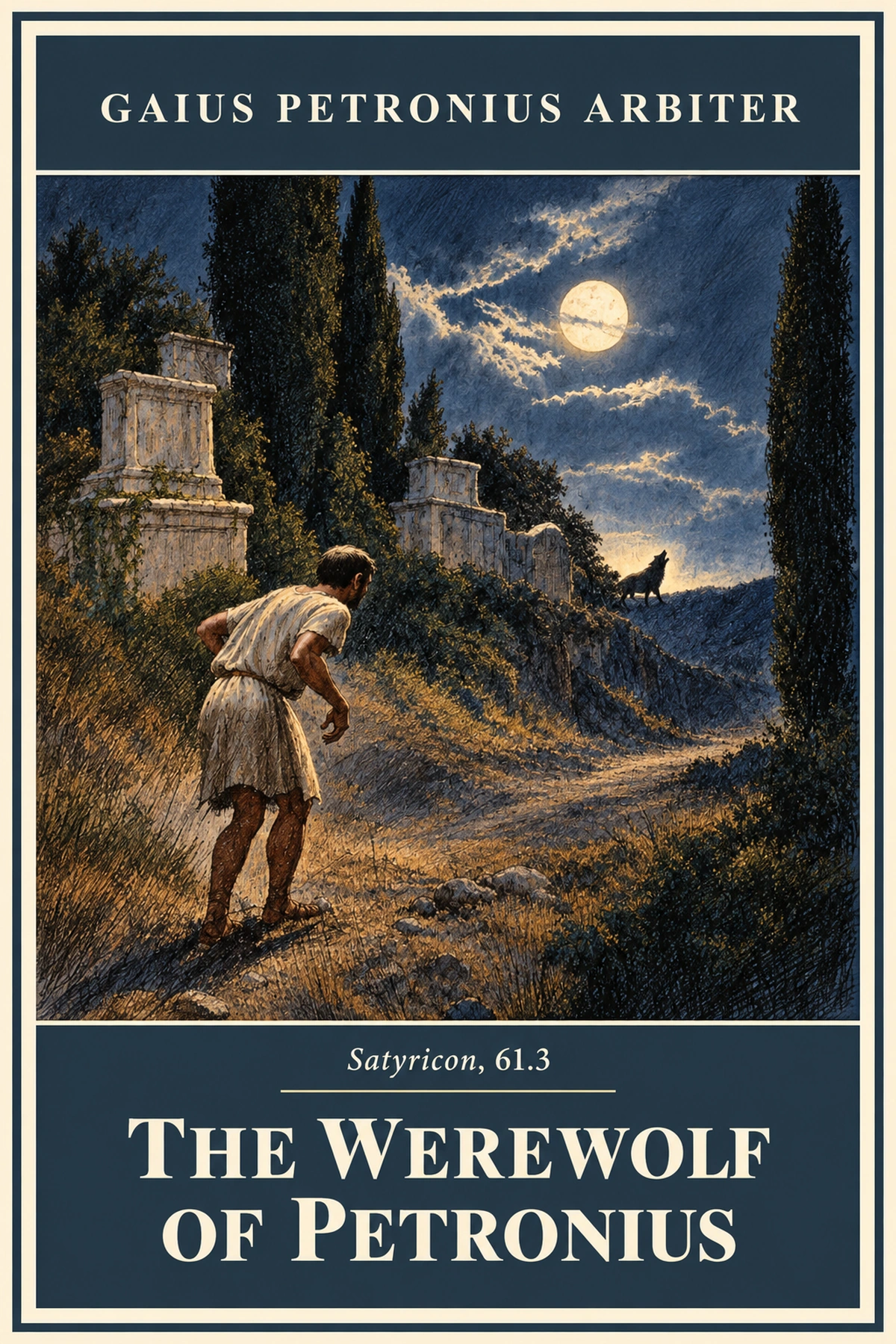
The Werewolf of Petronius
A soldier strips by the roadside tombs, turns into a wolf, and the clothes turn to stone. Guide to Petronius’s werewolf.
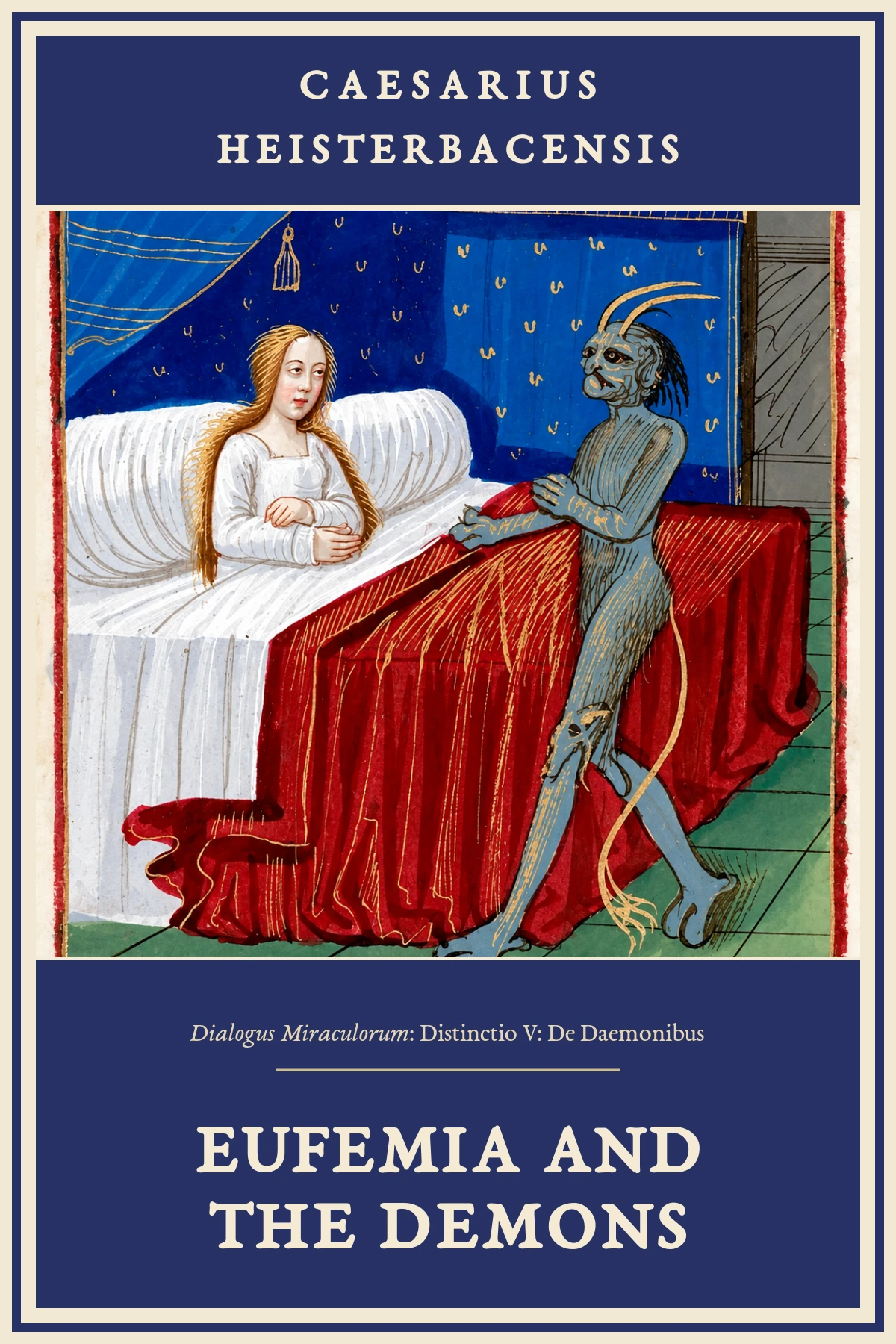
Eufemia and the Demons
A young nun faces repeated demonic assaults as she thinks about taking religious vows, with only her faith to shield her. Guide to Eufemia and the Demons.
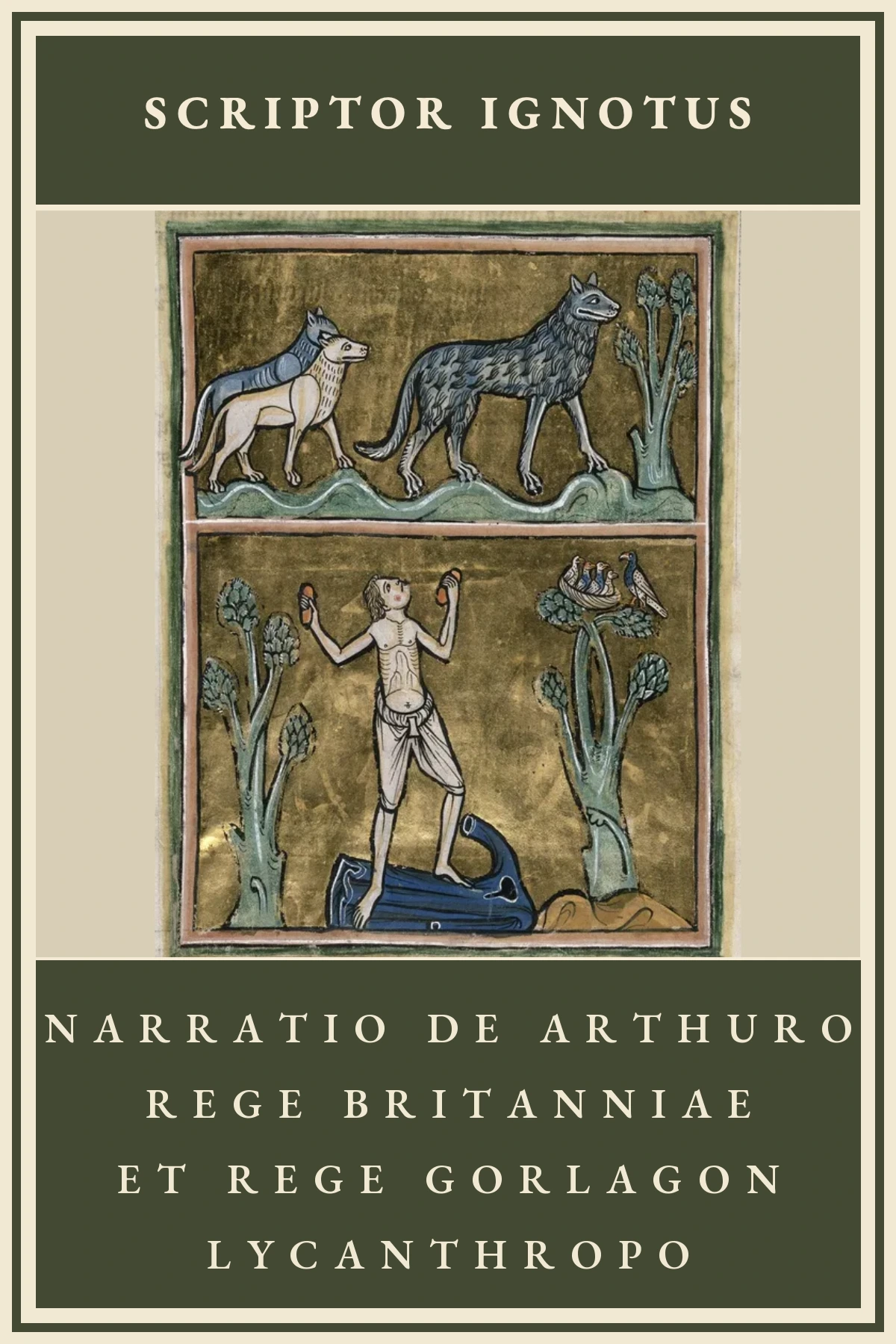
Narratio de Arthuro rege Britanniae et rege Gorlagon lycanthropo
King Arthur’s quest ends at the table of a king who was once a werewolf. Adultery, revenge and one grim final reveal. The longest story here, and a full medieval tale.
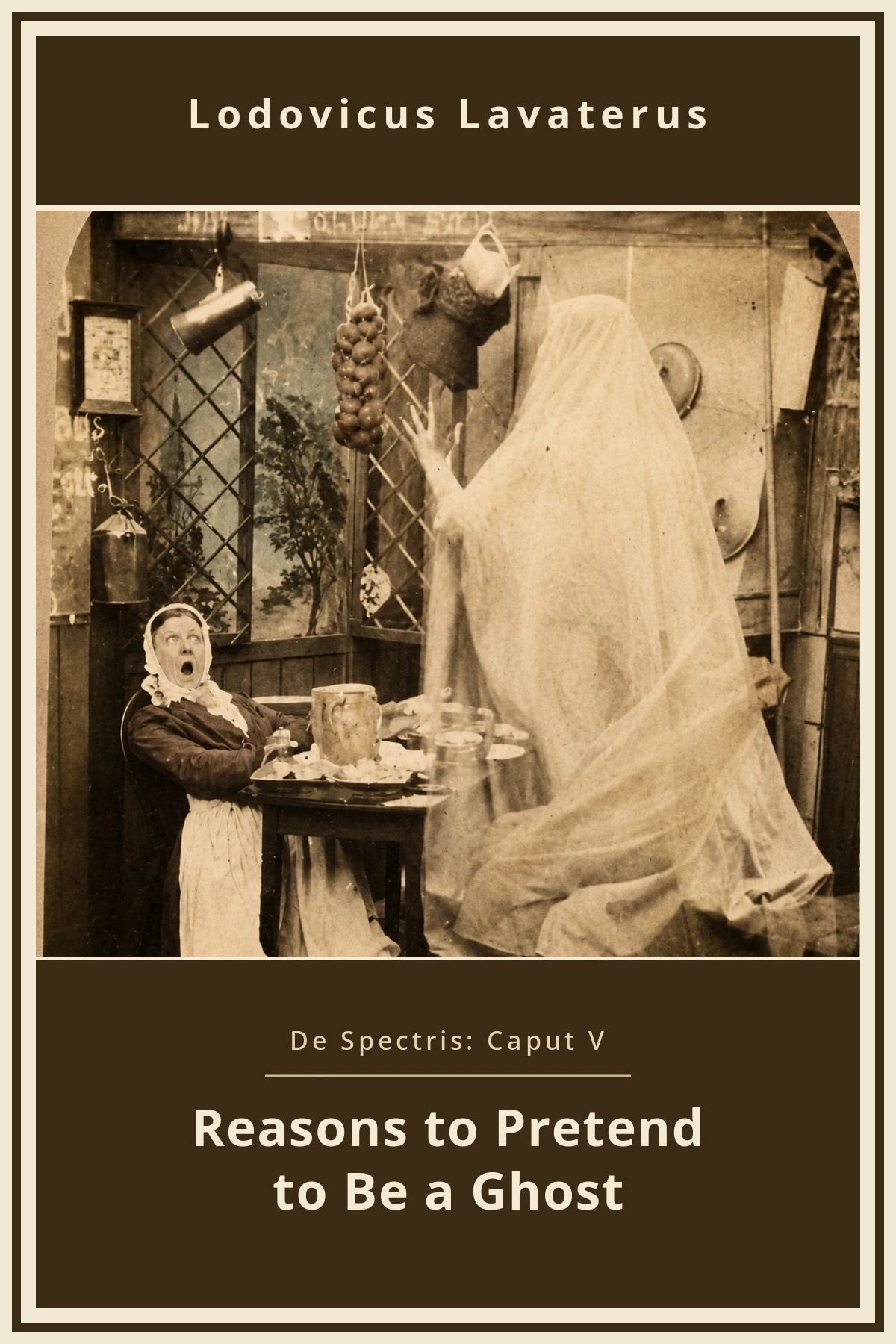
Reasons to Pretend to Be a Ghost
The other side of the ghost story. From Lavater’s De spectris (1570): jokers, lovers and thieves who discover that a sheet and a well-timed noise can empty a house.
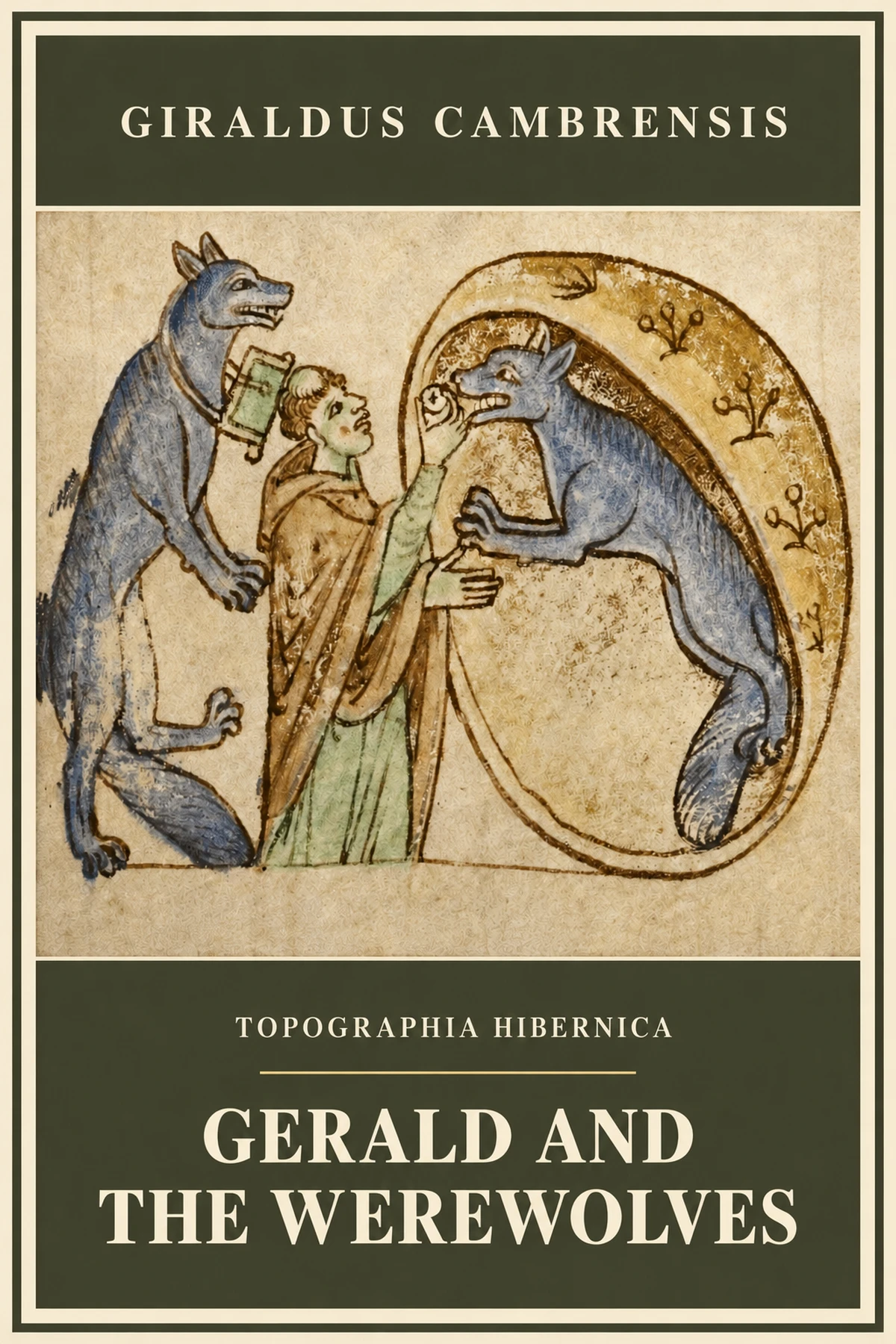
Gerald and the Werewolves
A priest meets a talking werewolf in Ireland and finds that the dying she-wolf beside him is a human woman, which raises the question of where human identity ends and animal form begins. Guide to the Werewolves of Ossory.
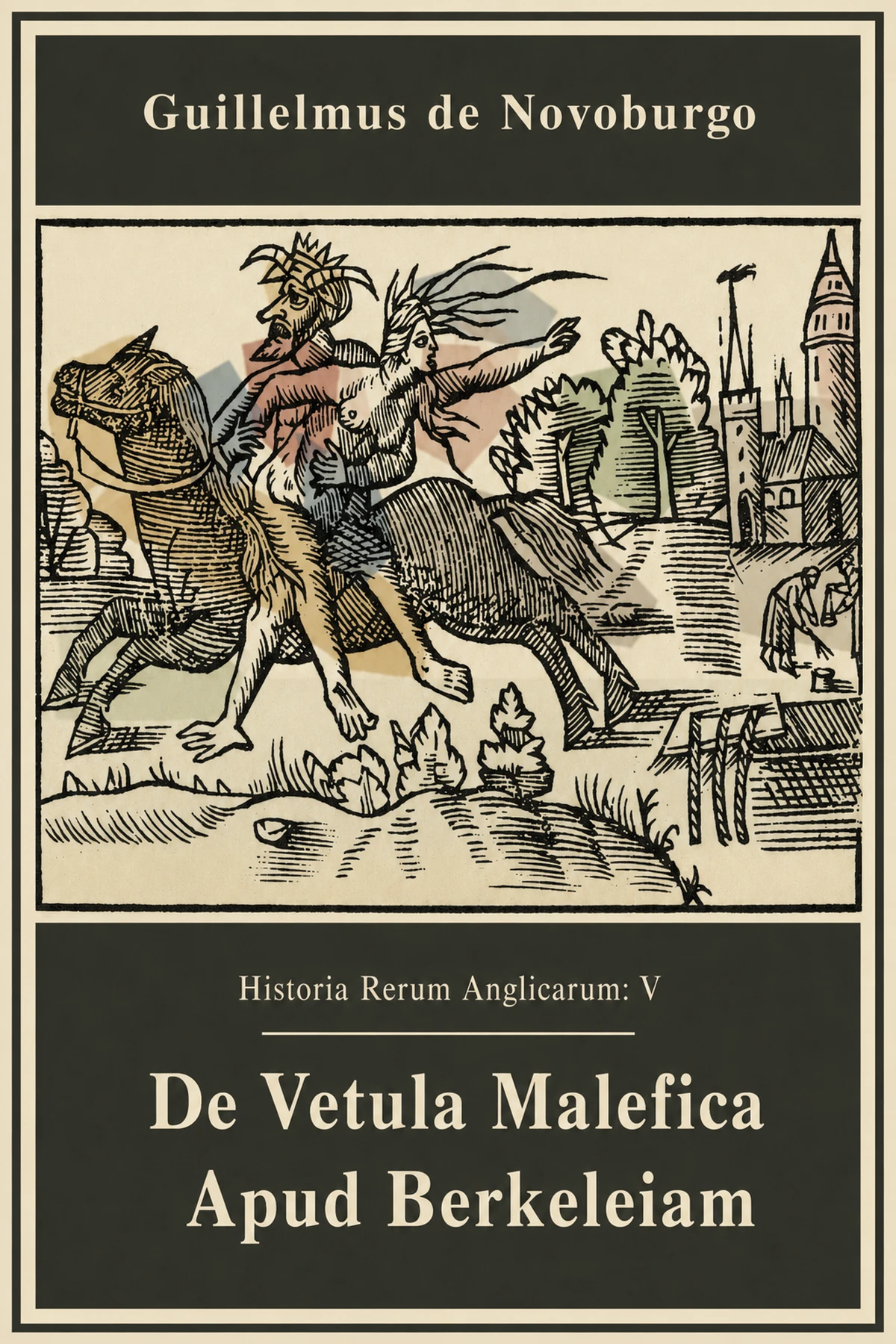
A Witch's End
The Witch of Berkeley tells her children exactly how to protect her corpse from the demons she served. It does not work.
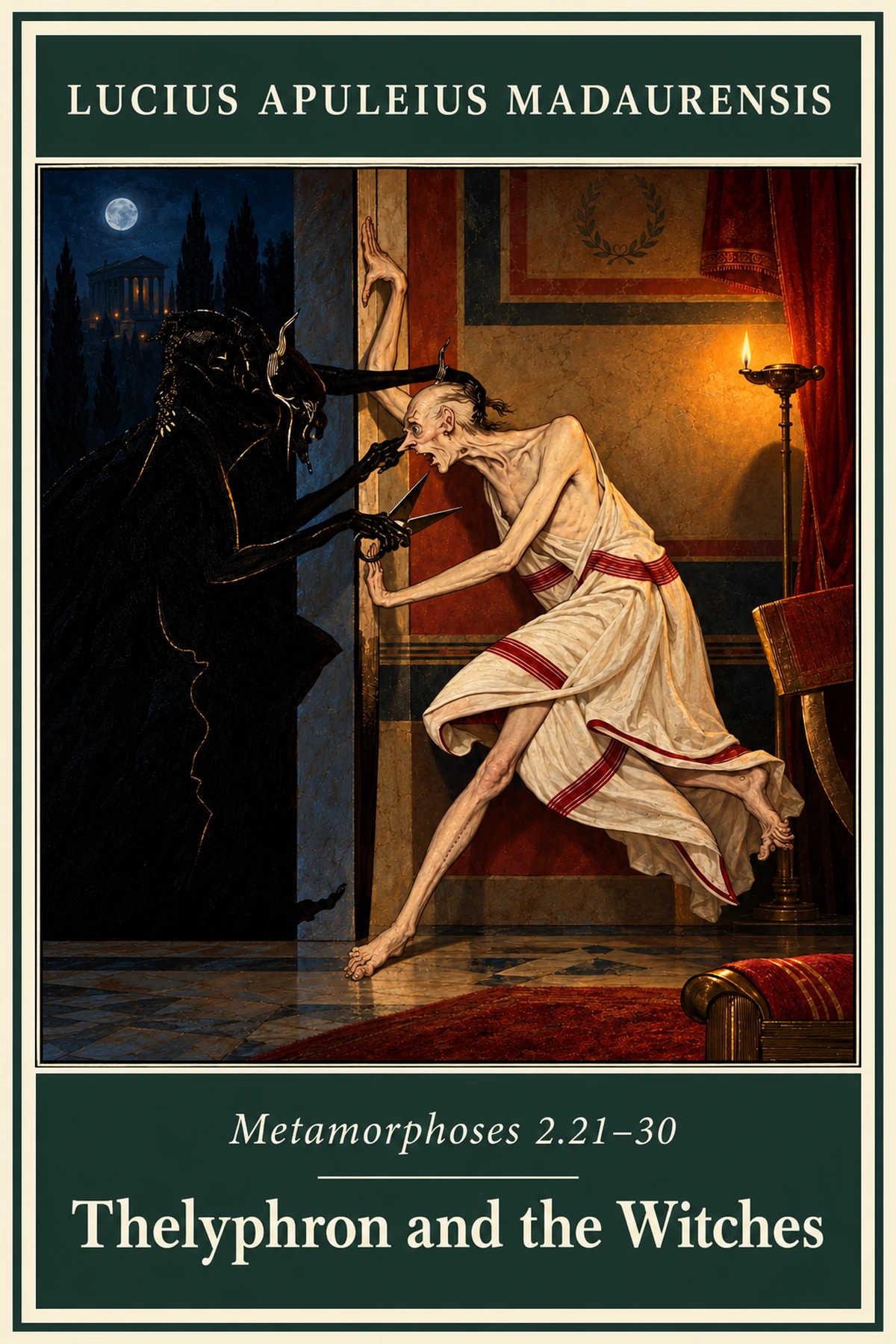
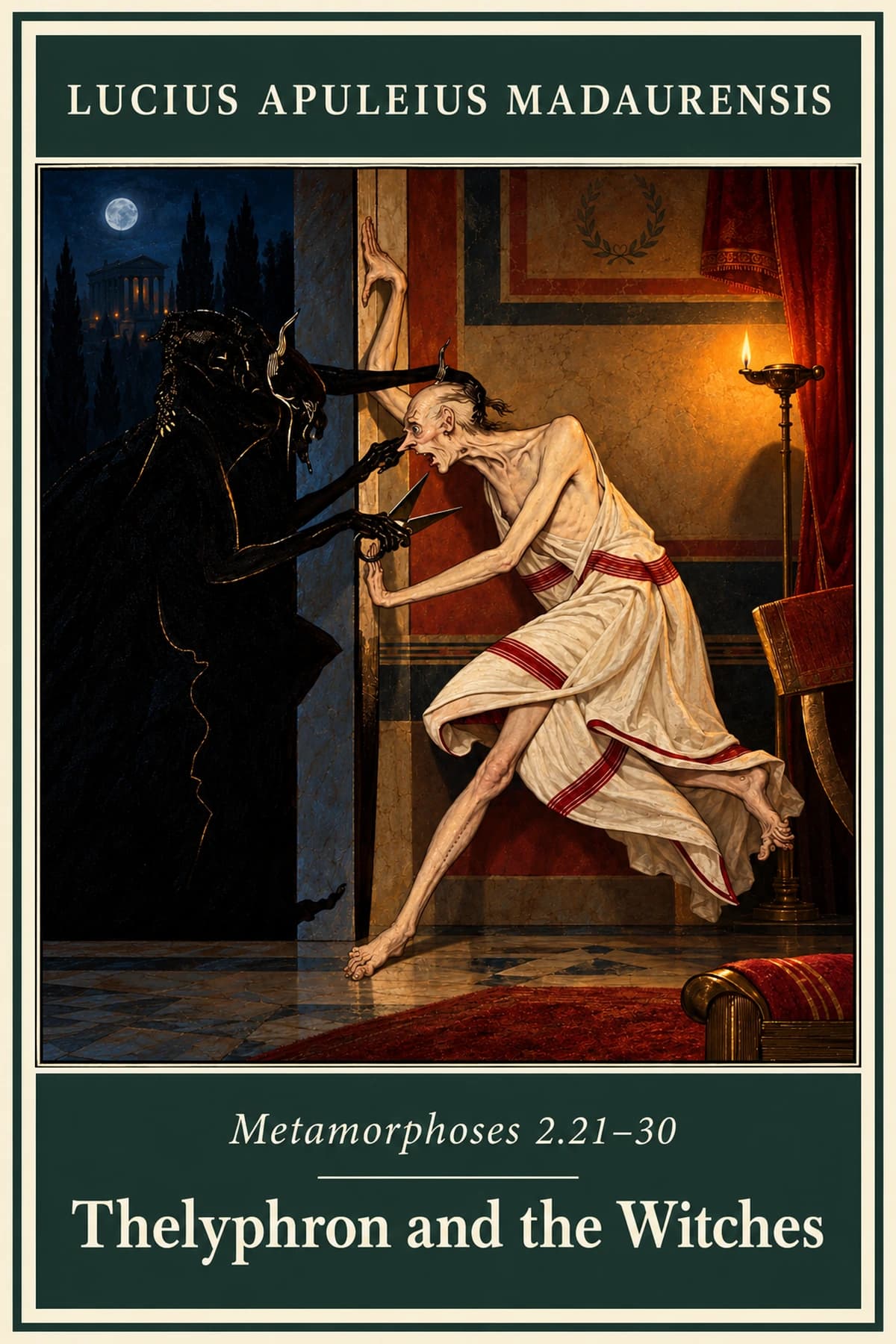
Thelyphron and the Witches
A man is hired to guard a corpse from witches overnight. At the funeral, the dead man is raised to reveal what happened while Thelyphron kept watch.
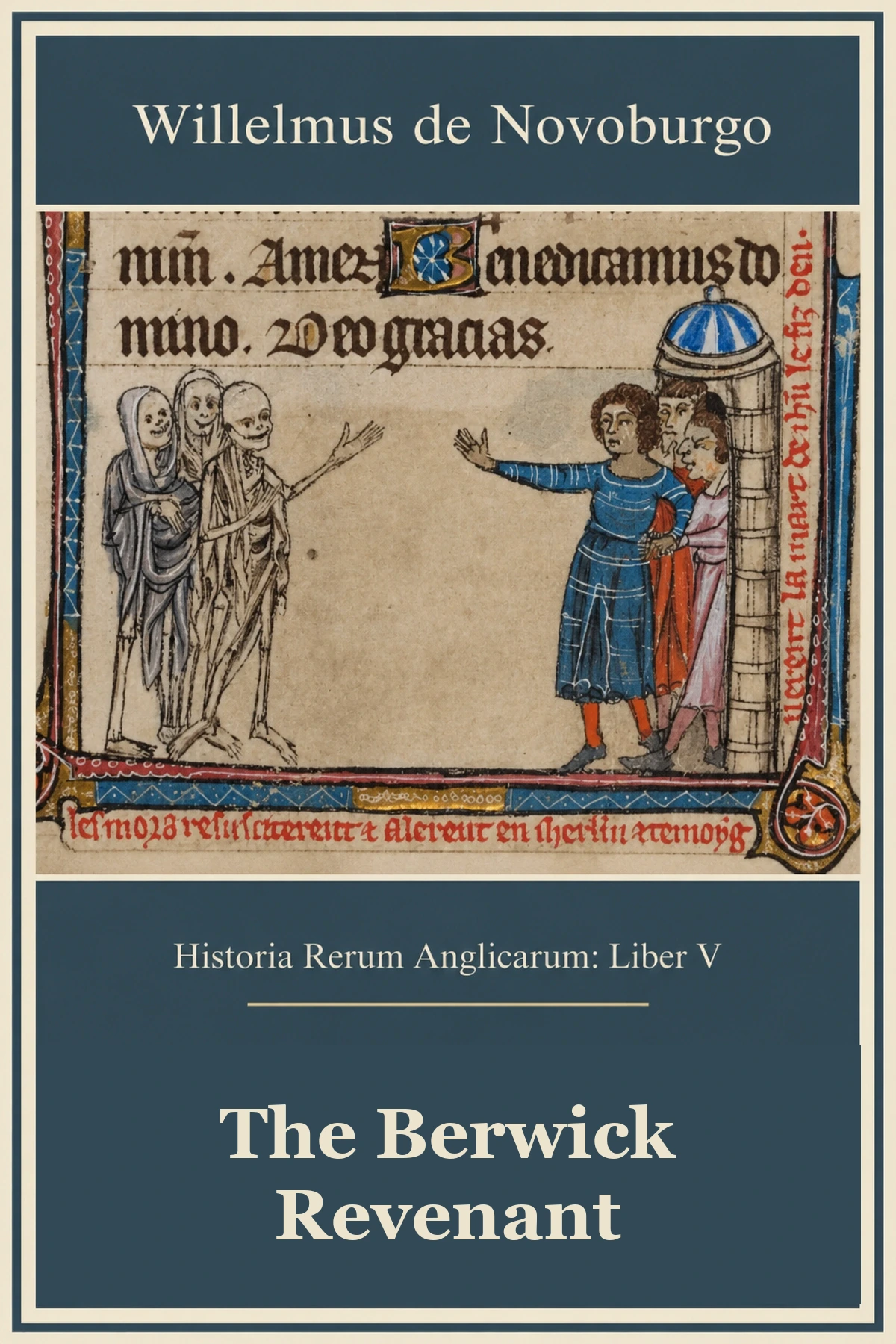
The Berwick Revenant
A rich man of bad character climbs out of his grave in Berwick and walks at night, chased by barking dogs. Ten bold young men are hired to dig him up, cut him apart and burn him. The nightly disturbance stops, but William suggests the victory may not be what it seems. Guide to the Berwick Revenant.
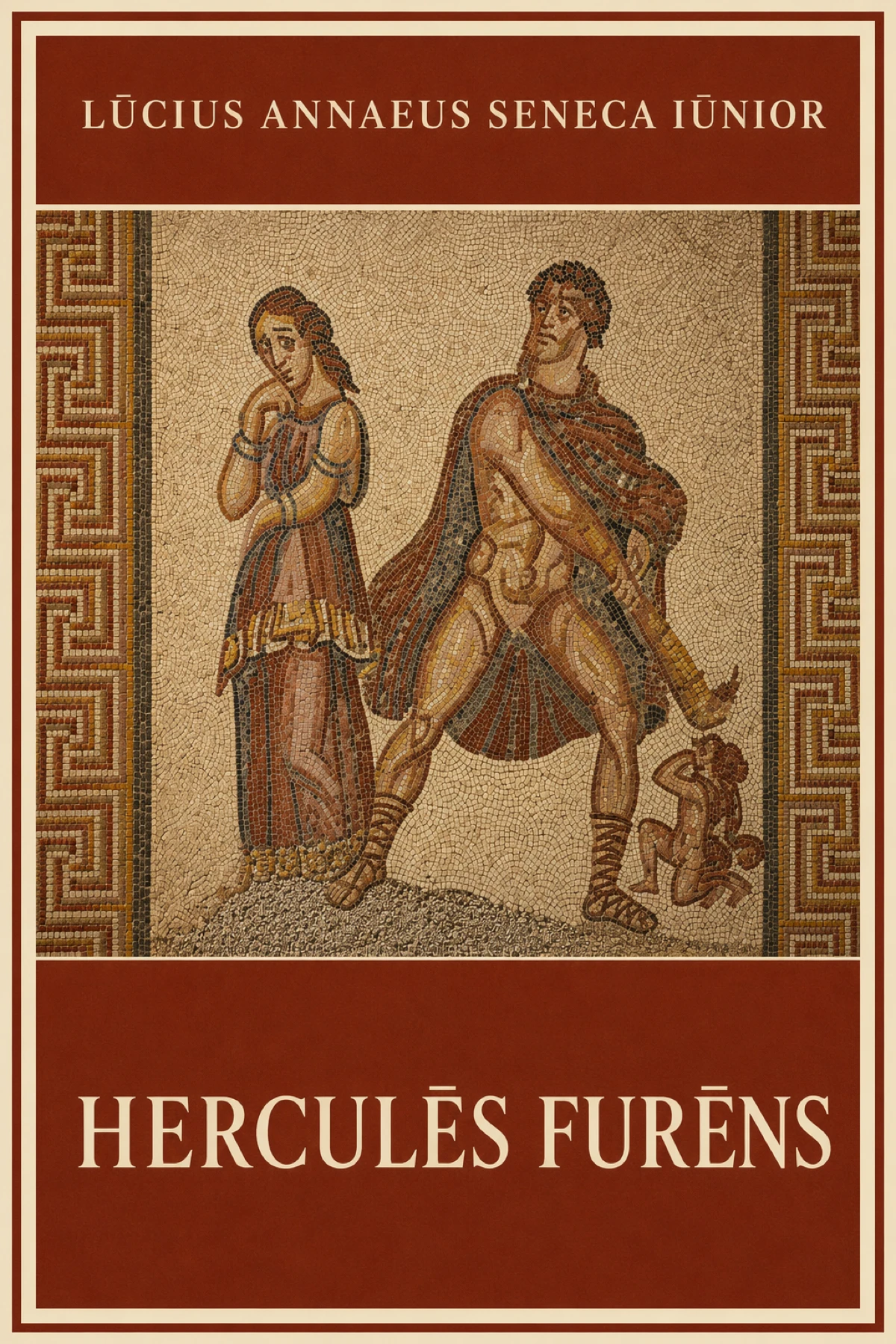
Hercules Furens
Psychological horror: Juno drives Hercules mad, and he kills his own wife and children. The hardest book here. Guide to Hercules Furens.
Latin words for horror and Halloween
The vocabulary of a Latin ghost story.
For anyone who landed here looking for the words. All of these appear in the stories above, with a definition on each:
- mānēs, -ium (m. pl.): the spirits of the dead
- umbra, -ae (f.): shade, ghost
- imāgō, -inis (f.): apparition
- versipellis, -is (m.): werewolf, a “skin-changer”
- lupus, -ī (m.): wolf
- catēna, -ae (f.): chain
Which one should I read first?
- Still working through a textbook? Pamphile or De Sagis, then Pliny’s haunted house with its easier retelling.
- Ready for real Latin? The Good Husband Returns (257 words) is the gentlest authentic story here. Then Pliny’s haunted house, then the werewolf.
- Want something long? Arthur and Gorlagon, a full medieval story at 6.0.
- Want a werewolf? Petronius first, then Gerald and the Werewolves and Arthur and Gorlagon.
- Want the strongest stuff? Thelyphron, A Witch’s End and The Berwick Revenant.
Why horror is good reading practice
Ghost stories are built on suspense, so you want to know what happens next, and that pull carries you through hard sentences. They are also short: most of these can be read in one sitting, and finishing a whole story in Latin does more for your confidence than a page of a long book. And they repeat their key words (chains, night, the dead, the grave), which is how vocabulary sticks.