After Wheelock

What to Read After Wheelock’s Latin

Wheelock’s Latin gives you nearly all of Latin grammar in forty chapters. What it can’t give you is reading speed: its readings are short sentences and passages. The fastest way forward is a lot of real Latin that is easier than Caesar, then the classical authors in a sensible order.

Where Wheelock leaves you

You know the grammar. Now you need pages.

By chapter 40 you have met the subjunctive, indirect statement, gerunds and gerundives, and the Sententiae Antiquae and Loci Antiqui have shown you real authors in small pieces. What you have not had is a long text, where the vocabulary repeats and you start reading without translating. That comes only from reading a great deal of Latin you find a little easy.

Step 1

Easy authentic Latin, to build speed.
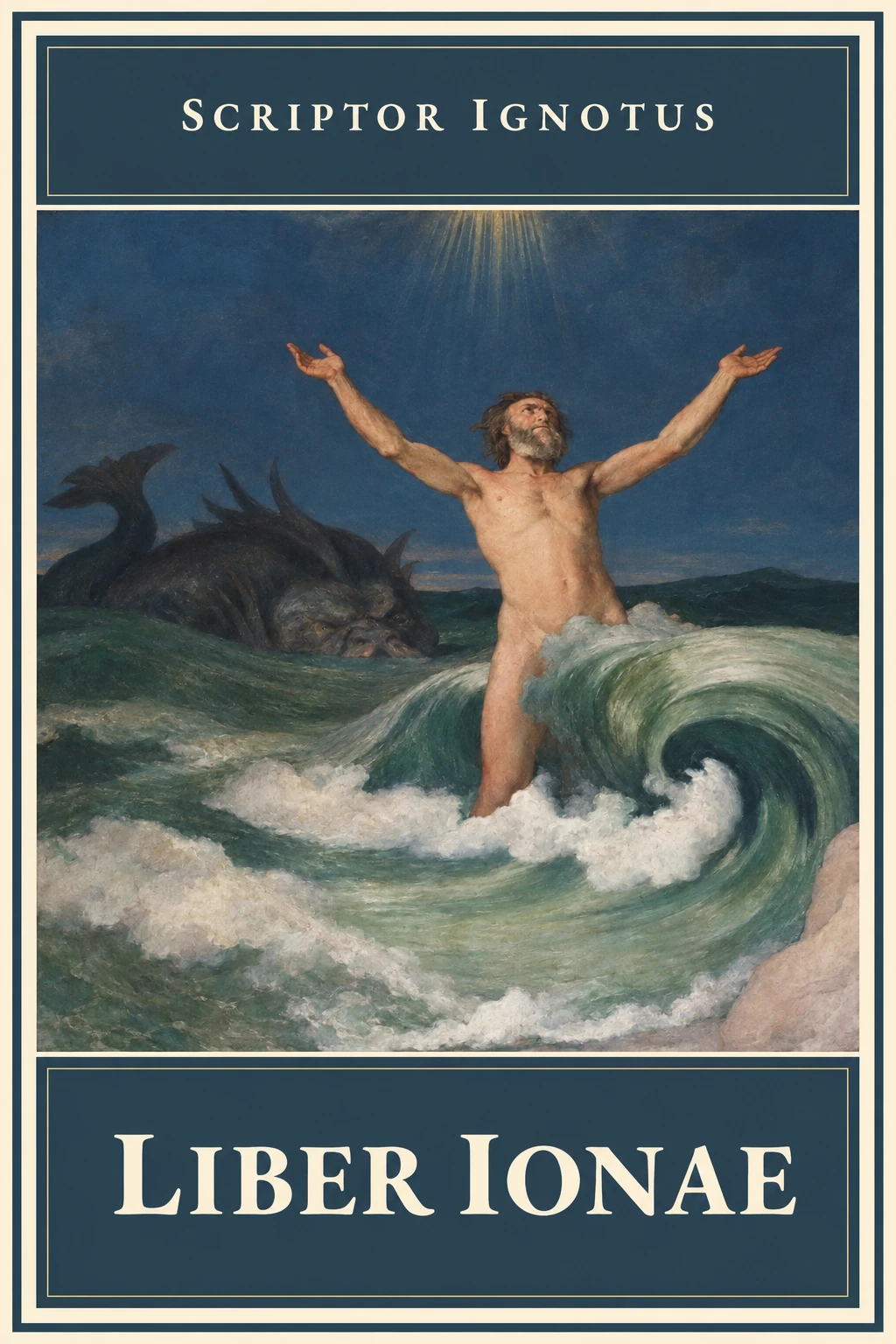
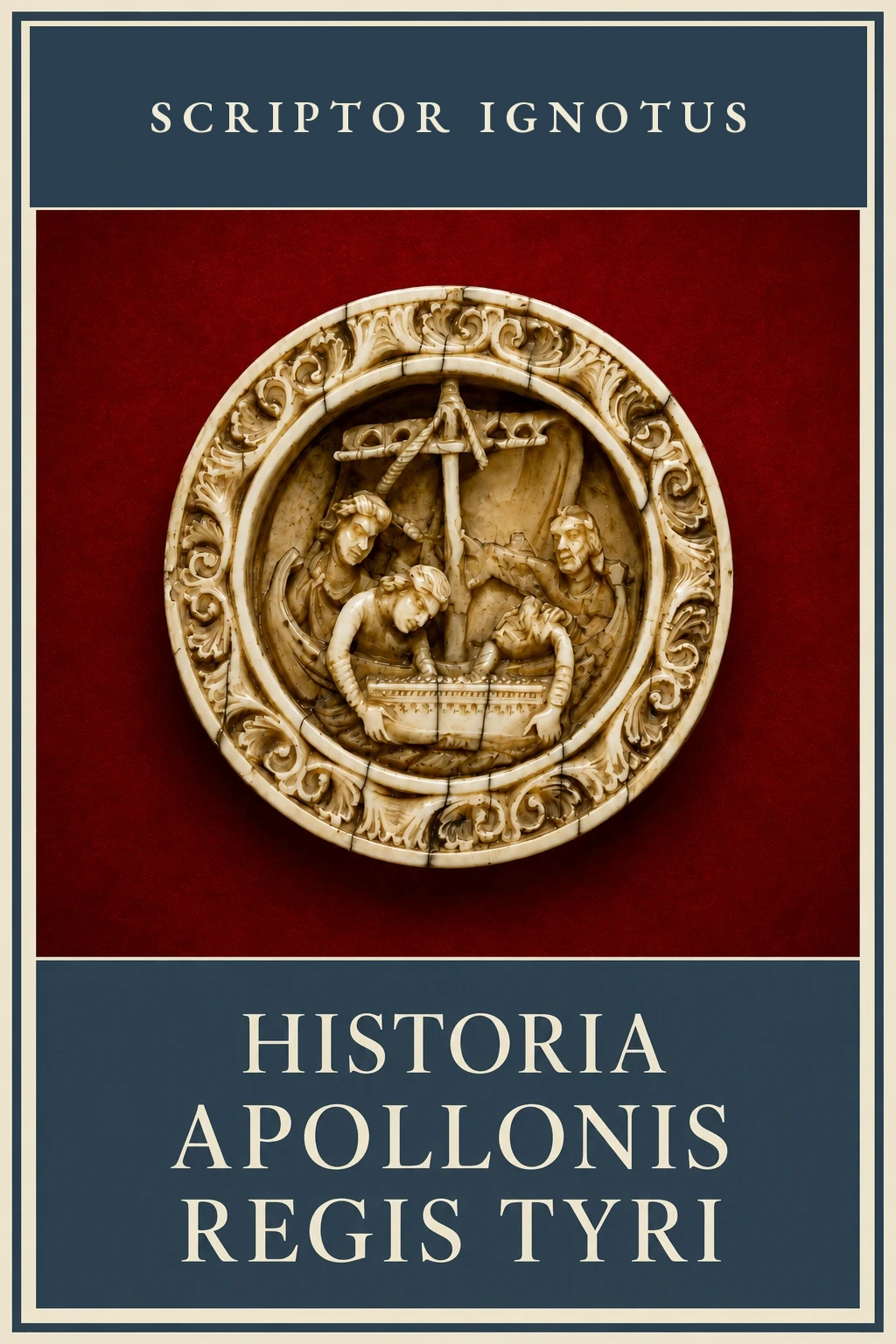
Historia Apollonii Regis Tyri cover
Romance10,434 wordsLC 4.93

Historia Apollonii Regis Tyri — Scriptor Ignotus

Riddles, shipwrecks and pirates, and vocabulary that repeats.
Read in Latin →Library entry →

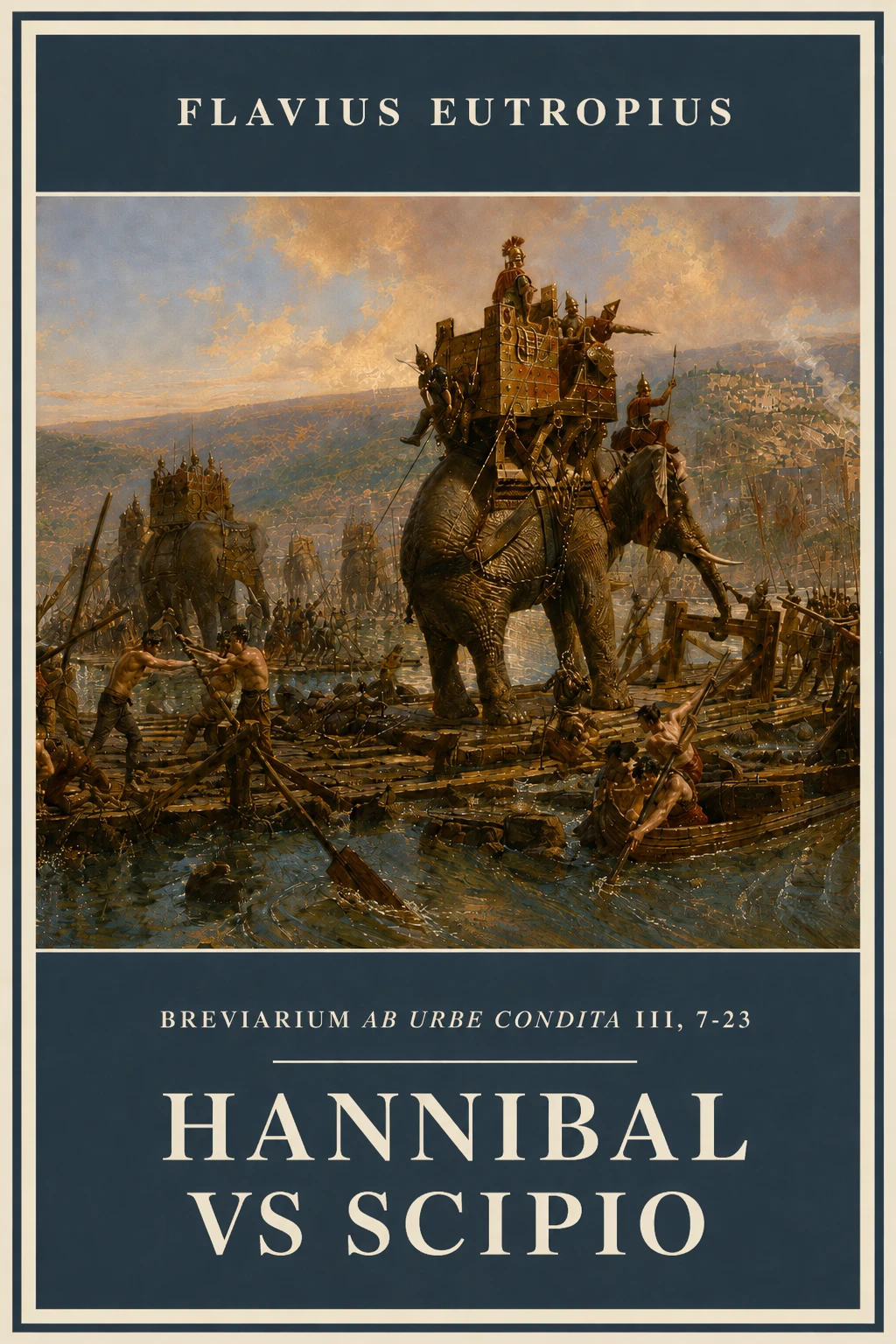
Breviarium: Hannibal vs. Scipio cover
Roman history1,448 wordsLC 5.1

Breviarium: Hannibal vs. Scipio — Eutropius

Eutropius on the Second Punic War: compact, classical, clear.

Read in Latin →Library entry →

Step 2

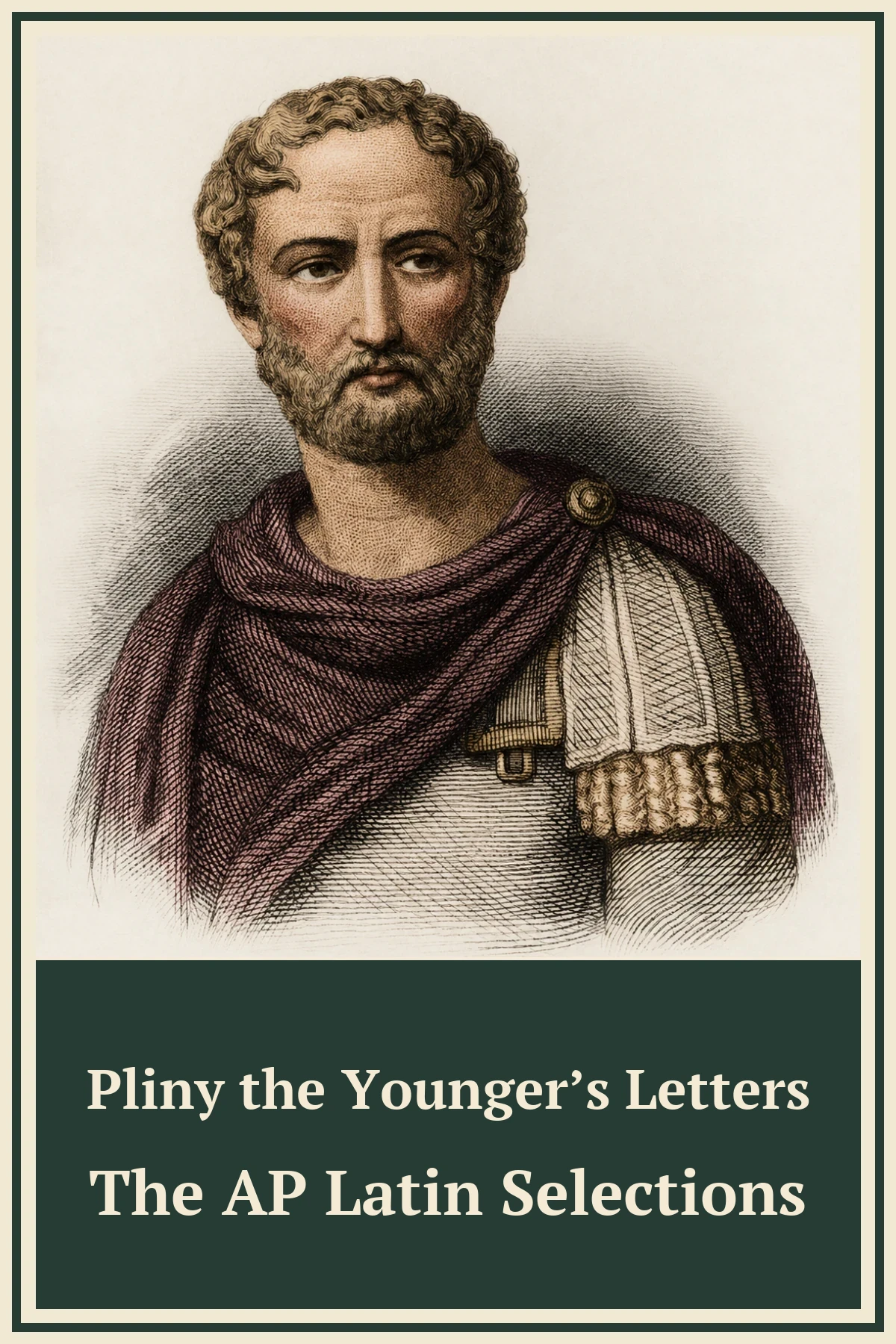
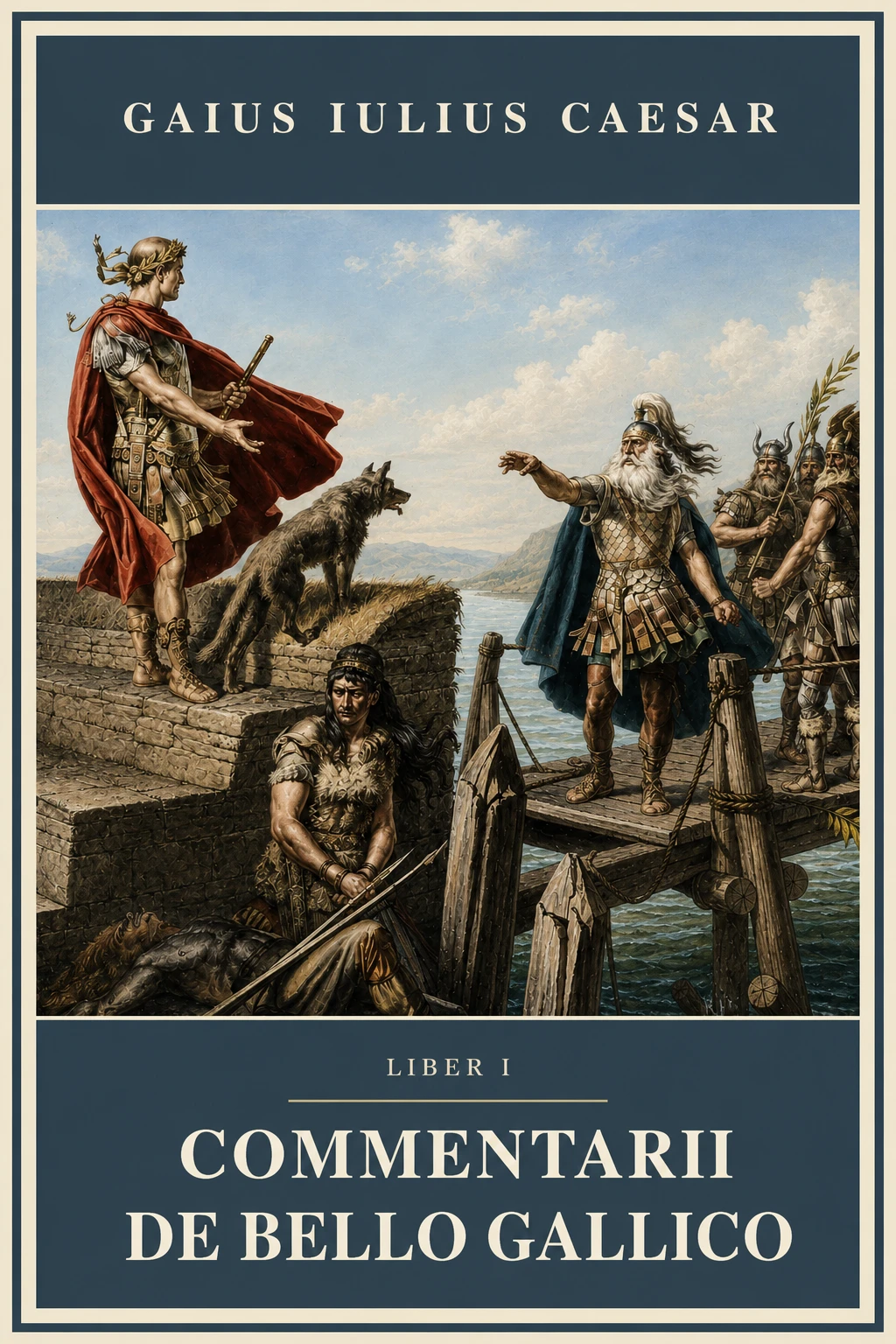
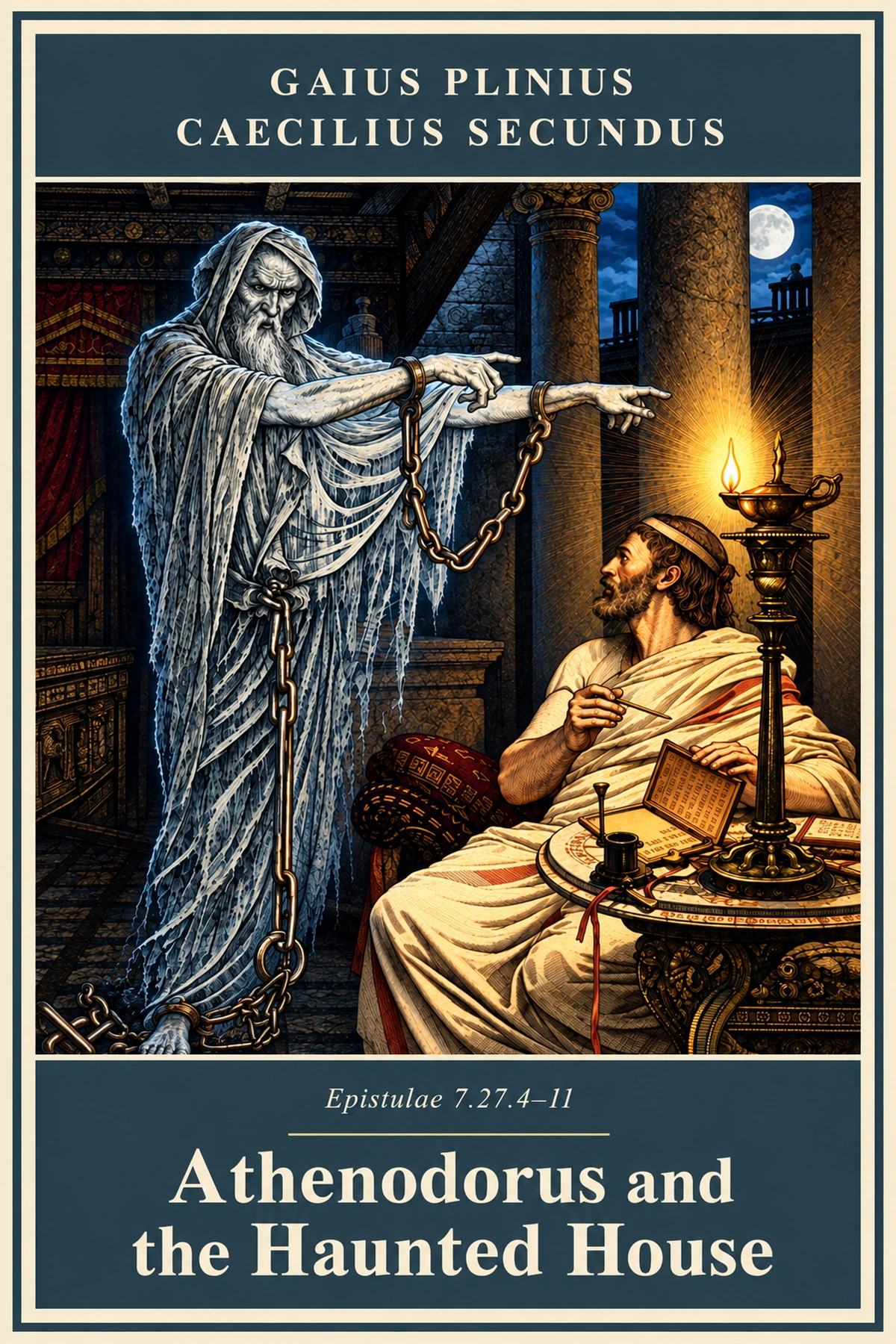
Classical prose: Pliny, Nepos and Caesar.
Step 3

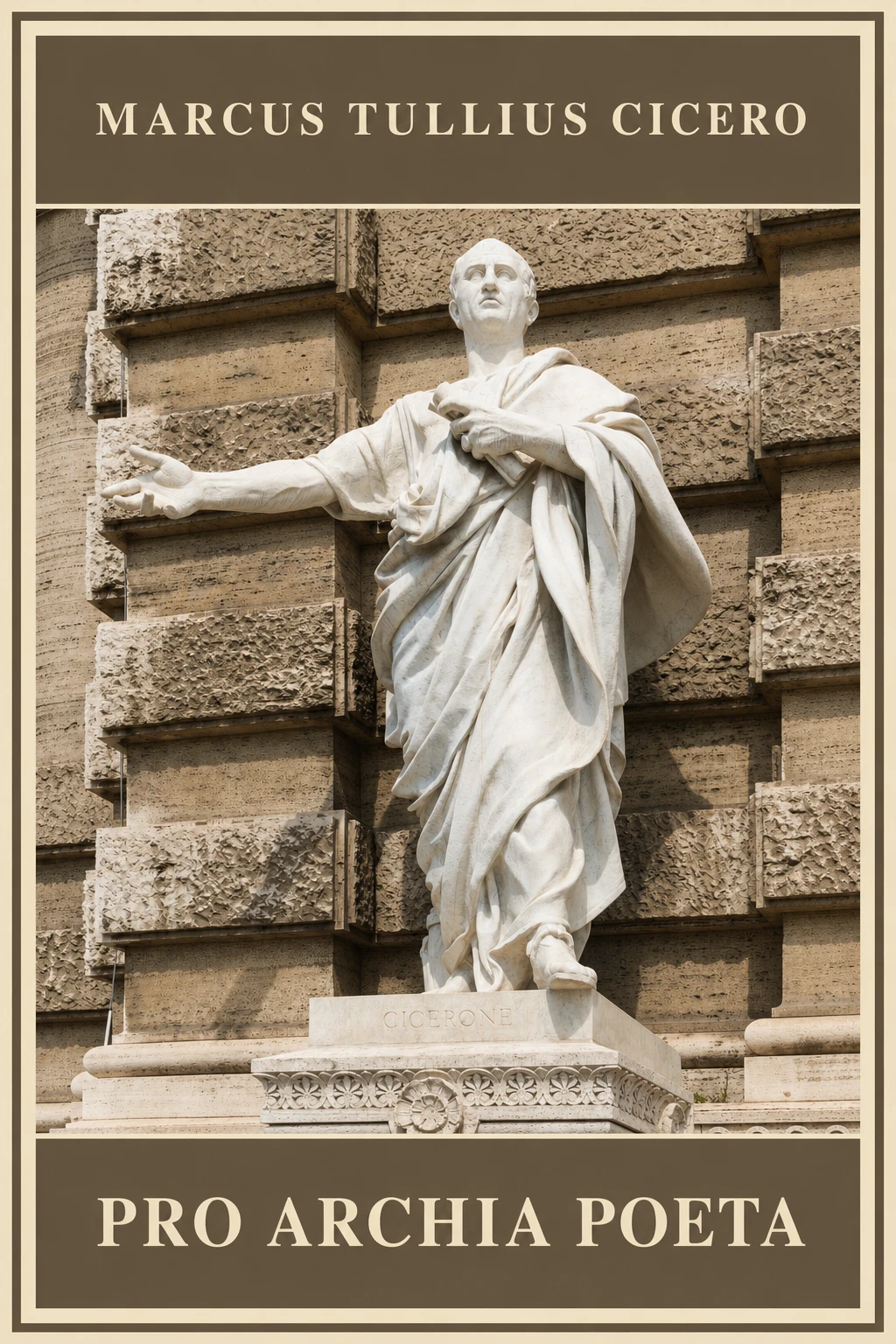
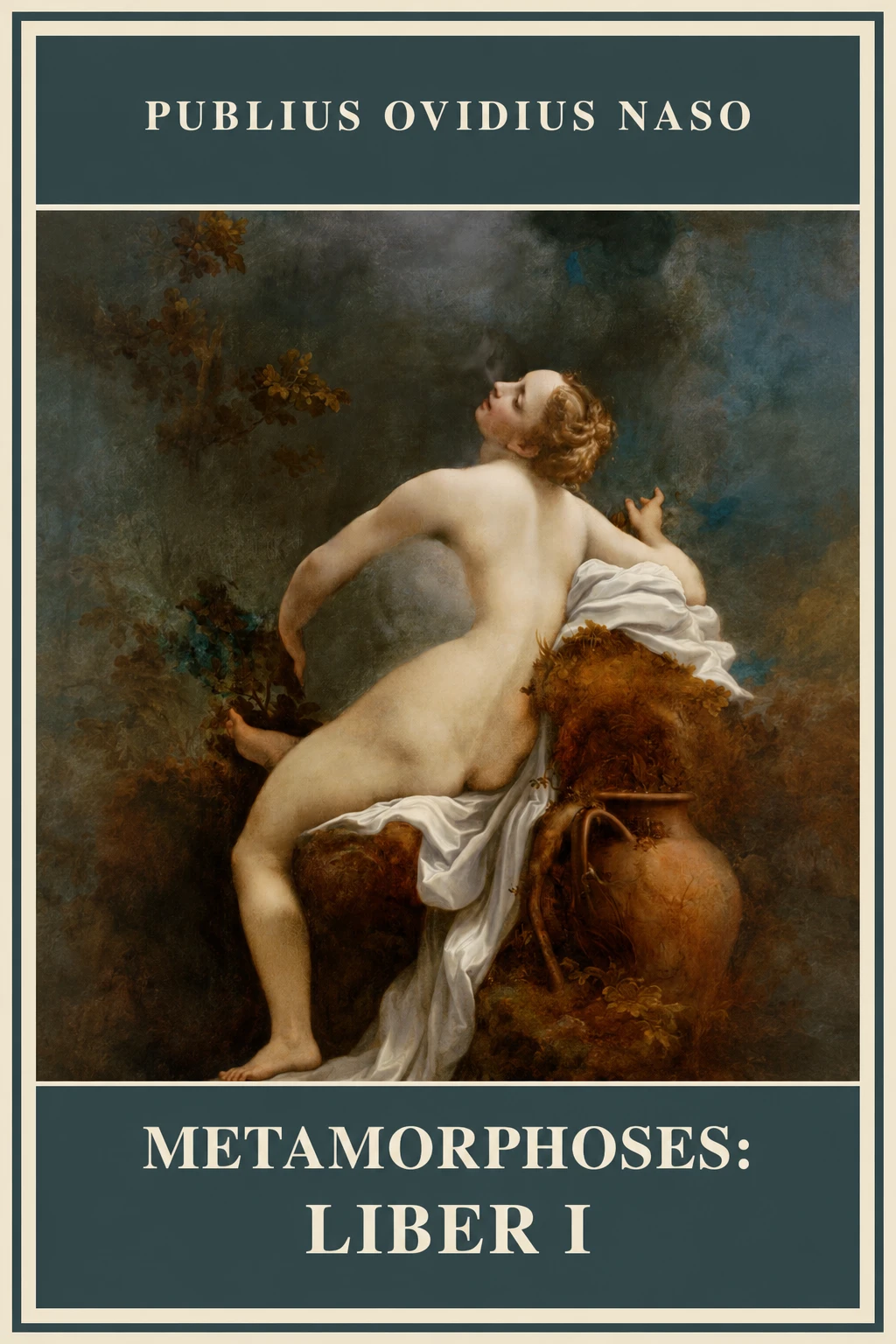
Then the poets and Cicero.
Finished a different course? See what to read after Familia Romana or after the Cambridge Latin Course.

Questions

A few things worth knowing.

Should I go straight to Caesar or Virgil after Wheelock?

You can, but most readers find it slow going. Caesar scores 6.3 on Librorum Capsula’s 1–11 scale and the Aeneid over 9; a few hundred pages of easier Latin first makes them far more enjoyable.

What about Wheelock’s Latin Reader?

Wheelock’s Latin Reader, a separate anthology of selections from Latin literature with notes, was written as the follow-up to the grammar. It is a good choice if you want a printed book. This guide is about texts you can read online with every word defined.

Do I need to review grammar first?

Not before you start. Read, and look up the forms that stop you: the reader gives the lemma and form of every word, so you review exactly the grammar you need, in context.

Your next book is already in the library

Pick something you can keep reading.

Open any book for a preview. A free account keeps your place, shelf, and progress; paid access opens the full catalog when you want to go farther.