The Cambridge Latin Course teaches you to read stories, starting with Caecilius and his household in Pompeii. The best next step is more stories: longer, unadapted, and only a little harder than the last stages of the course, before you take on Caesar, Pliny and the poets.
Where the course leaves you
From adapted stories to real Latin.
The course’s stories are written for you: the vocabulary is controlled and each stage adds a little grammar. Real authors don’t do that, and the first unadapted text can feel like a wall. By our estimate the final stages of the course score around 3 to 4 on Librorum Capsula’s difficulty scale, which runs from about 1 to 11; the first real authors start around 4 to 5. So the gap is real but small, and the right books close it.
Step 1
Longer stories, still a little easier.
Novel10,038 wordsLC 3.4
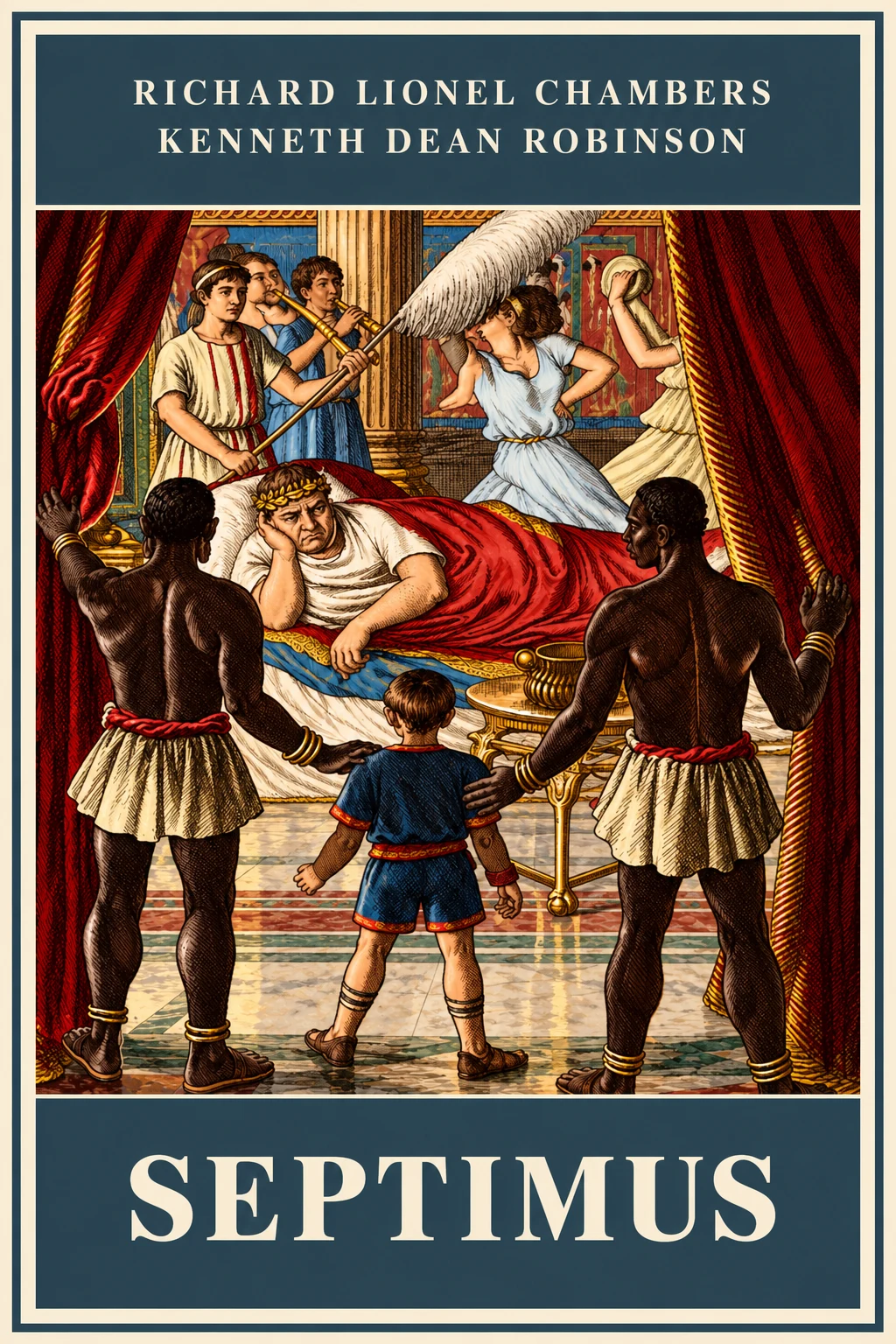
Septimus — R. L. Chambers and K. D. Robinson
A schoolboy walks into Nero’s Rome. Funny, fast, and just past the course. Guide →
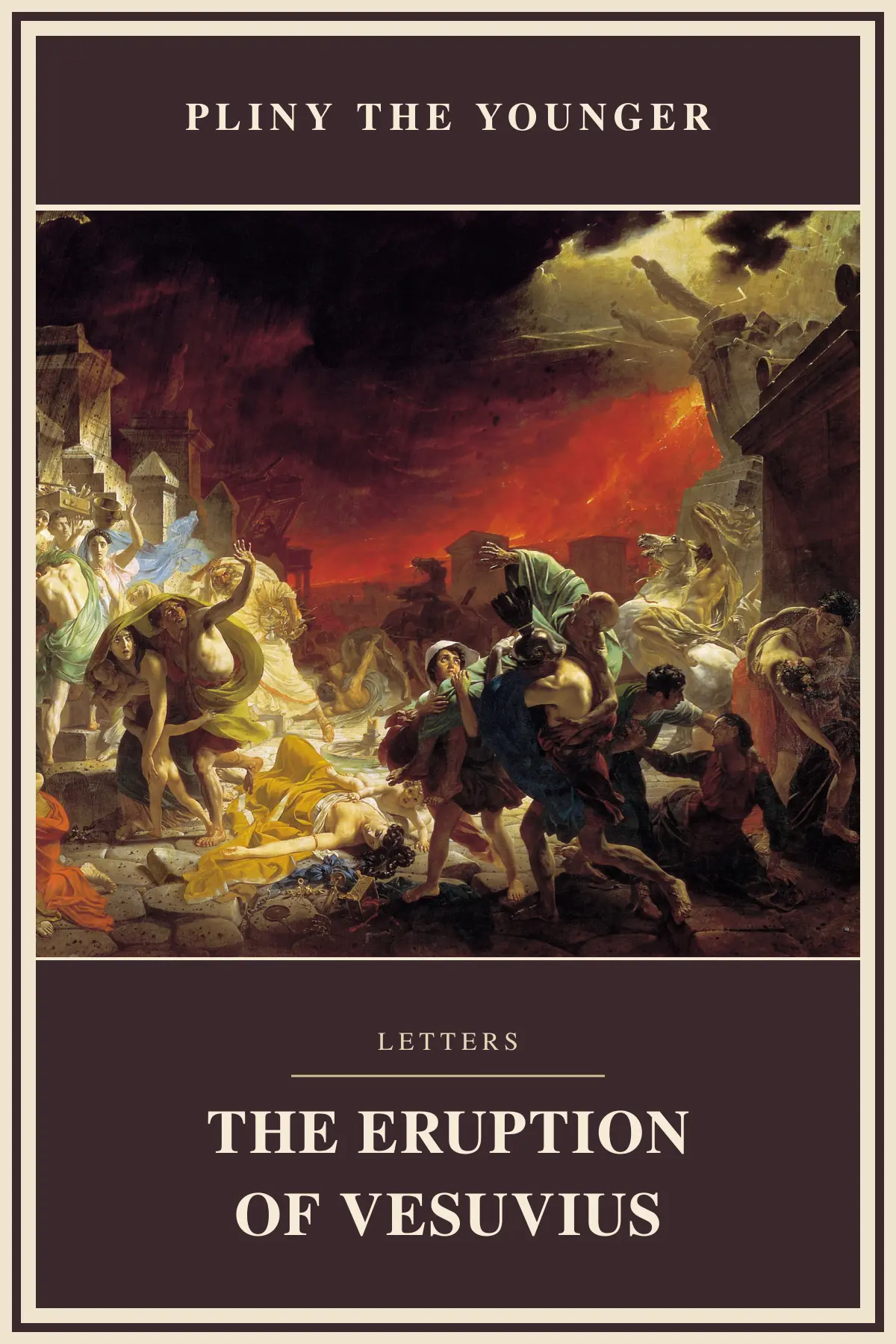
Book I of the course ends with the eruption that destroyed Pompeii. Pliny the Younger watched it from across the bay and described it, and his uncle’s death, in two letters to Tacitus. Reading them in Latin is a good way to close the circle.
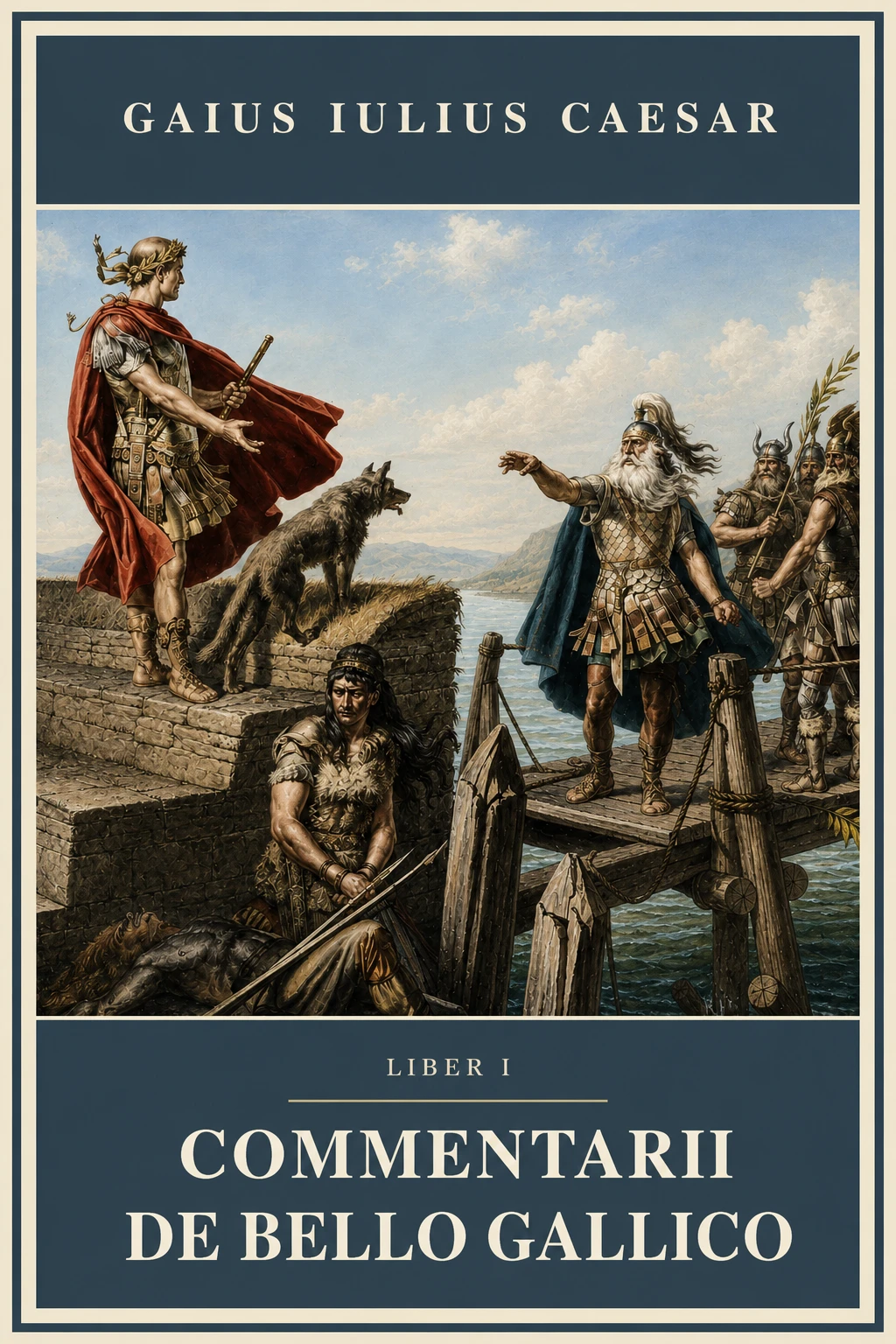
Prose8,172 wordsLC 6.3
Commentarii de Bello Gallico: Liber I — Gaius Iulius Caesar
How hard is the end of the Cambridge Latin Course compared with real authors?
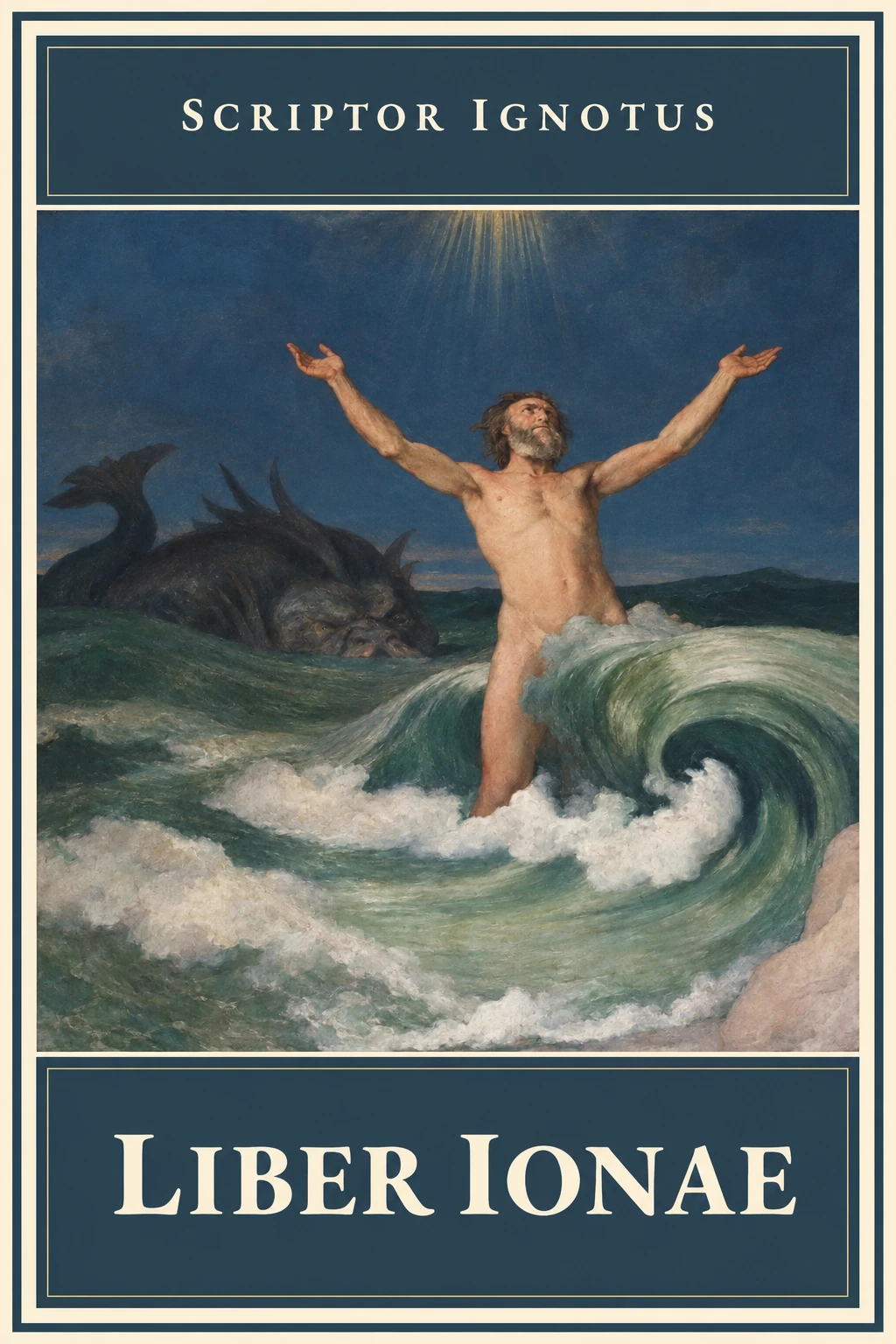
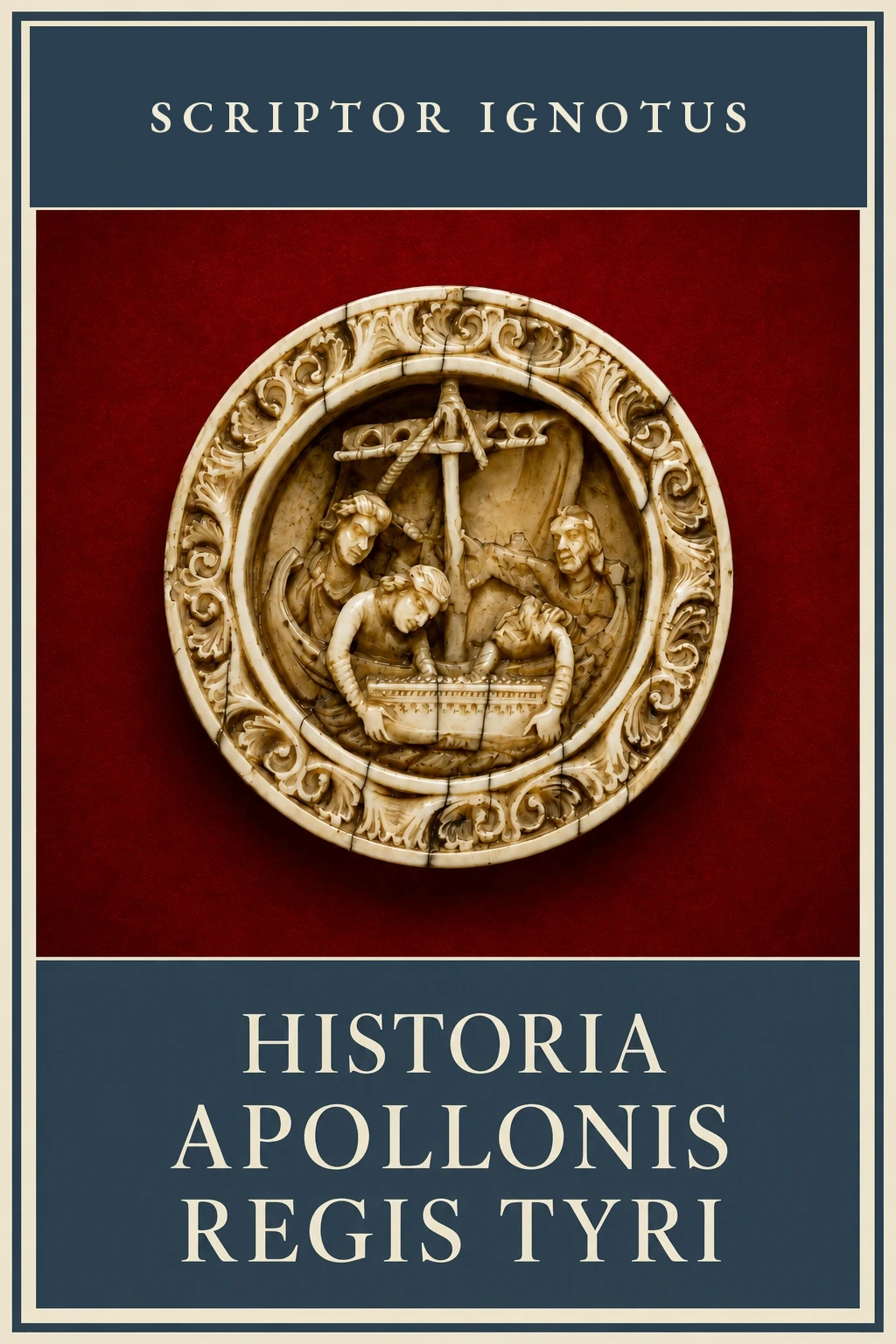
By our estimate, the last stages of the course score around 3 to 4 on Librorum Capsula’s 1–11 scale. Real authors start a little above that: Jonah 3.9, the Historia Apollonii about 5, Caesar 6.3, and Virgil over 9.
Can I read Pliny’s letter about Vesuvius after the course?
Yes, though it is a step up. Pliny’s letters 6.16 and 6.20 describe the eruption that ends Book I of the course; they score 6.7, so read a few easier texts first, or read them slowly with the glosses.
Should I go straight to Caesar?
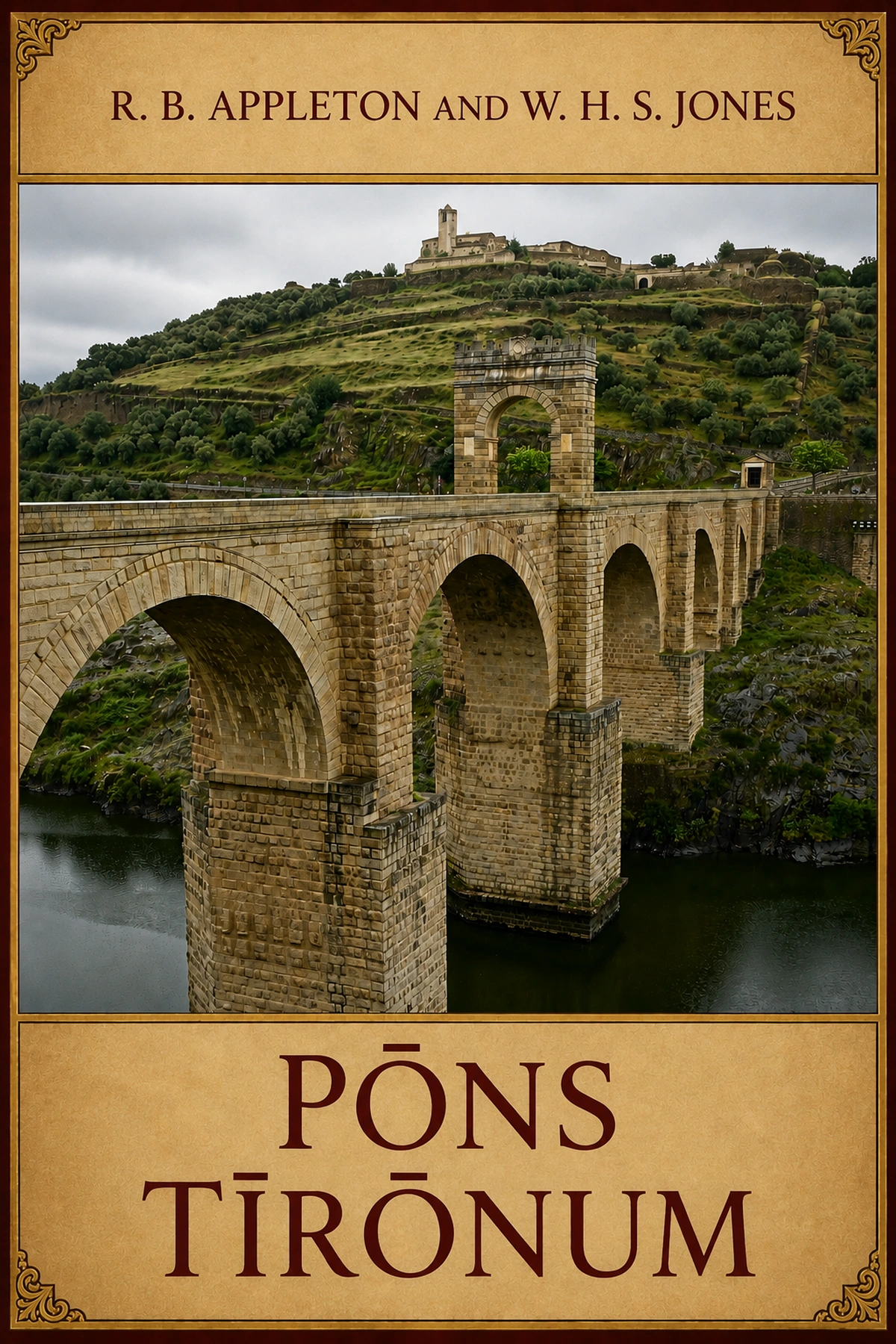
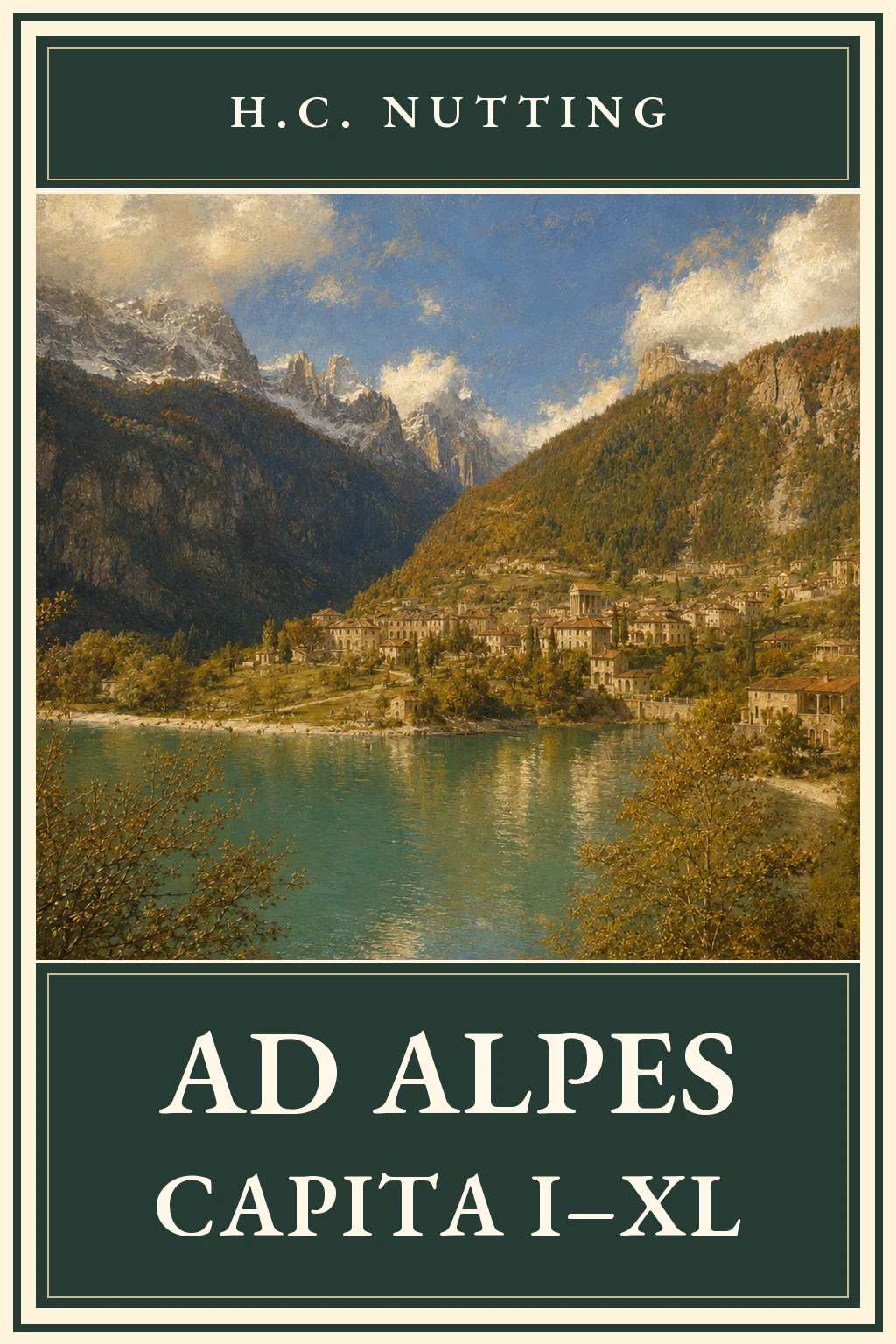
Many school courses do. If Caesar feels slow, an easier authentic text first, like the Historia Apollonii or Ad Alpes, makes the jump much smaller.
Your next book is already in the library
Pick something you can keep reading.
Open any book for a preview. A free account keeps your place, shelf, and progress; paid access opens the full catalog when you want to go farther.